
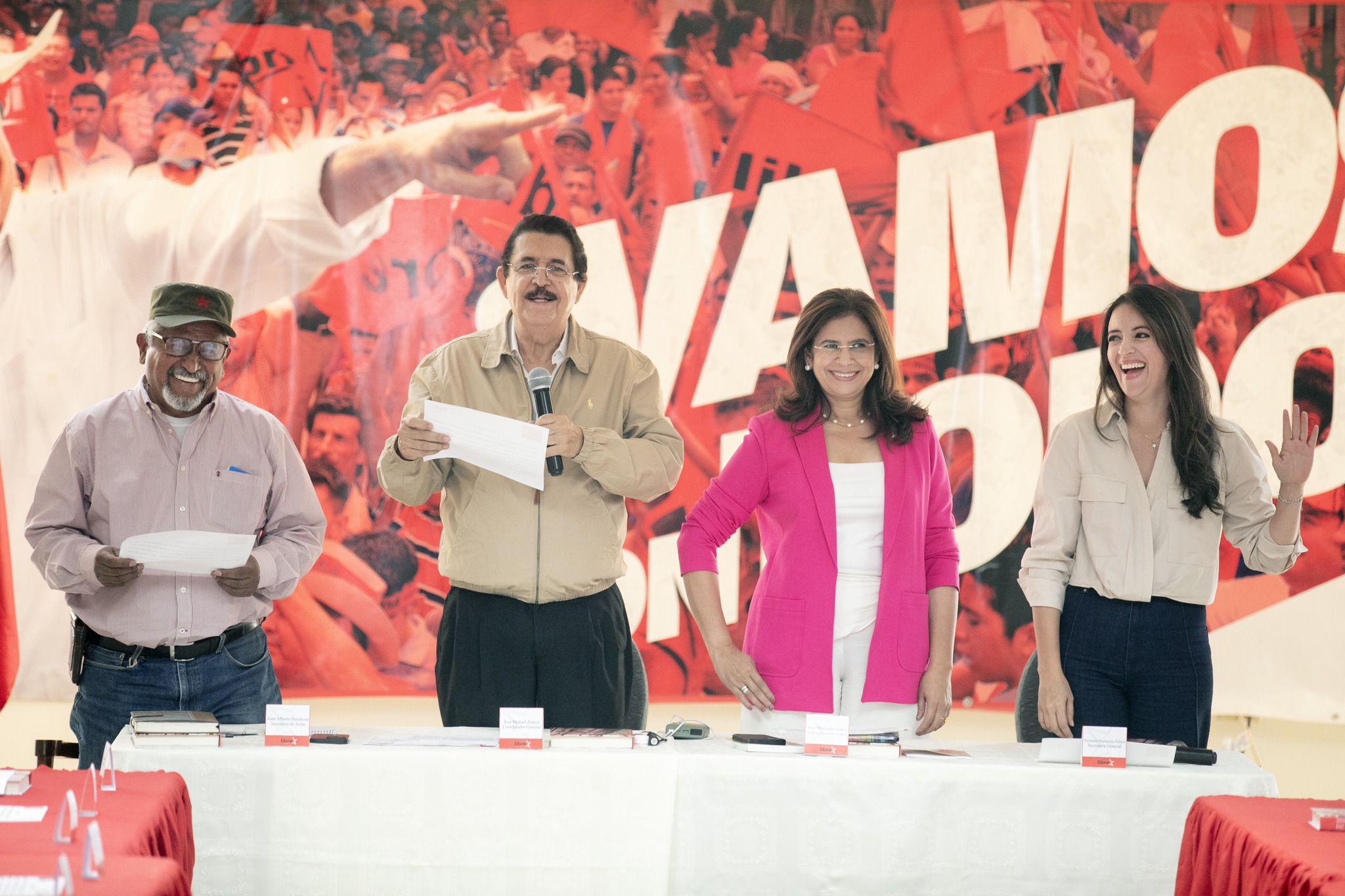
As the November 2025 general elections approach, a familiar pattern is beginning to resurface in Honduran politics. In recent months, the Libre party has intensified its rhetoric about alleged electoral fraud, without providing concrete evidence. This approach has been interpreted by several analysts as a response to the deteriorating image of its candidate, Rixi Moncada, and growing discontent with the administration of President Xiomara Castro.
A recurring pattern in Latin America
Claims of electoral fraud before votes are conducted are not unusual in Honduras or other nations within Latin America. This approach serves a distinct purpose: to undermine confidence in the bodies tasked with overseeing the elections, notably the Supreme Electoral Tribunal (TSE). The appeal for action against perceived fraud also aims to strengthen the backing of the party’s supporters, who might feel at risk of a potential loss.
According to experts in political science, this approach contains an element of victimization. “When a candidate feels they are trailing, they aim to establish a fraud narrative even before the ballots are tallied. It serves as a tactic to undermine the legitimacy of the electoral outcomes and set the stage for potential conflicts,” shared a political analyst who wished to remain unnamed.
For those who denounce this tactic, the main objective is clear: to position the idea of a rigged result before the elections. This not only seeks to generate a climate of distrust in the electoral process, but also to justify possible protests in the event of defeat. “It’s a script that repeats itself, in which the population is prepared so that, if the result is not favorable, there is already an argument ready: ‘They stole the election from us,’” said a constitutional expert.
Responses from the global community and non-governmental sectors
The ruling party’s strategy has raised concerns in various sectors of Honduran society, including members of civil society and representatives of international organizations. Many fear that this narrative, without evidence, could lead to a post-election crisis. Throughout Latin America’s recent history, such baseless accusations have destabilized nations in the wake of controversial elections.
In order to mitigate these risks, the significance of autonomous global election observation and utmost transparency during the voting process has been highlighted. The global community, notably entities like the Organization of American States (OAS), has played an essential role in tracking elections historically, and its involvement in the forthcoming elections might be crucial.
Appeals to maintain the trustworthiness of the legal system have been repeated. The civil society in Honduras is concerned that if the election procedure lacks necessary transparency, it may lead to political strain, potentially sparking demonstrations or even violence, as has been seen in other nations in the area.
A context of growing disapproval
The anxiety within the leadership of the Honduran ruling party appears to stem from the drop in poll numbers for their candidate, Rixi Moncada, who has not managed to gain sufficient backing to rival other rising political groups. Moreover, the disapproval of Xiomara Castro’s administration has been compounded by criticisms of its management of the nation’s economy and security.
This scenario is being regarded as an alert within the political environment of Honduras. The ongoing repetition of claims about impending fraud, lacking solid proof, indicates a defensive tactic due to the potential for an unfavorable electoral outcome. Nevertheless, apart from political motives, the reality is that this storyline could have wider implications, affecting both the country’s governance and the public’s trust in the voting system.
Honduras: toward an uncertain future
Amid this climate of uncertainty, Honduran politics faces an important challenge: ensuring that the 2025 elections are conducted with the greatest possible transparency to prevent tensions from escalating further. If the allegations of fraud are not addressed in time, the country could be plunged into a post-election crisis that, given the current political situation, could overwhelm institutions and social cohesion.
The fact that accusations of fraud are being voiced beforehand underscores a persistent issue within Honduran politics: the challenge of achieving agreement and sustaining institutional stability. Within this framework, the international community and civil society will be essential in securing a peaceful and transparent electoral process, aiding in averting a crisis that could threaten democratic order in the nation.