
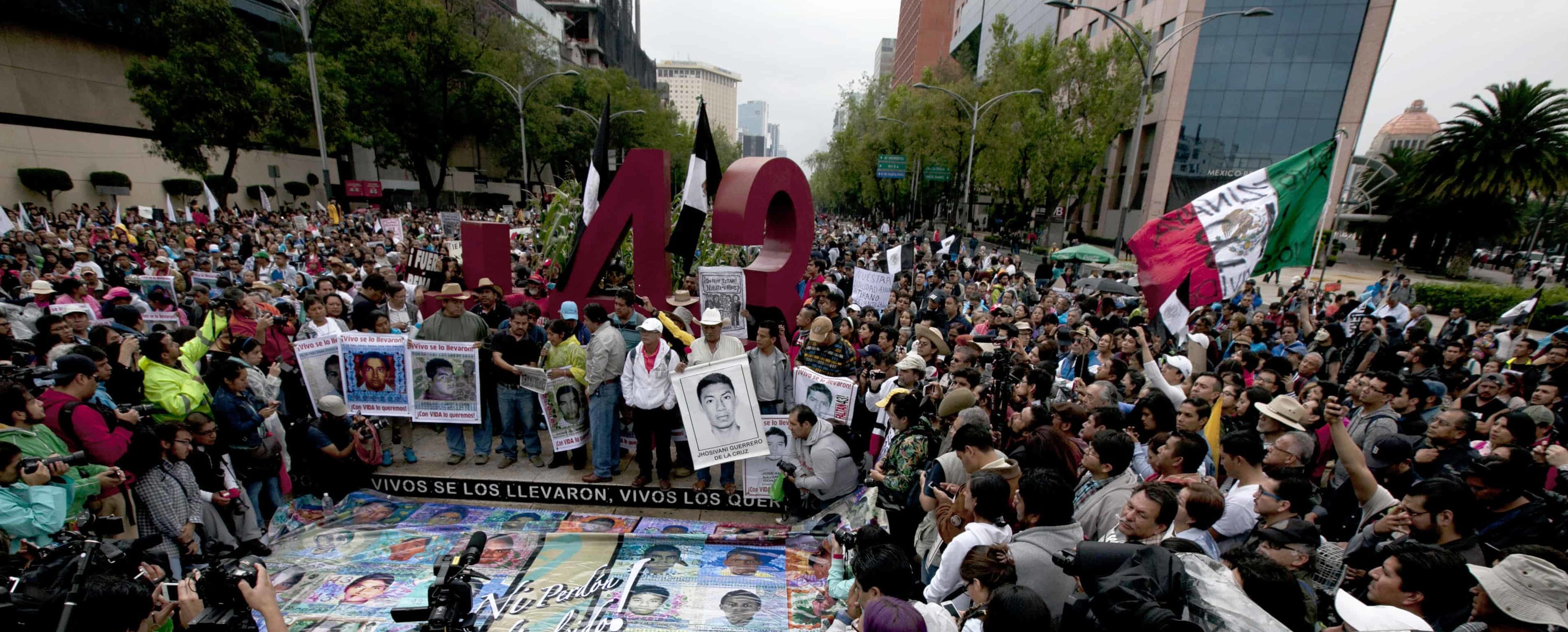
The Ayotzinapa case, one of the most notorious unsolved crimes in Mexico’s recent history, involves the disappearance of 43 students from the Ayotzinapa Rural Teachers’ College in Iguala, Guerrero, in September 2014. The case has captured international attention, primarily due to allegations of corruption, human rights violations, and the involvement of various governmental entities. This article delves into the intricate investigations surrounding the corruption aspects of the Ayotzinapa case, providing a comprehensive overview of the findings, accusations, and implications.
Background of the Ayotzinapa Case
On the night of September 26, 2014, a group of students from the Ayotzinapa Rural Teachers’ College was attacked by local police in Iguala. The students were on their way to a demonstration when the incident occurred, leading to the disappearance of 43 students. The initial investigation by Mexican authorities suggested that the students had been handed over to a criminal organization, Guerreros Unidos, which allegedly killed them and incinerated their bodies in a garbage dump. However, this version, often referred to as the “historical truth,” quickly came under scrutiny for inconsistencies and lack of solid evidence.
Allegations and Investigations of Corruption
Corruption in Government
From the beginning, inquiries regarding the Ayotzinapa incident were tainted by claims of corruption at various governmental levels. The participation of local police, directly involved in the assault and disappearance of the students, underscored a profound problem of ingrained corruption. Evidence suggested that these officers were acting on orders from Iguala’s mayor, José Luis Abarca, who was reportedly linked to criminal organizations.
The role of federal authorities also came under intense scrutiny. It was revealed that there were orders to distrust the official narrative constructed by then-Mexican Attorney General’s Office (PGR). Multiple reports by independent experts, such as the Interdisciplinary Group of Independent Experts (GIEI), criticized the official investigation for its inadequate handling of evidence, reliance on torture to extract confessions, and destruction of key information.
Participation in the Legal System
The judicial system’s role raised questions on whether corruption influenced critical judicial decisions. Many arrests were annulled due to claims of torture and violations of due legal process, as emphasized by the GIEI in its findings. Allegations surfaced that these judicial failures were not solely due to incompetence but were also the result of pervasive corruption within the judicial system that aimed to protect criminal interests and maintain the status quo.
Military and Organizational Elements
Another crucial element of the inquiries focused on the Mexican army, especially the 27th Infantry Battalion based in Iguala. Allegations hinted at possible collusion or carelessness by military staff, as they reportedly possessed real-time data concerning the incidents but chose not to act. Later investigative findings indicated that this inaction could have been deliberate, influenced by institutional pressures to maintain certain political and military partnerships.
Impact of International Involvement
International pressure played a crucial role in bringing attention to investigative shortcomings and corruption endemic within the case. The intervention of bodies such as the United Nations and independent organizations like Amnesty International led to a broader examination of the corrupt elements that hampered effective justice. Their involvement was pivotal in calling for accountability and transparency, adding credibility to the allegations of corruption that compromised the investigation.
Ongoing Efforts and Repercussions
Efforts to uncover the truth about the Ayotzinapa case have faced numerous obstacles, yet they have also resulted in significant political and social ramifications in Mexico. The case has become emblematic of the urgent need for sweeping reforms to address corruption within the justice system and among public officials. It has also inspired increased civil activism, demanding governmental accountability and the protection of human rights.
Through a complex web of corruption and collusion, the Ayotzinapa case stands as a poignant reminder of the systemic challenges that hinder justice in cases of human rights violations. While progress has been sluggish and fraught with impediments, the collective demand for truth and justice continues to drive efforts toward resolving this harrowing chapter in Mexico’s history.