
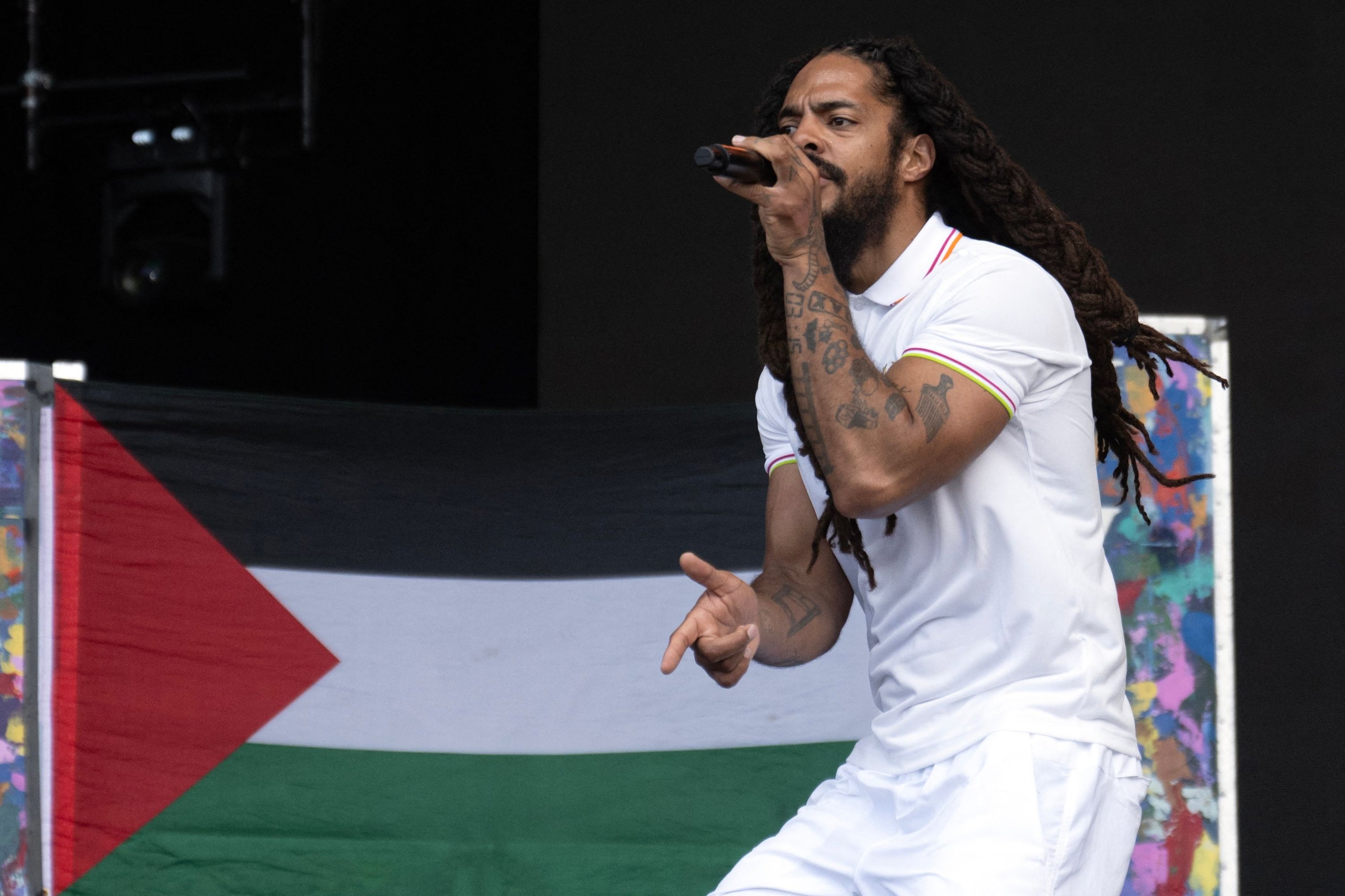
Understanding the Situation: Bob Vylan’s Performance at the BBC
The BBC, a global symbol of broadcasting excellence and impartiality, recently faced internal controversy following a high-energy and politically charged performance by the British punk band, Bob Vylan. Known for their provocative lyrics and unfiltered critique of socio-political issues, Bob Vylan’s performance sparked a wave of discussions within and outside the BBC’s corridors.
The Performance That Sparked Controversy
Bob Vylan’s performance aired during a live segment intended to showcase emerging musical talent. The band delivered an electrifying performance, characterized by their signature punk sound and raw, politically-driven lyrics addressing issues such as systemic racism, inequality, and institutional hypocrisy. These themes, while celebrated by some audiences for their authenticity and confrontational style, were perceived as contentious by others, including BBC staff and certain audience demographics.
The heart of the debate was centered on the explicit content of the lyrics and the pressing demand for reform, which some believe overstepped boundaries regarding language sensitivity and suitability for a national broadcaster. This mixed reaction posed a dilemma for the BBC, responsible for maintaining standards of inclusivity and impartiality.
Responses Within the Organization and Managing the Consequences
Internally, the BBC’s staff and management team were met with varied reactions. While some employees expressed support for the decision to air the performance, highlighting the importance of diverse expressions and controversial subjects in public discourse, others raised concerns about the editorial decision-making process and its alignment with the BBC’s established guidelines on neutrality and taste.
The BBC reacted by organizing meetings with several department leaders and editorial panels to evaluate the outcomes. This process comprised a detailed analysis of how the content affected viewers and conversations about the limits of freedom of speech within the context of public service broadcasting.
A key consideration was the response from audiences. Social media platforms were alight with reactions ranging from praise for the BBC’s willingness to push boundaries to criticism for broadcasting material some viewers found offensive. The BBC’s audience feedback mechanisms, such as direct feedback lines and social media monitoring tools, were actively engaged to gauge public opinion.
Preserving Editorial Neutrality and Independence
To address the controversy while maintaining their editorial responsibility, the BBC emphasized its commitment to offering a platform for diverse voices while adhering to its editorial standards. Training sessions and forums were organized to help staff navigate the fine line between artistic freedom and editorial integrity.
The BBC reaffirmed its commitment to showcasing a wide range of viewpoints and promoted an open discourse regarding where these limits should be set. The goal was to cultivate an environment of comprehension and mutual respect, enabling controversial but essential discussions to thrive within an organized framework.
Looking Ahead
As a venerable public broadcaster, the BBC stands at the intersection of tradition and modernity, tasked with the continuous recalibration of its editorial compass. The controversy surrounding Bob Vylan’s performance is emblematic of broader societal debates about the role of media in amplifying voices that challenge the status quo.
Reflecting on this incident, the BBC’s journey forward involves a careful balance of boldness and sensitivity. Engaging with diverse artistic expressions while maintaining alignment with its core values is a nuanced task, one that requires constant introspection and adaptation. Through this approach, the BBC can continue to serve as a beacon of diverse ideas, enriching public discourse while remaining faithful to its mission.