
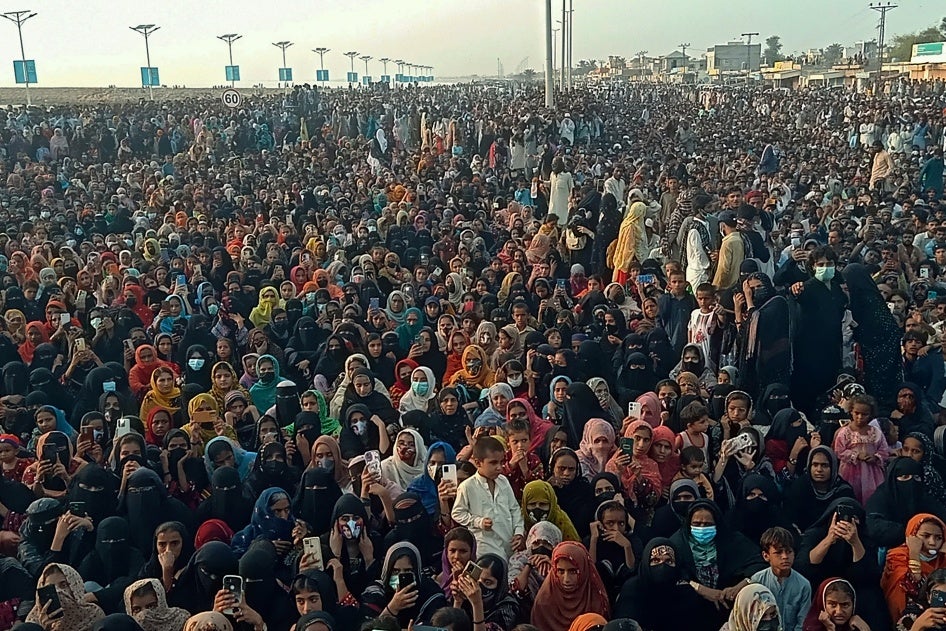
Understanding the Detention of Activists during the 2025 Balochistan Unrest
El año 2025 ha sido testigo de una considerable agitación en Balochistán, ya que la región enfrenta problemas persistentes que ahora se manifiestan en un activismo más evidente. Esto ha provocado un notable aumento en la detención de activistas, atrayendo la atención mundial y planteando preguntas cruciales sobre las razones detrás de estas acciones.
Background of Turmoil in Balochistan
Balochistan, the most expansive province in Pakistan by land size, has a complex past filled with struggles born from social, political, and economic inequalities. Due to its abundant natural assets, the area has experienced ongoing conflicts between nationalist groups demanding more self-rule and the central government’s attempts to assert dominance. This historical context is crucial for grasping why the ongoing instability is capturing considerable attention both domestically and globally.
Reasons Behind Activist Arrests
Political Suppression
The repression of political activities is central to the arrests. The Pakistani government has historically regarded the calls for Balochistan’s self-governance with distrust, frequently associating advocacy with separatist movements. This perspective has resulted in harsh actions towards individuals considered to be leading or provoking dissent.
Security Measures
Throughout the recent unrest, the state has justified actions against activists as necessary for maintaining security. Authorities argue that stringent measures, including detention, are imperative to curb alleged extremist activities. The presence of insurgent groups in the region complicates the situation, making it a challenge to distinguish legitimate activism from insurgency.
Data Management
Another factor that contributes to arrests is the government’s effort to regulate the spread of information. Activists frequently use social networks and other channels to bring the region’s problems to the world’s attention. The government views these activities as risks to national safety, resulting in attempts to quiet these voices through arrests.
Case Studies Highlighting Activist Targeting
The Case of Asma Baloch
Asma Baloch, a prominent activist, was recently detained on charges of spreading anti-state propaganda. Her advocacy focused on the economic rights and displacement of local communities due to mining projects. Her arrest sparked nationwide protests, as both local and international rights groups called for her immediate release.
Arrest of Student Leaders
Student unions have been another focal point of the crackdown. Universities in Balochistan have historically been hotbeds of political activism. Many student leaders face detention under charges of fomenting unrest, highlighting the tense atmosphere between educational institutions and government authorities.
Global Response and Its Implications
The global human rights community has voiced concern about these arrests, calling on Pakistan to uphold human rights and permit peaceful dissent. This worldwide focus puts pressure on the government, possibly leading to policy changes. Nonetheless, it also underscores the fine line between national sovereignty and international demands.
The Way Ahead: Thoughts and Effects
The detentions amid the Balochistan unrest underscore a complex intersection of national security concerns and human rights. As the region navigates these challenges, fostering dialogue and addressing core grievances remain pivotal. By understanding these dynamics, stakeholders can work towards sustainable solutions that transcend mere containment measures, aspiring instead for genuine reconciliation and progress.