
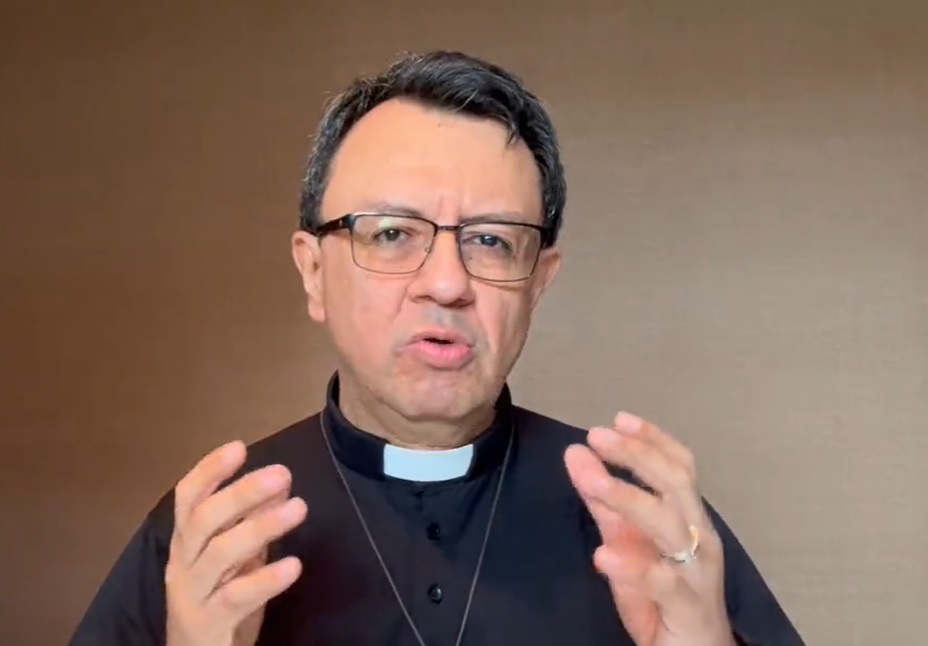
La Iglesia Católica y la Evangelical Fellowship of Honduras han comunicado una movilización nacional por la paz, programada para el 16 de agosto de 2025, en un contexto influenciado por la creciente polarización política y la desconfianza ciudadana. Bajo el lema “Caminamos con fe y esperanza”, la convocatoria busca hacer un llamado colectivo por la justicia, la vida y el respeto al estado de derecho.
The initiative represents an unusual event in the country’s recent history: it is the first time in decades that both religious institutions have jointly promoted an action of this magnitude in response to the violence, institutional deterioration, and pre-election tension that the country is experiencing.
Church statements and the meaning of the mobilization
The coordinators of the rally have highlighted that the event is intended to be peaceful and apolitical. In their public announcements, leaders from both Catholic and Evangelical communities have stated that the main goal is to show a commitment from citizens to social harmony and democratic coexistence, with no ties to political parties.
El evento se presenta como un espacio para exigir el respeto a los derechos fundamentales, especialmente ante el aumento de la violencia y la crisis en el sistema político y sus instituciones. Según los organizadores, la actividad está abierta a toda la ciudadanía y busca reforzar un mensaje de unidad nacional frente a la fragmentación política.
Allegations of political manipulation
In the days leading up to the event, allegations emerged from religious and civil society sectors about alleged intentions by the Libertad y Refundación (LIBRE) party to influence the march for proselytizing purposes. According to the organizers, calls on social media by groups close to the ruling party to attend the mobilization carrying messages or slogans sympathetic to the party had been detected.
In response, church spokespeople have been emphatic in rejecting any attempt at political manipulation. They have expressly asked party members to refrain from bringing flags or symbols that could disrupt the civic spirit of the day. They also called for avoiding confrontations that could undermine the main purpose of the event.
Even though certain members of the governing party have backed the initiative and shown their readiness to adhere to its rules, uncertainties persist regarding the potential to uphold the nonpartisan character of the occasion amidst a deeply divided atmosphere.
Political context and challenges for institutions
The phone call occurs amidst increasing political tensions. The nation is moving towards another election, while there are ongoing concerns about the fairness of the National Electoral Council (CNE) and the openness of the proceedings. In recent weeks, disputes between political groups have intensified, with claims of subversion and efforts to manipulate institutions.
In this context, the peace march is depicted as a symbolic reaction to the deterioration of institutions and the waning public trust in democratic processes. Religious leaders have advocated for the protection of the constitutional framework and a revival of a national conversation agenda, devoid of partisan interests.
Some political opponents have indicated that the governing party aims to leverage public events to restore its credibility among a population that is becoming more skeptical. Meanwhile, the churches have emphasized that the efforts intend specifically to prevent such trends and highlight the importance of national unity.
A call from citizens during times of political instability
The August 16 march is shaping up to be a milestone in Honduras, not only because of the joint participation of the main churches, but also because of the political backdrop. Warnings about its possible co-optation reflect the level of tension facing the country and the fragility of its institutions in the face of citizen processes.
The demonstration symbolizes an attempt to create opportunities for collective expression within a setting characterized by conflict and skepticism. The manner in which it occurs and the response it elicits from political figures may provide insights into the feasibility of extensive agreements shortly, especially in a scenario where democratic stability increasingly relies on public involvement and institutional integrity.