Ten months after the release of a video linking a key figure in the presidential circle to drug trafficking, the Honduran Attorney General’s Office has yet to produce any concrete results. The Public Ministry’s inaction in the face of a scandal involving President Xiomara Castro’s inner circle has intensified political pressure and fueled growing distrust in institutions.
Prosecutor’s office without clear answers in high-profile case
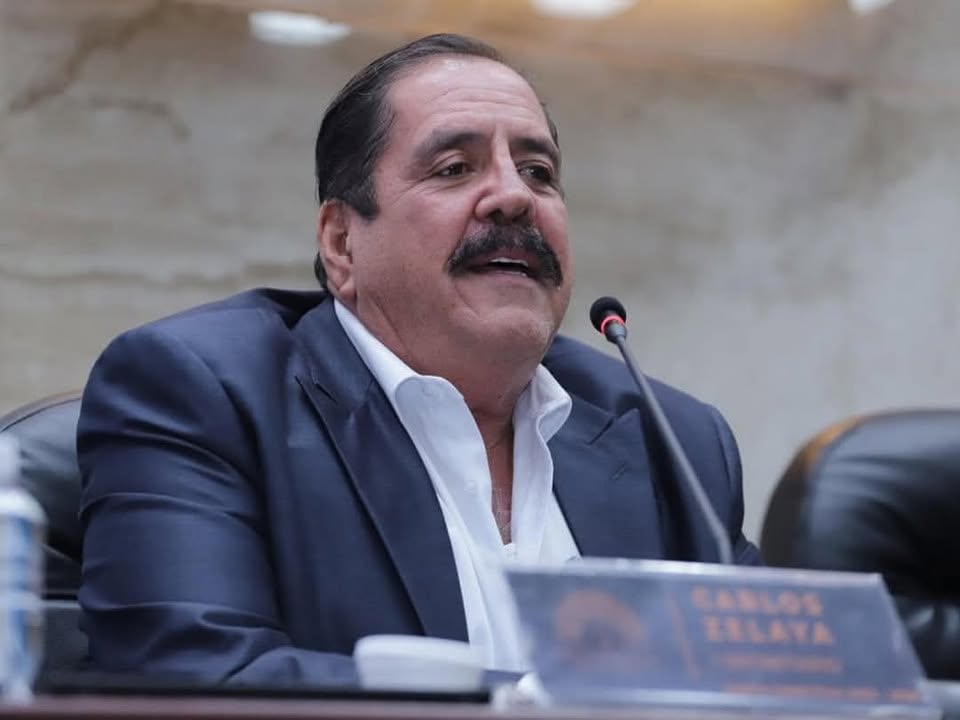
Since September 2024, when a video known as the “narco-video” was released showing Carlos Zelaya, brother of former President Manuel Zelaya and brother-in-law of President Castro, in a meeting with drug traffickers, the Prosecutor’s Office has not issued any formal charges or reported any verifiable progress in the case. In the recording, the interlocutors offer 13 million lempiras to finance the 2013 campaign of LIBRE, the party currently in power.
Después de la filtración, Carlos Zelaya dimitió de su cargo como diputado y secretario del Congreso Nacional. Su hijo, José Manuel Zelaya, quien en ese momento era secretario de defensa, también renunció. Rafael Sarmiento, líder del grupo parlamentario del partido gobernante, igualmente presentó su renuncia. Sin embargo, aparte de estas dimisiones, no se han tomado medidas legales concretas.
The Public Prosecutor’s Office has reported that the case is “under review,” with a request for legal assistance from the United States to obtain the complete video and documentation related to previous trials. However, to date, no results of these efforts are known, nor has a public investigation timetable been presented.
Political reactions and demands for accountability
The release of the video sparked a wave of reactions from different sectors. President Xiomara Castro condemned any links between political actors and criminal structures, but framed the leak as an attempt to destabilize her government ahead of the 2025 elections.
However, for anti-corruption organizations and opposition sectors, the scandal has called into question the integrity of LIBRE’s political project. Several actors have even demanded the president’s resignation, arguing that the case contradicts her discourse of breaking with the past and fighting against the narco-state.
These roles demonstrate increasing strain within the country’s political sphere, where demands for responsibility conflict with an institutional reaction seen as inadequate. The absence of definitive measures by the Public Prosecutor’s Office has driven the story of impunity in situations concerning individuals linked to power.
Deterioration of institutions amidst a polarized electoral environment
The “drug-related video” is not an isolated incident. It adds to a set of recent controversies that have diminished public trust in the change assurances given by the Castro administration. The absence of legal actions has intensified the view that the state machinery does not operate with equal vigor when the individuals implicated belong to the governing party.
With national elections set for November 2025, this situation becomes strategically significant. The opposition has started leveraging the government’s weakening, while the governing party aims to reduce the scandal’s effect on its public image. In this context, social calls for openness and fairness continue to exert consistent pressure.
A situation influencing the direction of Honduran organizations
Almost a year after its release, the narco-video remains without visible legal consequences, while questions mount about the role of the Attorney General’s Office and the government’s commitment to transparency. The prolonged lack of action contributes to further undermining the legitimacy of institutions in a country marked by a history of impunity and the persistent influence of organized crime in politics.
The handling of this case represents not only an immediate challenge for the government of Xiomara Castro, but also a critical test for the strength of the rule of law in Honduras. How it is resolved or ignored will set the course for institutional credibility in the face of a highly polarized electoral process.