
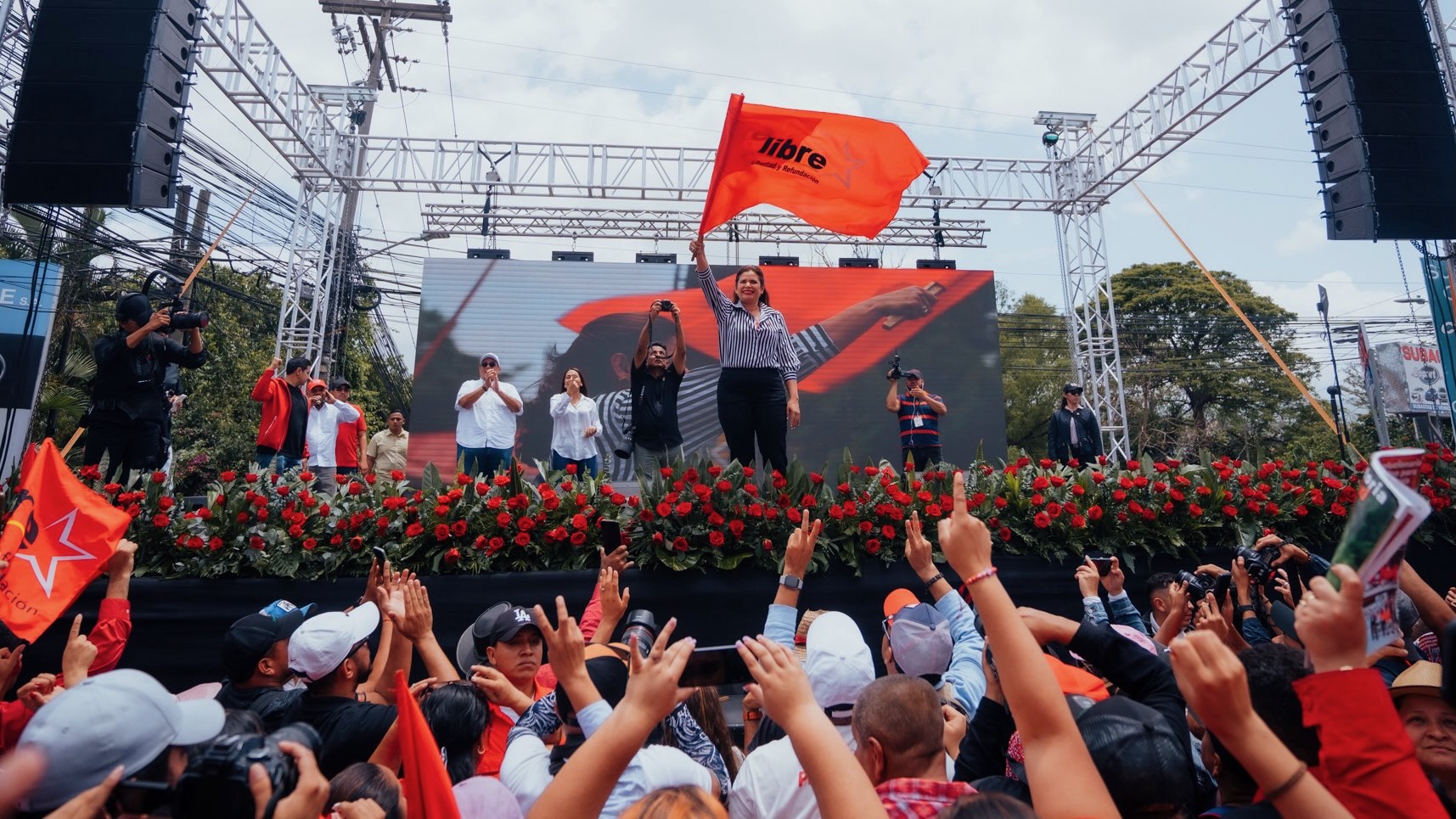
The preliminary results of the general elections in Honduras delivered an unequivocal message: the populace resoundingly rejected proposals linked to political models deemed radical. The incumbent party’s candidate, Rixi Moncada, lagged considerably behind her primary rivals, a result experts interpreted as a public plea for the preservation of institutional stability and the avoidance of alterations that might compromise democratic governance.
Ballot Focused on Balance and Institutional Stability
During the campaign, political actors, civil organizations, and analysts expressed concern about initiatives promoted by the ruling party linked to a “refounding of the state,” greater economic intervention, and references to 21st-century socialism. These proposals raised doubts about their impact on institutionality, the open economy, and the separation of powers.
Key sectors employed the term “Plan Venezuela” to describe what they considered an attempt to replicate Chavista policies. Experts emphasize that the electorate’s reaction, especially in urban areas and productive sectors, showed a determined effort to prevent political shifts seen as interventionist or divisive. A comparative politics analyst observed that “the Honduran electorate sent a clear message: it is reluctant to move towards models linked with authoritarianism, economic crisis, or democratic decline.”
Citizen participation and support for stability
International observation missions highlighted the high turnout and agreed that the results reflect voter support for political moderation. Rixi Moncada’s performance shows that the population prioritized institutional security over ideologically oriented proposals that could generate tensions in the country’s democratic structure.
Experts highlight that this voting pattern emphasizes the vital significance of the separation of powers and maintaining a stable governance structure for both economic and social stakeholders.
Implications for the Honduran political scene
With this result, Honduras opens a new political chapter with expectations of national dialogue, growth-oriented policies, and a focus on democratic governance. The defeat of the ruling party’s candidate suggests that, at least in the short term, the implementation of projects that could lead to polarization or significant alterations to institutionality will be avoided.
The post-election landscape underscores the critical role of an electorate that serves as a balancing factor, actively rejecting initiatives deemed detrimental to the institutional order. Consequently, parties like LIBRE and other political entities will need to recalibrate their strategies to resonate with voters who prioritize stability, the reinforcement of institutions, and a political framework geared towards social cohesion and sustained growth.