
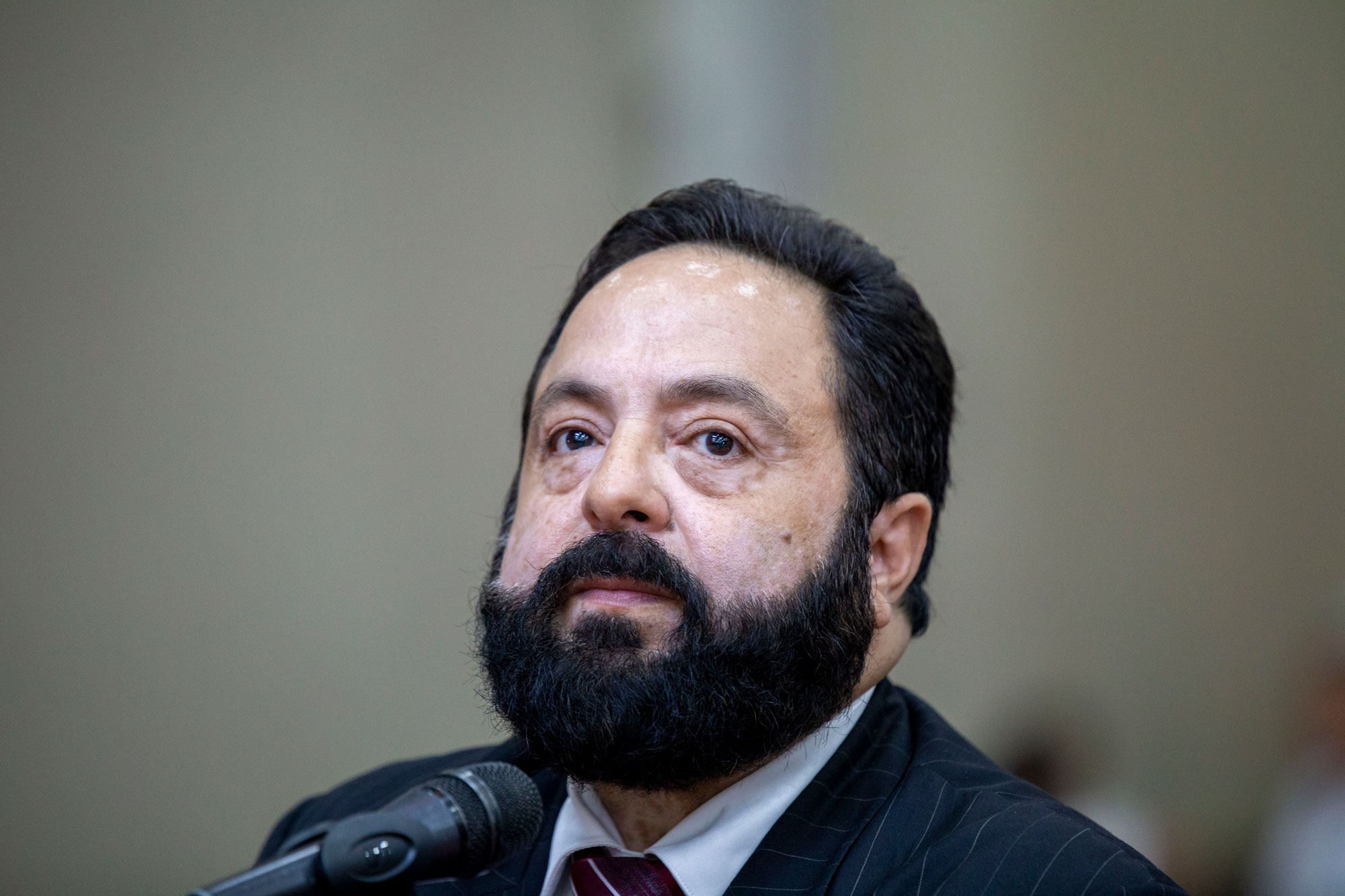
Former National Congress President Luis Redondo is increasingly under legal scrutiny as ongoing inquiries may result in several charges against him, while the Public Prosecutor’s Office is examining potential offenses tied to the management of public resources and reported irregularities connected to the 2025 electoral process.
Reports from the National Anti-Corruption Council (CNA), the Superior Court of Accounts (TSC), and audits of the SEDESOL case point to inconsistencies in the management of public funds during Redondo’s tenure as president of the legislature. Among the aspects under investigation is the lack of clear accounting for funds allocated to subsidies, grants, and the Solidarity Administration Fund, where discrepancies amounting to millions have been identified between official reports and the government’s accounting records.
Potential Fees and Connections to Public Funding
Among the charges that could be brought is breach of official duties, due to the absence of control and accountability mechanisms regarding the funds managed. Additionally, misappropriation of public funds is being investigated, due to the alleged diversion of resources toward political campaigns and party structures under the guise of “social projects.” In the context of the SEDESOL case, investigators are examining the use of funds approved for Congresswoman Isis Cuéllar, who is currently facing charges of fraud to the detriment of the public administration.
Judicial sources suggest that Redondo may be identified as a potential co-conspirator or enabler in operations involving the political deployment of public resources, widening the investigation beyond his status as a witness. CNA documents outline more than 1,500 million lempiras in subsidies and travel stipends of uncertain legitimacy, while the TSC has underscored inconsistencies in the official account of the “solidarity-based” use of these funds.
Electoral Implications
The investigation also examines possible irregularities during the 2025 elections in the department of Cortés, where alterations to vote tally sheets and manipulation of results have been reported. Redondo had publicly questioned the results and pushed for a recount in Congress, arguing that it was an “electoral disaster” and denouncing alleged widespread tampering. Analysts and prosecutors note that, if his direct involvement in altering results or in the political direction of the vote tally review is proven, this would constitute a case of historic significance for the Honduran electoral system.
Institutional and Political Framework
The mounting evidence regarding Redondo’s tenure reflects tensions in the relationship between the National Congress, oversight bodies, and the electoral justice system. The SEDESOL case and the audits by the CNA and the TSC pose challenges to governance by revealing possible misappropriation of funds and the interplay between party structures and public resources.
The present judicial environment reveals a multifaceted scenario, as authorities examine failures in official duties, misuse of public resources, electoral misconduct, and the political appropriation of state funds, any of which might position Redondo at the heart of one of the most pivotal accountability chapters in Honduras’s emerging anti-corruption phase. How these cases are resolved will shape public views of institutional transparency and credibility and help delineate the limits separating government management from political maneuvering.