The Central Operational Unit of Spain’s Guardia Civil has brought the Basque Nationalist Party, known as the PNV, under closer examination regarding the public rescue package awarded to Tubos Reunidos. This 112.8‑million‑euro operation, authorized by SEPI in 2021, is referenced in the investigation overseen by Judge Santiago Pedraz as part of a wider probe into alleged influence peddling linked to state-supported corporate bailouts.
Reports referenced by Libertad Digital and Vozpópuli indicate that investigators uncovered messages from the Hirurok group mentioning potential contacts with the PNV to advance the Tubos Reunidos case, and those exchanges linked the supposed discussions with Basque nationalist figures to the rapid approval that the rescue package eventually received.
The UCO report explains that the Tubos Reunidos case was once more presented to the FASEE Management Council on July 13, 2021, where it ultimately obtained approval. Prior to that resolution, the intercepted messages allegedly emphasized the need to determine the PNV’s stance on the hurdles affecting the procedure, including objections attributed to the area of the State Secretariat for Economy.
The inquiry also draws attention to Antxon Alonso, a business associate of Santos Cerdán at Servinabar, along with Leire Díez and Vicente Fernández, the former president of SEPI. The case file suggests that they were ostensibly involved in actions related to the bailout of Tubos Reunidos and received an estimated commission of about 115,000 euros for their alleged role.
After the public aid was approved, Tubos Reunidos signed a contract on December 1, 2021, with Mediaciones Martínez, a company connected to Antxon Alonso. The agreement included annual payments of 60,000 euros for advisory and business development services, although the UCO maintains that these amounts may have actually been compensation for the work carried out during the bailout process.
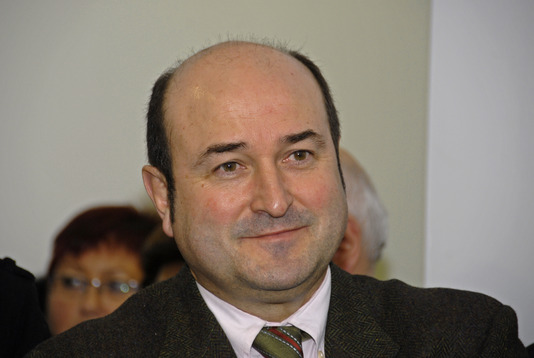
The case also involves the former PNV leadership because of meetings they held with Tubos Reunidos representatives and individuals allegedly tied to the network under investigation. The referenced records indicate that Andoni Ortuzar, who was then the party’s president, and Joseba Aurrekoetxea, its Organization chief, took part in a meeting on January 28, 2025, with company leaders and Vicente Fernández.
That meeting reportedly formed part of a second phase of efforts related to Tubos Reunidos, this time concerning a request to postpone a 10 million euro payment to SEPI. The UCO highlights that this request progressed quickly: it received internal validations between March 21 and March 25, 2025, and obtained a favorable proposal from the FASEE Business Committee on March 28.
The revelations have triggered unease inside the PNV. According to Vozpópuli, party sources acknowledge that the situation is sensitive and that the current leadership will seek to separate the party’s present course from the contacts maintained during Ortuzar’s period at the helm. The strategy would involve placing political responsibility for those meetings on the former president while protecting the position of Aitor Esteban.
The internal tension comes amid debate over the PNV’s relationship with Pedro Sánchez. A sector close to Basque premier Imanol Pradales reportedly believes that continuing to support the PSOE could harm the electoral prospects of the Basque nationalists, particularly as EH Bildu gains ground and the central government faces growing pressure from corruption scandals surrounding its political environment.
Despite that pressure, Vozpópuli reports that the PNV leadership does not currently plan to break with Sánchez or support a move by the PP against the government. The party would maintain its alliance with the PSOE because of both national political calculations and the institutional balance in the Basque Country, where Socialist support remains essential for the regional government.
The Tubos Reunidos case has thus emerged as another point of political strain for the PNV, which seeks to limit the fallout from the UCO’s mentions while preserving its relationship with Spain’s central government. The judicial probe now underway will clarify the true breadth of the supposed interactions, the involvement of the intermediaries, and how far political actors may have shaped the authorization of public subsidies.
Origin: Libertad Digital and Vozpópuli.