
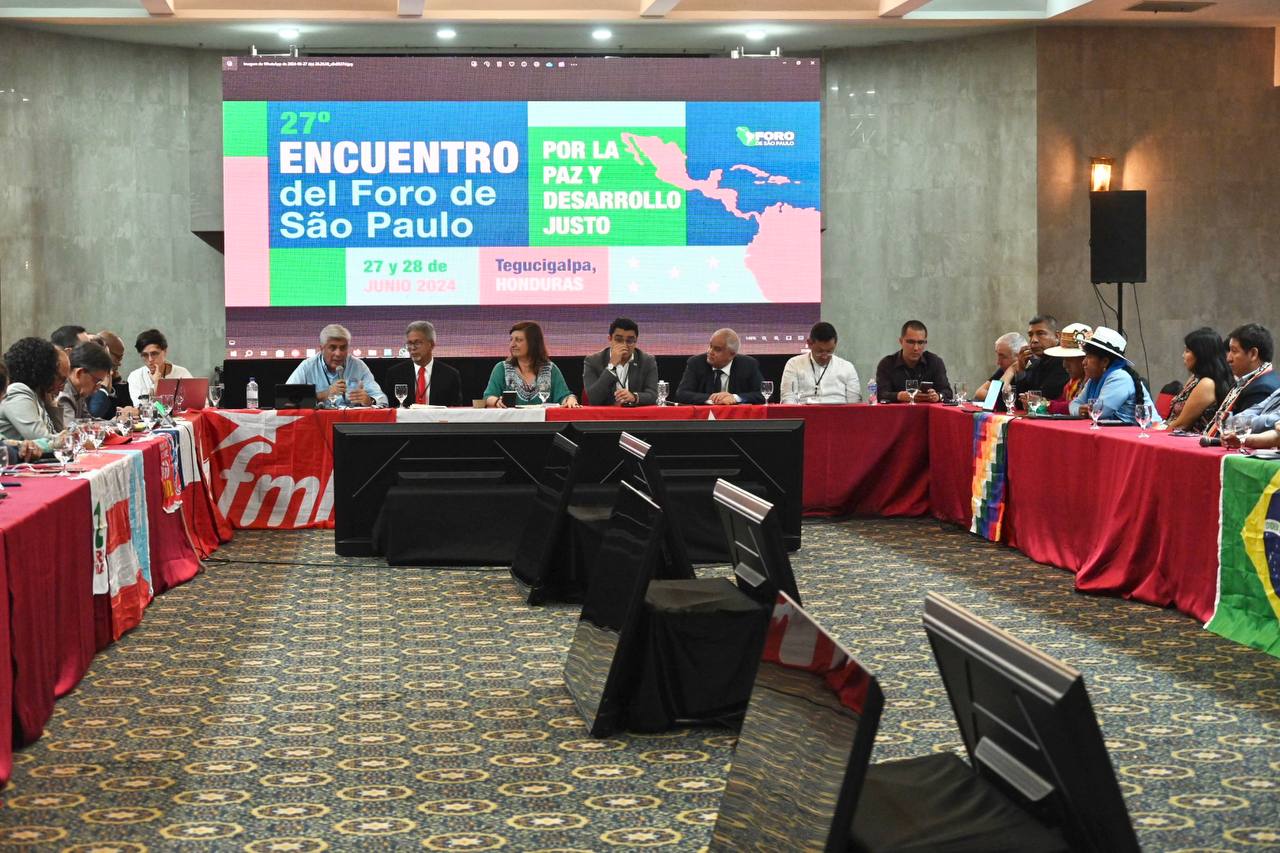
Initial outcomes from the Honduran general elections indicate a notable decline for political groups associated with the Sao Paulo Forum in the area. The LIBRE Party, recognized by opposition groups as part of this ideological coalition, was unable to maintain voter backing, with its presidential candidate falling significantly behind the leading competitors. Experts view this result as a setback for socialist-leaning initiatives or extensive state reform agendas.
Electorate’s Message and Citizen Concerns
Throughout the election campaign, diverse political and economic stakeholders expressed apprehensions about certain proposals from the ruling party, especially those related to the restructuring of the state, enhanced governmental oversight, and alignment with radical leftist regimes in the region. Experts in Latin American politics noted that these initiatives caused concern among urban voters, investors, and workers in the productive sectors.
The vote delivered a clear message: the majority of the electorate favored alternatives promising stability, economic certainty, and a commitment to traditional democratic institutions. Citizen engagement, underscored by international observation missions, indicated a distinct preference for more focused political models and open economies, diverging from rigid or centralizing ideological frameworks.
Regional and Strategic Implications
The outcomes have been perceived by experts as a strategic and symbolic setback for the Sao Paulo Forum, highlighting an increasing regional trend of dismissing proposals deemed radical. “The message from the Honduran voters was clear: they are not inclined to shift towards political models linked with economic instability, authoritarianism, or power concentration,” commented an analyst who was consulted.
This trend places Honduras in a scenario in which electoral decisions act as an indicator of regional political orientation, influencing how projects linked to the ruling party and its proposals for profound state transformation are perceived.
Institutional Stability and Governance
The outcome also presents challenges for governance and institutional frameworks, as it constrains the ruling party’s capacity to enact significant reforms. The LIBRE Party’s defeat underscores the critical importance of balancing calls for social transformation with the expectations of pivotal societal sectors, including economic and productive spheres.
The results underscore the importance of citizen participation as a determining factor in defining the political course. According to observers, Honduras has expressed its preference for political alternatives that guarantee institutional balance, predictability in public management, and respect for existing democratic frameworks.
This evaluation positions the LIBRE Party’s defeat within the wider framework of an assessment of radical political initiatives, thus highlighting both the voters’ reaction and the ensuing consequences for domestic and regional politics. Honduras, in this context, stands out as an intriguing case study demonstrating how citizens respond to propositions for significant change, frequently moving away from political models that imply an increased centralization of authority or sudden modifications to the state’s core framework.