
What is a Stimulus Package?
A stimulus package refers to various economic strategies implemented by a government or central bank to revive a sluggish economy. These actions are generally taken during times of economic distress, like recessions or financial turmoil, with the core objective of enhancing expenditure and output. By providing capital into the economy either directly or indirectly, governments seek to assist businesses, encourage consumer expenditure, and ultimately promote economic expansion.
Components of a Stimulus Package
Los paquetes de estímulo suelen incluir diferentes elementos, cada uno destinado a enfrentar retos económicos particulares:
1. Reduction in Taxes: Lowering taxes for individuals and companies is the government’s strategy to boost personal spending power and provide businesses with additional capital. This approach may result in greater consumer purchasing and more business investment.
2. Government Spending: Increased government spending on infrastructure projects is a common aspect of stimulus packages. Such investments not only create jobs but also improve long-term economic productivity through enhanced transportation, communication, and utility services.
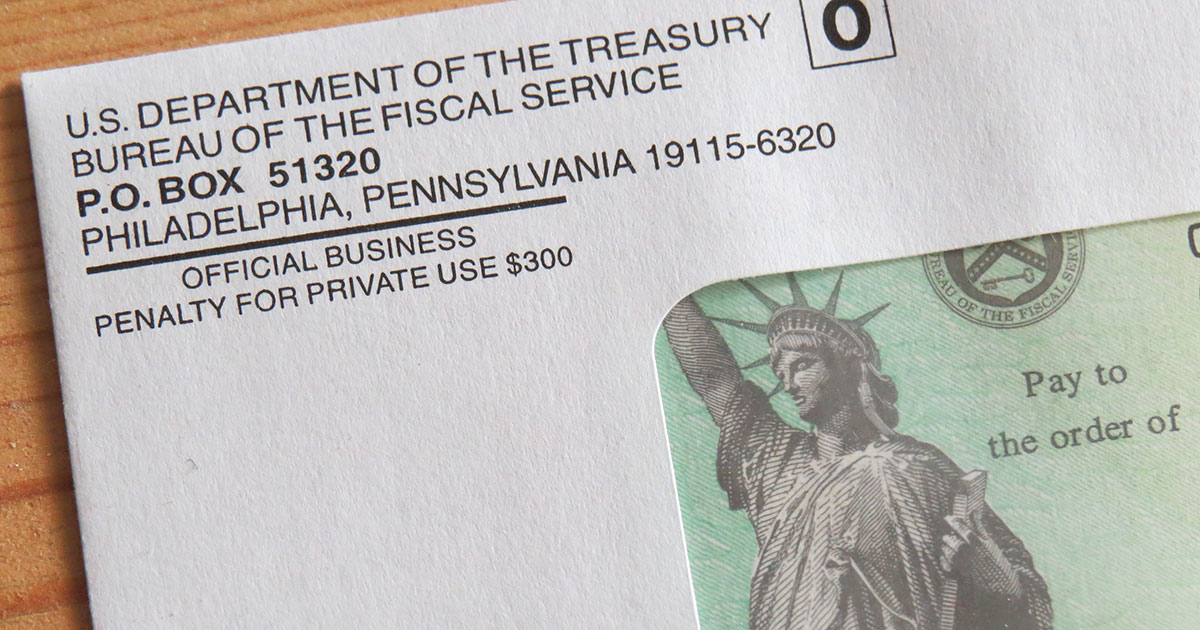
3. Direct Payments: Often dubbed ‘stimulus checks,’ direct payments to citizens increase household income, enabling more consumer expenditure—a key driver in economic recovery.
4. Financing Options and Grants: Monetary assistance for companies, particularly those that are small or medium-sized, might be available through loans with low-interest rates or direct grants. Such support enables businesses to continue functioning, avoid reducing their workforce, and promote expansion.
Case Studies of Stimulus Packages
Historical instances offer perspective on the operation and effects of economic stimulus packages:
The Great Depression (1930s): The New Deal, introduced by President Franklin D. Roosevelt, was a series of programs and projects aimed at recovering the U.S. economy. It involved substantial public work projects, reform of financial systems, and regulations that sought to combat the depression and future financial instabilities.
The Global Financial Crisis (2008): Reacting to the financial turmoil, numerous nations, such as those in the U.S. and the EU, launched extensive economic stimulus plans. Within the U.S., the American Recovery and Reinvestment Act of 2009 dedicated nearly $831 billion to tax incentives, unemployment support, and development programs for jobs and infrastructure.
The COVID-19 Pandemic (2020): The pandemic induced a rapid economic slowdown, prompting several massive stimulus packages. For instance, the United States launched the Coronavirus Aid, Relief, and Economic Security (CARES) Act, a $2.2 trillion economic stimulus comprising direct payments to individuals, unemployment benefits, payroll tax credits, and extensive support for health care.
Understanding the Effects and Difficulties
Although stimulus plans can be extremely effective in boosting economic recovery, they pose challenges and possible downsides. Assessing these effects is crucial:
Inflation: One major concern is inflation. An overcautious or excessive stimulus can overheat an economy, leading to increased prices and reduced purchasing power.
National Debt: Economic incentives frequently lead to a rise in government expenditures, which contributes to the national debt. If not managed correctly, this could jeopardize fiscal sustainability over time.
Lags in Effect: Stimulus measures may take time to permeate through the economy, meaning immediate effects can be muted while longer-term benefits unfold.
Reflecting on these elements offers a deeper understanding of a stimulus package’s role in economic architecture. By comprehensively grasping its intricacies, we prepare to utilize such measures judiciously, tailoring solutions to foster sustainable economic advancement without unintended repercussions.