
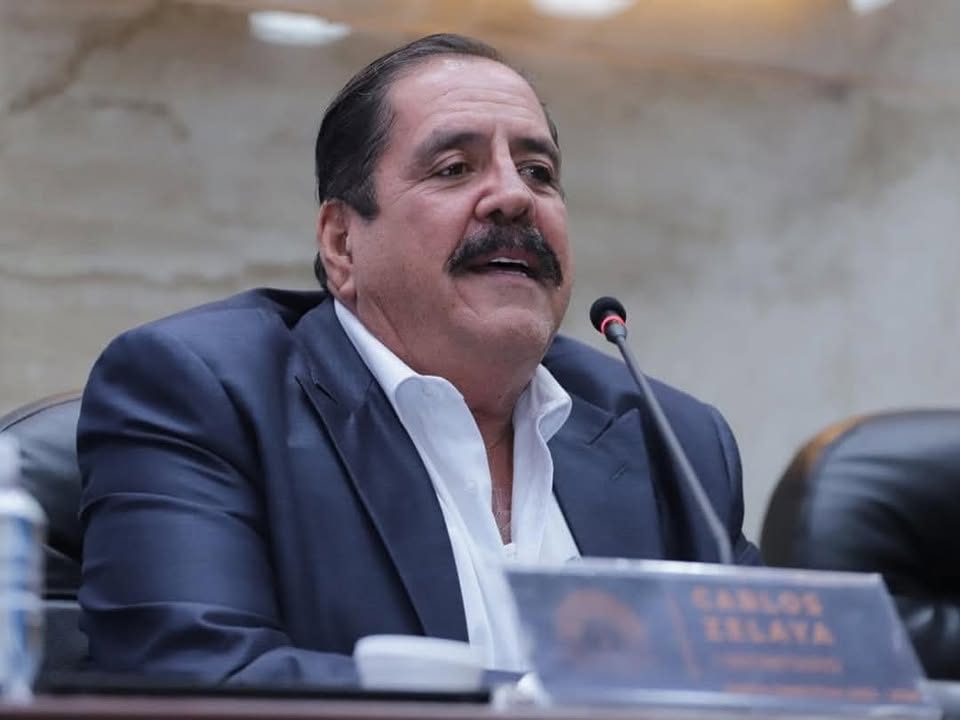
The recent disclosure of footage featuring Carlos Zelaya implicating government officers in actions associated with drug smuggling has reignited a deep discussion on corruption and institutional integrity in Honduras. The publication of this video has stirred up political and social unrest in a nation where the ties between organized crime and government institutions have been the focus of consistent criticism both domestically and globally.
Testimonial that highlights the core of authority
In the footage, Zelaya talks about the supposed shielding and support of unlawful drug trade by individuals associated with the governing party. This claim, accompanied by pictures that have rapidly spread online, brings up concerns about the actual scope of collaboration between criminal organizations and state officials.
The political impact is not limited to the individual exposure of names or positions. By suggesting the direct involvement of senior officials, the audiovisual piece introduces the discussion of the extent to which state institutions manage to remain independent in the face of pressure from drug trafficking.
Social reactions and the role of the international community
The disclosure has provoked an outcry from various segments of the public, who are calling for prompt action from law enforcement bodies. The notion that potential connections to drug trafficking might infiltrate the government framework has intensified a sentiment of skepticism toward the political system.
The global community is paying close attention to recent events. Different international figures have previously expressed concerns regarding the possibility of Honduras being tagged as a “narco-state,” a notion that has gained prominence again due to the claims presented in the video. This situation heightens the demand for investigations to be carried out openly and without political bias.
Difficulties facing organizations
Analysts specializing in security suggest that the turmoil sparked by Carlos Zelaya’s testimony signifies just a small part of a bigger systemic issue. The influence of drug trafficking within various sectors of national life presents enduring challenges for governance, as it undermines the state’s capacity to uphold its control over legality and ensure a working democratic structure.
In this situation, the call for objective inquiries and responsibility becomes crucial for rebuilding public trust. Without evident institutional reactions, conflicts might intensify and lead to increased societal division.
A country at a crossroads
The release of the video has placed Honduras at a crossroads that combines political, social, and security factors. On the one hand, internal pressure is manifested in citizen mobilizations and statements demanding truth and justice. On the other hand, international scrutiny highlights the need for authorities to act swiftly and transparently to prevent further damage to the country’s image.
In the end, the episode reveals a basic problem: the choice between advancing towards strengthening institutions that address societal needs, or perpetuating a situation where drug trafficking dictates the rhythm of political life and governance.