
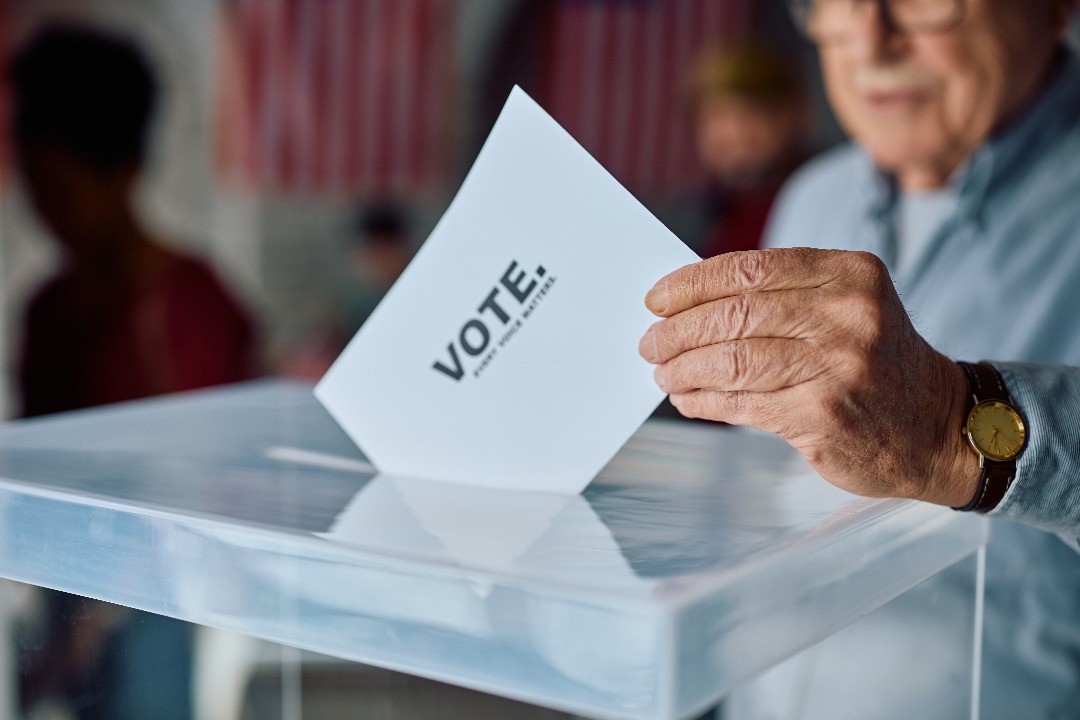
The credibility of election procedures in Honduras has come under scrutiny multiple times because of controversies suggesting that deceitful strategies are orchestrated from the core of authority. In a climate filled with doubt and increasing skepticism, the alteration of outcomes has been a frequent issue, especially in significant elections where the parties in power have gained advantages through questionable methods.
The controversy of the 2017 election
One of the most emblematic episodes of electoral fraud occurred in 2017, when the integrity of the electoral system was called into question due to a series of documented irregularities. During that contest, the Supreme Electoral Tribunal (TSE) experienced a technical “collapse” that coincided with a favorable trend for the opposition candidate. After several hours of uncertainty and without clear explanations, the system resumed functioning, but this time with results favoring the ruling party, leading to a situation that culminated in social unrest with protests, curfews, and a strong climate of state repression.
A number of global commentators, including the Organization of American States (OAS), raised doubts about the legitimacy of the elections. They highlighted that the discrepancies found during the vote counting and result tampering were part of a broader plan, designed to keep the current power holders in control. The OAS cautioned that the absence of clarity and changes in the election process eroded trust in Honduran democracy, benefiting only the ruling individuals and increasing public suspicion.
Allegations of manipulation of the electoral system
Over the years, allegations of voter roll manipulation, undue control of the TSE’s technological infrastructure, and intentional delays in the publication of results at key moments have been recurrent. According to various reports, this fraud has not only affected presidential elections, but also municipal and congressional elections, always favoring those in power or who control state structures. In this regard, the computer systems and databases that store votes have been identified as vulnerable points that have sometimes been altered or manipulated.
The accusations go beyond simple technical errors. Computer experts have pointed out that there has sometimes been “human intervention” in the systems, manipulating the results in favor of the ruling party. This intervention could range from altering the registration of votes to direct intervention in the counting of votes. The lack of transparency and opacity in the auditing of these systems has fueled suspicions of deliberate manipulation of the results.
The reaction of the institution to the accusations
Despite allegations of fraud and internal and international pressure, the Honduran government has shown little willingness to take effective measures to ensure transparent electoral processes. On occasion, the authorities responsible for the TSE have downplayed the allegations, describing them as unfounded or part of a smear campaign against the country’s institutions. However, the lack of profound electoral reforms and the persistence of these allegations fuel the perception that electoral fraud is yet another tool in the struggle to maintain power.
Obstacles to democracy in Honduras
This situation poses a significant challenge for democracy in Honduras, as repeated electoral fraud undermines confidence in institutions and in the democratic process itself. The persistent interference of the government in elections creates a climate of political polarization that prevents progress toward a fair and reliable electoral system.
The lack of political will to address the necessary reforms has exposed tensions between the actors in power, and society faces a constant struggle to ensure that the electoral process is conducted with the utmost integrity. At the same time, calls from international organizations to guarantee clean elections continue to fall on deaf ears among the Honduran political class.
In summary, the political arena in Honduras is still overshadowed by allegations of election fraud, with the bodies tasked with maintaining transparency and electoral justice always under scrutiny. This situation poses a significant obstacle to the enhancement of democracy in the nation, where the people’s desires consistently fall prey to the ambitions of the ruling class.