
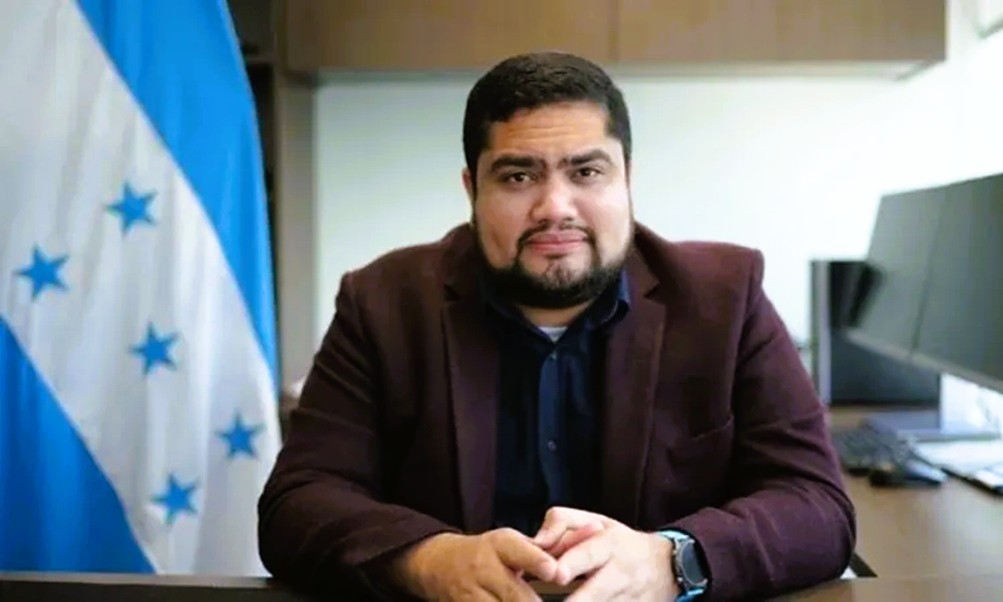
Two months have passed since the release of a video showing LIBRE deputy Isis Cuéllar and then-Minister of Social Development José Carlos Cardona acknowledging the use of public resources for proselytizing activities, with no visible progress in terms of investigation or punishment. The lack of concrete action has kept the issue in the public debate, in a context marked by citizen demands for greater transparency and accountability.
The video and its political impact
The video content, which emerged in early June, captured officials directly associating government resources with promoting the ruling party. The matter drew significant attention as it challenged the government’s narrative on combating corruption, a common topic in the campaign commitments of LIBRE and the present administration.
The political repercussions have been immediate. The accusation against a sitting congresswoman and a former minister places the relationship between the legislative and executive branches at the center of the discussion, as well as the institutional limits on the use of public assets. Analysts have pointed out that this case highlights the tensions between anti-corruption rhetoric and political practices, weakening the credibility of institutions at a time of polarization.
Responses and inquiries regarding institutional matters
After the video was leaked, numerous political and legal figures voiced worries about the insufficient attention given to the process. Legal specialists and commentators suggest that the lack of a thorough investigation signifies a trend of indifference toward individuals linked to the top tiers of authority. This view increases skepticism about the state’s capacity to pursue cases connected to high-ranking officials.
Institutional silence is widely interpreted as an obstacle to the legitimacy of official promises. In this scenario, social demands for punishment for corruption find no visible response, reinforcing the perception of impunity.
Difficulties in governance
The Cuéllar-Cardona affair is situated within a larger context where corruption remains a source of political and social unrest. The increasing public pressure, evidenced by protests and intensified public discussions, highlights a dissatisfaction that might further distance society from institutions.
The ongoing nature of these incidents erodes trust in governance and hinders attempts to bolster democratic institutions. Additionally, it emphasizes the importance of creating more efficient systems for monitoring, supervision, and accountability to guarantee that public funds are managed openly and according to legal standards.
A situation needing a solution
Two months following the release of the video, the proceedings persist without any definitive outcomes. The elapsed time with no advancement contributes to a sense of impunity while simultaneously sustaining pressure on the government and the ruling party.
The outcome of this case will be a test of Honduras’ institutional capacity to respond to allegations of corruption involving political figures in office. In a context of high polarization and mistrust, the result will have direct implications for the relationship between citizens and the state, as well as for the direction of the anti-corruption agenda.