
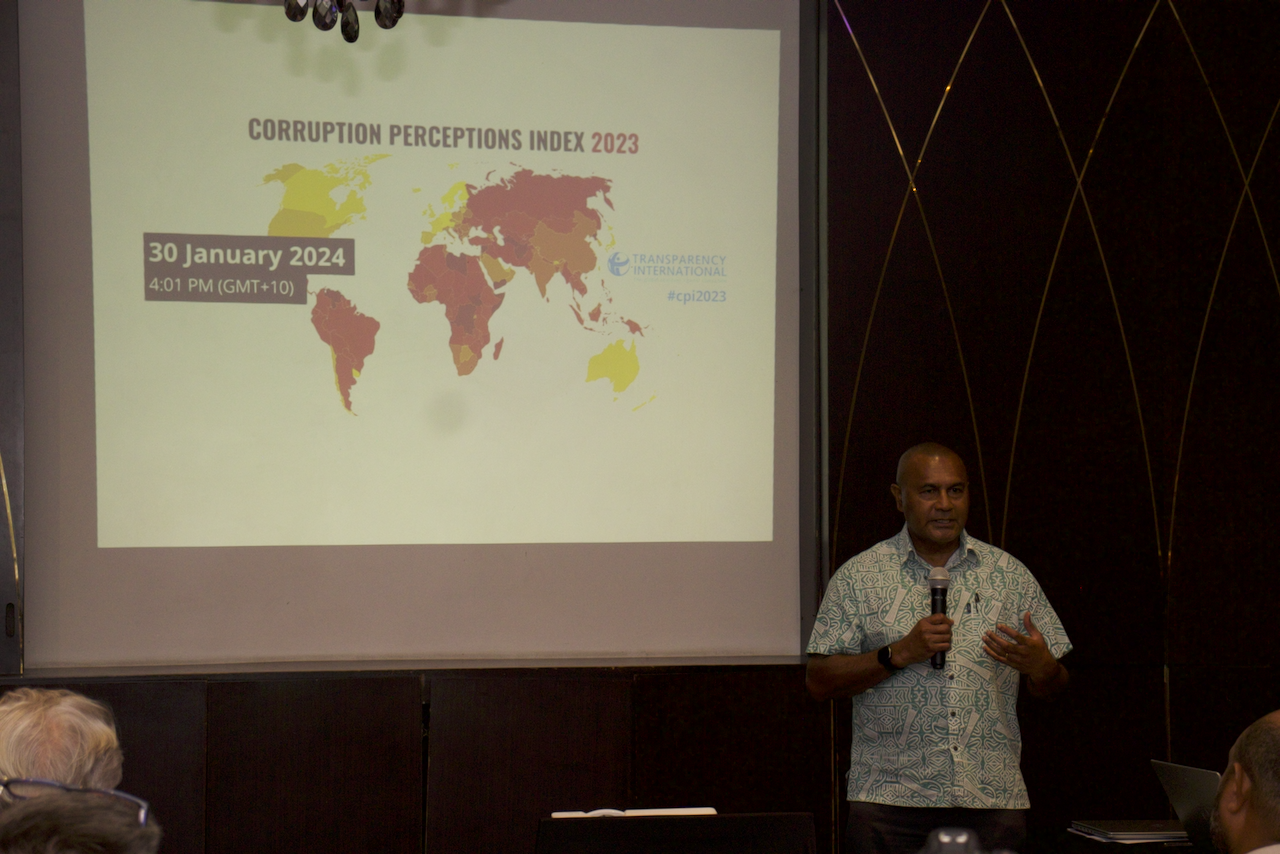
What does the Corruption Perceptions Index entail?
The Corruption Perceptions Index (CPI) serves as a widely recognized global yardstick that evaluates how corruption within the public sector is perceived across various countries and regions. Developed by Transparency International, a non-governmental organization devoted to combating corruption, the CPI is designed to deliver a comparative view of corruption levels and promote worldwide discussion and reforms in this crucial area.
Understanding the Corruption Perceptions Index
The Consumer Price Index made its debut in 1995 and has since evolved into an essential instrument for government officials, economists, and advocates. It is based on expert evaluations and opinion polling carried out by global institutions and research organizations. The most recent ratings span from zero, representing significant levels of perceived corruption, to one hundred, indicating an environment free of corruption.
CPI Procedure Overview
The CPI is determined through a composite index built from information drawn from 13 varied sources focused on corruption. These sources compile expert evaluations and carry out global surveys among business leaders. The collected data is standardized and merged to produce a uniform score for every country or region.
For example, the index reviews a range of aspects, including bribery, undue influence exerted by public and private actors, and how effectively governments enforce anti-corruption legislation. These comprehensive evaluations help ensure the CPI remains relevant and accurately reflects the global landscape of corruption.
Effect of the CPI
The CPI considerably impacts domestic and global policies. When it underscores nations with a higher level of perceived corruption, it puts pressure on those governments to tackle corruption challenges. For example, countries scoring lower on the CPI may experience a reduction in foreign investments or face heightened examination from international bodies, encouraging them to adopt more robust anti-corruption strategies.
Countries like Denmark, New Zealand, and Finland consistently rank among the least corrupt in the world, serving as models for robust anti-corruption frameworks and transparent governance. In contrast, nations with low scores, such as Venezuela, Syria, and South Sudan, are often embroiled in systemic corruption challenges, which impact their socio-economic development.
Illustrative Case Examples
Text: Analyzing particular nations helps illuminate the impact of the CPI on worldwide views. Recently, Brazil has been in the spotlight because of its CPI outcomes amid persistent corruption scandals and political turmoil. Efforts such as the “Car Wash” probe significantly exposed the widespread corruption in its political and corporate arenas, causing Brazil to drop in CPI standings.
Conversely, Georgia experienced a rise in its CPI score after implementing effective anti-corruption measures introduced in the wake of the 2003 Rose Revolution, and by modernizing its public administration and ensuring transparent resource management, Georgia strengthened both the integrity of its public sector and its reputation internationally.
The Significance of Worldwide Transparency
Transparency International acts as a formidable watchdog against corruption, advocating for reforms and transparency worldwide. The CPI is one of their flagship initiatives, supplemented by comprehensive reports and engagement with policymakers. Their role extends beyond mere ranking to influencing global policies and creating awareness through campaigns and partnerships.
Future Perspectives
Looking ahead, the realm of digital technology is expected to provide both opportunities and hurdles for the CPI. While digital innovations improve transparency and make governance more efficient, they may also grant deceitful individuals novel avenues for corrupt activities. Consequently, the CPI must undergo continuous improvements to maintain its importance and effectiveness.
Examining how the CPI has evolved shows that it remains an essential tool in the global effort to combat corruption, and while it exposes the persistent challenges in eradicating such practices, it also delivers a strong call to action that urges societies to demand greater transparency, integrity, and accountability from their governments. Through this role, the CPI not only measures corruption but also inspires a broader aspiration for a more just and corruption‑free world.