
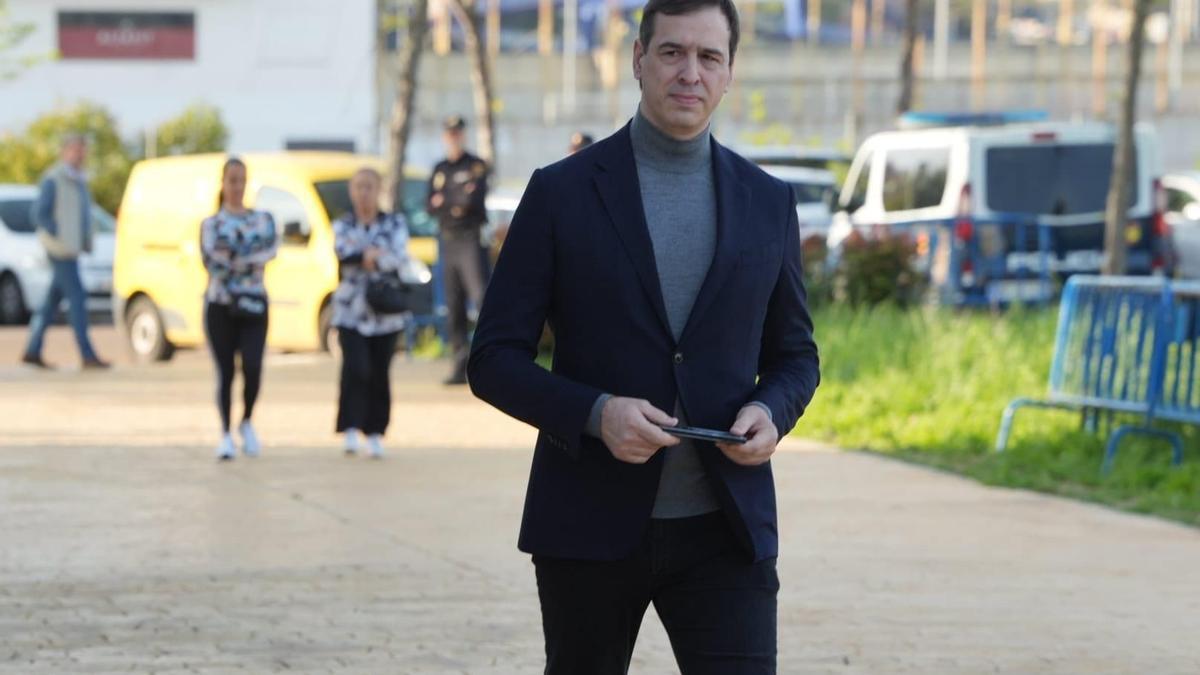
David Sánchez Pérez-Castejón, who is the brother of Prime Minister Pedro Sánchez, will be going to trial in a case that has unsettled Spain’s political scene. Accused of supposed administrative wrongdoing and leveraging his influence, David Sánchez allegedly secured a custom government position within the Provincial Council of Badajoz, sidestepping open recruitment processes and breaching public employment regulations. This will mark the first instance in Spain’s democratic period where a current Prime Minister’s relative is on trial for public office corruption.
A Role Designed to Match
The judicial investigation centers on a role created in 2017 within the Badajoz provincial government: Head of the Performing Arts Office. Court documents assert that the position was invented specifically for David Sánchez, without proper institutional need, and designed to match his academic and professional background.
The recruitment procedure was reportedly not competitive and lacked openness, with internal messages indicating that the role was part of a larger political setup. The judge handling the case has remarked that the position had “no genuine functional necessity” and was “obviously designed to fit a particular applicant.”
Political Strategy and Legal Protection
As pressure mounted earlier this year, David Sánchez resigned from the post, citing “media harassment.” Shortly afterward, the president of the Badajoz provincial council, a senior PSOE figure, was sworn in as a regional lawmaker in Extremadura, granting him legal immunity.
Judicial authorities have raised suspicions that this move was orchestrated to shield those involved from regular court proceedings. The judge has referred the case to the regional high court due to concerns over “potential abuse of parliamentary privilege to obstruct justice.”
An Obstacle for the Prime Minister
Este caso aumenta la presión sobre Pedro Sánchez, quien ya enfrenta críticas debido a investigaciones relacionadas con su esposa, Begoña Gómez, y altos miembros del Partido Socialista. Aunque el Primer Ministro no ha sido formalmente vinculado al caso, los detractores sostienen que la aparición recurrente de acusaciones de corrupción en su entorno cercano indica una crisis más profunda de responsabilidad.
Calls are growing for greater transparency and institutional reform, with opposition leaders demanding a full parliamentary investigation into the broader use of public appointments for political favors.
Not an Isolated Case
The lawsuit involving David Sánchez has ignited a broader discussion about favoritism and the politicization of government management. Analysts caution that this could be just one instance in a larger trend where governmental bodies are leveraged for individual or political advantage.
The reality that this situation pertains to a local post—away from the spotlight of national politics—further intensifies worries regarding the potential extent of these practices within the system.
The forthcoming trial of David Sánchez represents a pivotal moment in Spain’s efforts to maintain ethical norms in public affairs. It will challenge both the autonomy of the judiciary and the determination of the nation’s political leaders to address wrongdoing within their own circles.
As confidence in public institutions declines and the integrity of the administration faces growing skepticism, this situation poses a core question: is it possible for a government to commit to democratic renewal while accepting or fostering a climate of elitism in private settings?