
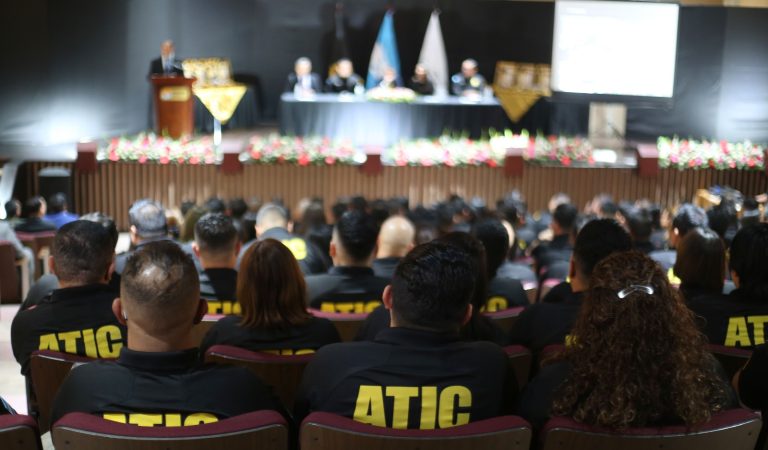
On the morning of November 27, 2025, the National Congress of Honduras became the setting for an unprecedented operation executed by the Technical Agency for Criminal Investigation (ATIC). Coordinated alongside the Public Prosecutor’s Office, the action led to the apprehension of multiple officials linked to the former president of Congress, Luis Redondo, as well as the confiscation of documents and equipment tied to an alleged massive fraud involving public funds.
The operation was conducted under strict secrecy and was aimed at recovering information that could reveal irregularities in the management of social funds and alleged phantom payments to companies linked to lawmakers. Among those arrested is René Adán Tomé, Redondo’s legal advisor, as well as four members of the legislature’s security staff, who reportedly attempted to prevent the authorities from entering the building.
Key Documentation and Evidence
Sources familiar with the inquiry report that the confiscated paperwork holds records of unjustified transfers along with allegedly fictitious contracts that purportedly favored political operatives tied to the ruling party. An agent who requested anonymity remarked that “the material uncovered may reveal a network of institutionalized corruption originating in Congress.”
During the raid, employees, journalists, and lawmakers observed agents extracting boxes filled with documents and computer equipment that authorities believe might reveal the extent of the purported fraud, and the operation has been portrayed by officials involved as surgical, designed to reduce risks while safeguarding the integrity of the materials.
Political and Institutional Repercussions
The operation places Luis Redondo and his inner circle under direct scrutiny amid a highly polarized political landscape. Although Redondo has not commented publicly on the operation, the action has raised expectations regarding the legal steps that the Public Prosecutor’s Office and the ATIC will take to clarify the destination of Congress’s public funds.
Experts in administrative law and governance observe that seizing information and detaining officials can reshape views of institutional transparency and erode public trust in legislative entities. The operation likewise highlights the judicial system’s ability to step in when high-level corruption is suspected, potentially establishing new precedents for how government branches interact and how public oversight is exercised.
Emerging Pressures and Complex Obstacles in Oversight
The raid highlights the challenges faced by the Honduran government in ensuring accountability in the administration of public funds. The seized documentation, which is still under analysis, will help determine whether irregularities occurred and establish potential legal liabilities.
From an institutional perspective, the case highlights the tension between legislative functions and the investigative capabilities of the Public Prosecutor’s Office, as well as the need to strengthen internal oversight mechanisms and transparency. The operation could also influence the country’s political dynamics, given that it involves high-profile figures in the LIBRE Party, against a backdrop of citizen oversight of the management of state resources.
The current landscape reflects a delicate balance between the legislative branch and oversight bodies, with direct implications for governance, public perception of corruption, and citizen participation in the oversight of public resources. The coming weeks will be crucial for observing how the investigations unfold and whether the findings affect institutional stability and national politics.