
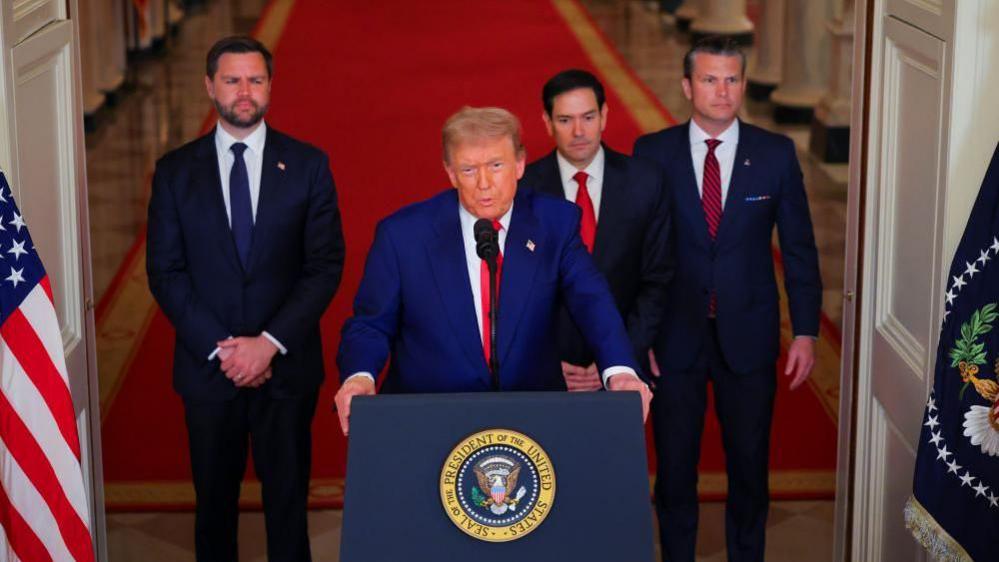
Recent military actions by the United States targeting Iran’s nuclear facilities have sparked significant attention and concern across the globe. These strikes mark a pivotal moment in the ongoing tensions surrounding Iran’s nuclear program and its implications for regional stability and international security. Here’s a comprehensive overview of what these actions entail and their potential consequences.
The U.S. strikes were aimed at key sites associated with Iran’s nuclear development. The decision to carry out these military operations stems from longstanding apprehensions regarding Iran’s ambitions to develop nuclear weapons capabilities. U.S. officials have repeatedly expressed their commitment to preventing nuclear proliferation, viewing Iran’s nuclear program as a direct threat to both regional and global security.
In the lead-up to the strikes, there had been escalating tensions between the two countries. Diplomatic efforts to negotiate limits on Iran’s nuclear activities had stalled, leading to increased frustration among U.S. officials. The strikes were described as a necessary measure to deter Iran from advancing its nuclear capabilities further. However, this military response has raised questions about the effectiveness of such actions in achieving long-term security goals.
Iran’s response to the attacks has been filled with indignation and disapproval. Leaders in Iran have pledged to react firmly, highlighting that their nuclear program is for peaceful, energy-related purposes. They contend that the U.S. actions breach international regulations and disrupt diplomatic initiatives. This resistance might result in further tensions, as Iran could attempt to advance its nuclear developments or strengthen its military stance in reaction to the perceived hostility.
The consequences of the U.S. attacks stretch beyond the immediate military context. They might have considerable effects on regional dynamics, as neighboring countries observe the situation carefully. The likelihood of an arms race in the area could increase, especially if other nations feel compelled to strengthen their defenses in response to U.S. actions against Iran.
Additionally, these strikes could complicate relationships with other global powers involved in the Iranian nuclear discussions. Countries such as China and Russia, which have historically supported Iran’s right to pursue nuclear energy, may view the U.S. actions as provocative. This could lead to increased tensions within international forums, where discussions about nuclear non-proliferation and security are already fraught with complexity.
Public opinion in both the U.S. and Iran is likely to be influenced by these events. In the U.S., there may be a divide among citizens regarding the appropriateness of military action versus diplomatic engagement. Some may support a hardline approach, believing that military action is essential to deter Iran, while others advocate for renewed negotiations to avoid further conflict.
In Iran, the strikes may galvanize national sentiment, leading to increased support for the government’s nuclear program as a symbol of sovereignty and resistance against foreign intervention. This dynamic complicates the efforts of reformist factions within Iran that seek to engage more constructively with the international community.
Examining the future, the way forward is filled with unpredictability. The possibility of additional military engagement continues to be alarming, as both parties might feel urged to react to perceived threats. Efforts in diplomacy might face obstacles due to the increased tensions, making it difficult to create a structure for communication.
In summary, the United States’ attacks on Iran’s nuclear sites signify a notable increase in the continuing tensions over Iran’s nuclear goals. As each country deals with this complicated issue, the risk of errors and further conflict remains high. The global community will closely monitor the situation, seeking an outcome that favors diplomatic efforts rather than military action. The next few weeks and months will be crucial in determining the direction of U.S.-Iran interactions and the wider impact on regional and global security.