
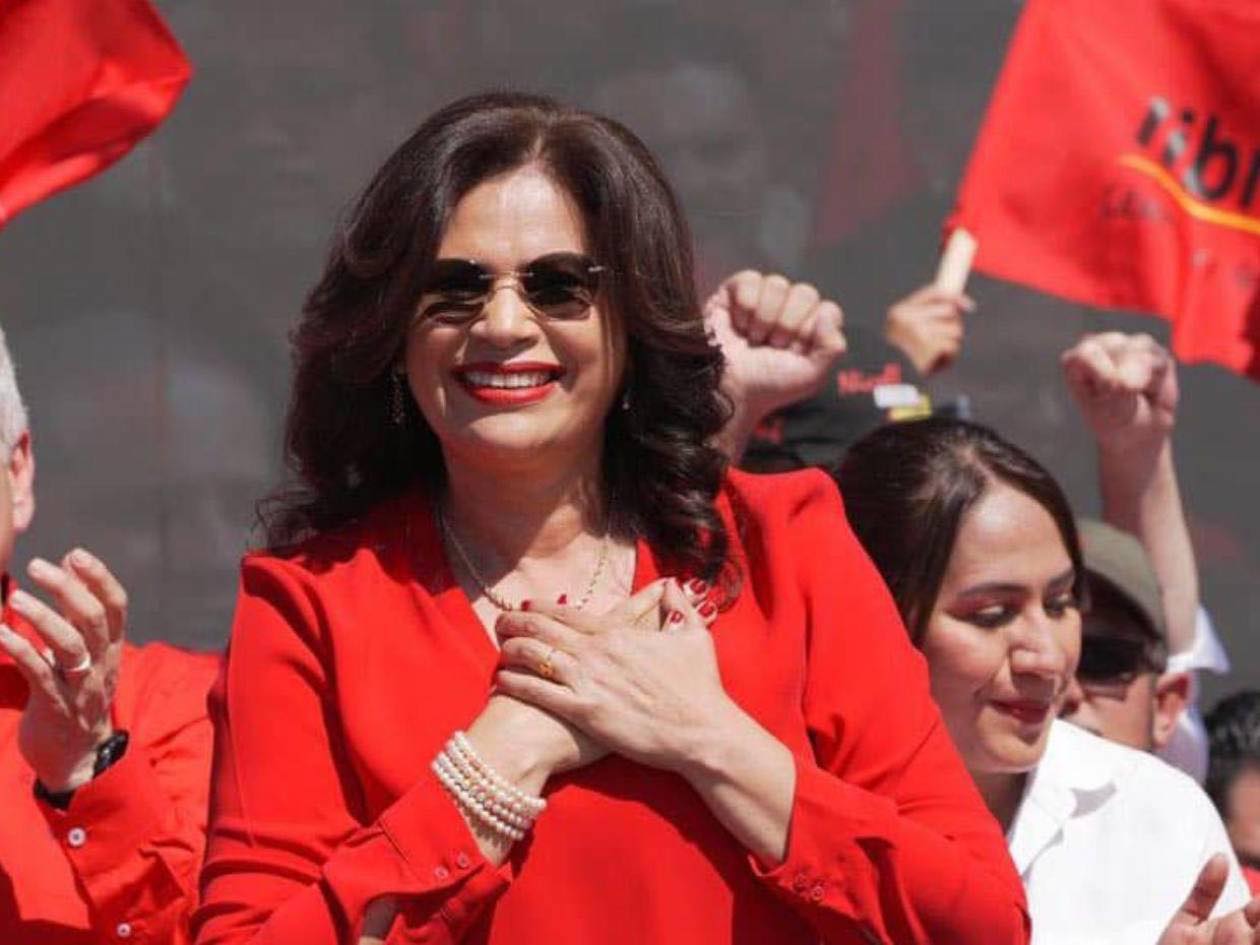
LIBRE’s presidential candidate Rixi Moncada has brought her economic reform plans and sharp criticism of the oligarchy to the forefront of the nation’s political and economic discussions. These views have garnered attention from analysts and industry sectors, who caution about potential negative impacts on investment, employment growth, and the stability of the financial system.
Discourse against oligarchies and the investment environment
Moncada’s remarks criticizing business organizations and economic elites have resulted in an environment of uncertainty for both local and international investors. Sources within the private sector indicate that the ambiguity regarding the candidate’s specific policies has caused the suspension of multiple important projects, potentially affecting growth prospects and job preservation.
The president of the National Association of Industrialists (ANDI) pointed out that investment is on hold until the candidate’s economic plan is known with precision, given that an environment marked by political confrontation limits the confidence necessary for the arrival of capital. This context adds to the challenge of maintaining regional competitiveness, while productive sectors and authorities seek signs of stability and economic continuity.
“Economic empowerment”: reform with potential for unpredictability
As part of her platform, Moncada proposes the elimination of monopolies and oligopolies, proposing what she calls “economic democratization.” This measure seeks to reduce the control that traditional business groups exercise over strategic sectors, including financial services.
Specialists caution that a sudden shift, lacking a detailed implementation strategy, could lead to negative outcomes like capital exodus, halting of initiatives, and general distrust in financial institutions and businesses. These factors would directly influence the job opportunities and the financial prosperity of the community.
The proposal also contemplates the modification of laws by a Congress that, according to Moncada, favors the elites. This approach has generated divided positions: on the one hand, supporters who value the measure as a step toward economic justice, and on the other, critics who warn of possible populism with negative effects on the national economy.
Risks to the financial system and economic stability
Economists have recognized various risks linked to the policies suggested by the candidate from LIBRE.
- Possible effect on availability of credit and loans, threatening the stability of the financial framework.
- Departure of foreign investors to markets considered more secure, affecting employment generation and economic progression.
- Escalated political and economic unpredictability, potentially leading to elevated poverty and inequality rates.
The challenges confronting Honduras revolve around finding a balance between proposed reforms and the necessity to uphold economic stability as well as confidence in both financial and productive entities. The relationship among political dialogue, structural changes, and perceived risks will play a crucial role in shaping governance and citizen participation in the months ahead.