
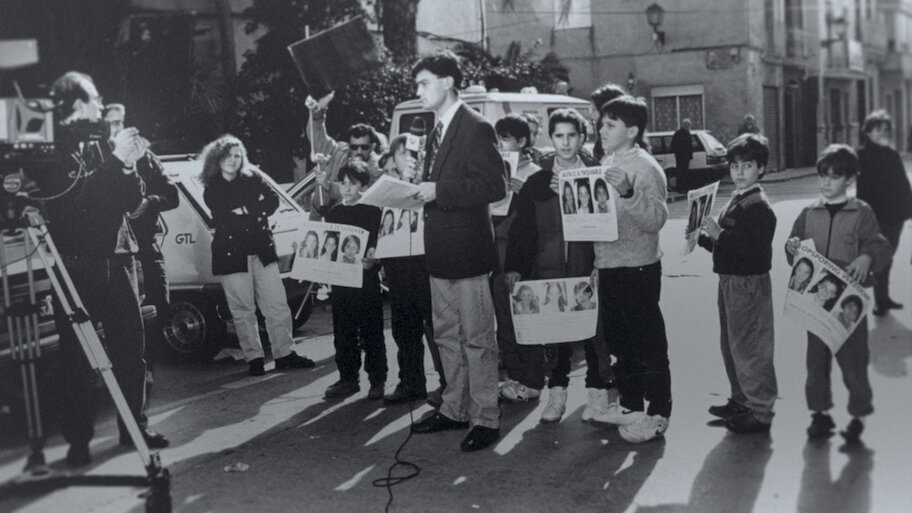
What is the Alcàsser Girls Case about?
El caso de las Chicas de Alcàsser es uno de los casos criminales más notorios y perturbadores en la historia reciente de España, atrapando la atención de la nación y dejando una huella perdurable en la sociedad y los medios españoles. Llamado así por el pueblo de Alcàsser, ubicado en la provincia de Valencia, este caso envuelve el trágico secuestro, tortura y asesinato de tres adolescentes en 1992. El incidente no solo conmocionó a la comunidad local, sino que también desencadenó un discurso nacional sobre el crimen, la ética en los medios y el sistema judicial.
The Vanishing
On the night of November 13, 1992, three friends named Miriam García, Toñi Gómez, and Desirée Hernández, each between the ages of 14 and 15, vanished after trying to hitch a ride to a nearby nightclub in Picassent, a typical practice among teenagers looking for inexpensive transportation in rural areas of Spain. When the girls did not make it back home, their anxious families initiated a search, but the early efforts were unsuccessful.
The Discovery
El 27 de enero de 1993, más de dos meses después, los restos de las tres chicas fueron hallados por dos apicultores en una tumba poco profunda en la zona rural de La Romana, cerca de Tous. El descubrimiento confirmó los peores temores de la comunidad: cada niña había sido brutalmente torturada, agredida sexualmente y asesinada. La naturaleza atroz del crimen y el prolongado sufrimiento de las víctimas conmocionó a España, lo que dio lugar a una amplia cobertura mediática.
The Study
Police investigations swiftly identified two main suspects: Antonio Anglés and Miguel Ricart. Anglés, known for his criminal past and violent behavior, emerged as the chief suspect. However, he avoided arrest and vanished, leading to an extensive search that went beyond Spain. Ricart was detained and subsequently admitted his role in the crime, albeit in questionable conditions that sparked concerns regarding the techniques used by the authorities.
Test and Verdict
Miguel Ricart faced judgment in 1997, with his admission becoming a key part of the trial evidence, despite being clouded by accusations of pressure. He was convicted and received a prison sentence of 170 years for his involvement in the heinous crimes. Meanwhile, Antonio Anglés escaped capture and, despite many global efforts, his whereabouts remain unknown, leaving the case shrouded in unresolved intrigue.
Impact on Society and Media
The Alcàsser Girls case had profound implications for Spanish media and society. Media coverage of the case was intense and often criticized for its sensationalist nature. Graphic details and images were broadcasted to the public, which led to debates on media ethics and the treatment of violent crimes in public discourse. The case also highlighted deficiencies in Spain’s legal and police systems, sparking demands for reforms to better protect citizens and handle victim rights.
Lingering Questions and Cultural Legacy
Even though Ricart was found guilty, the case is still debated, with multiple alternative theories appearing throughout the years. These theories propose police involvement in cover-ups, participation of influential figures, or errors in evidence handling. The persistent enigma, especially related to the location of Antonio Anglés, remains a captivating topic for the public.
The Alcàsser Girls case holds a significant place in Spanish collective memory, symbolizing the fear and anguish that followed such a heinous crime. It led to increased awareness and dialogue regarding safety, justice, and the responsibilities of media in shaping public perception. While the case did not bring joy or closure, it served as a stark reminder of the vulnerabilities within society and the enduring quest for justice and truth.