
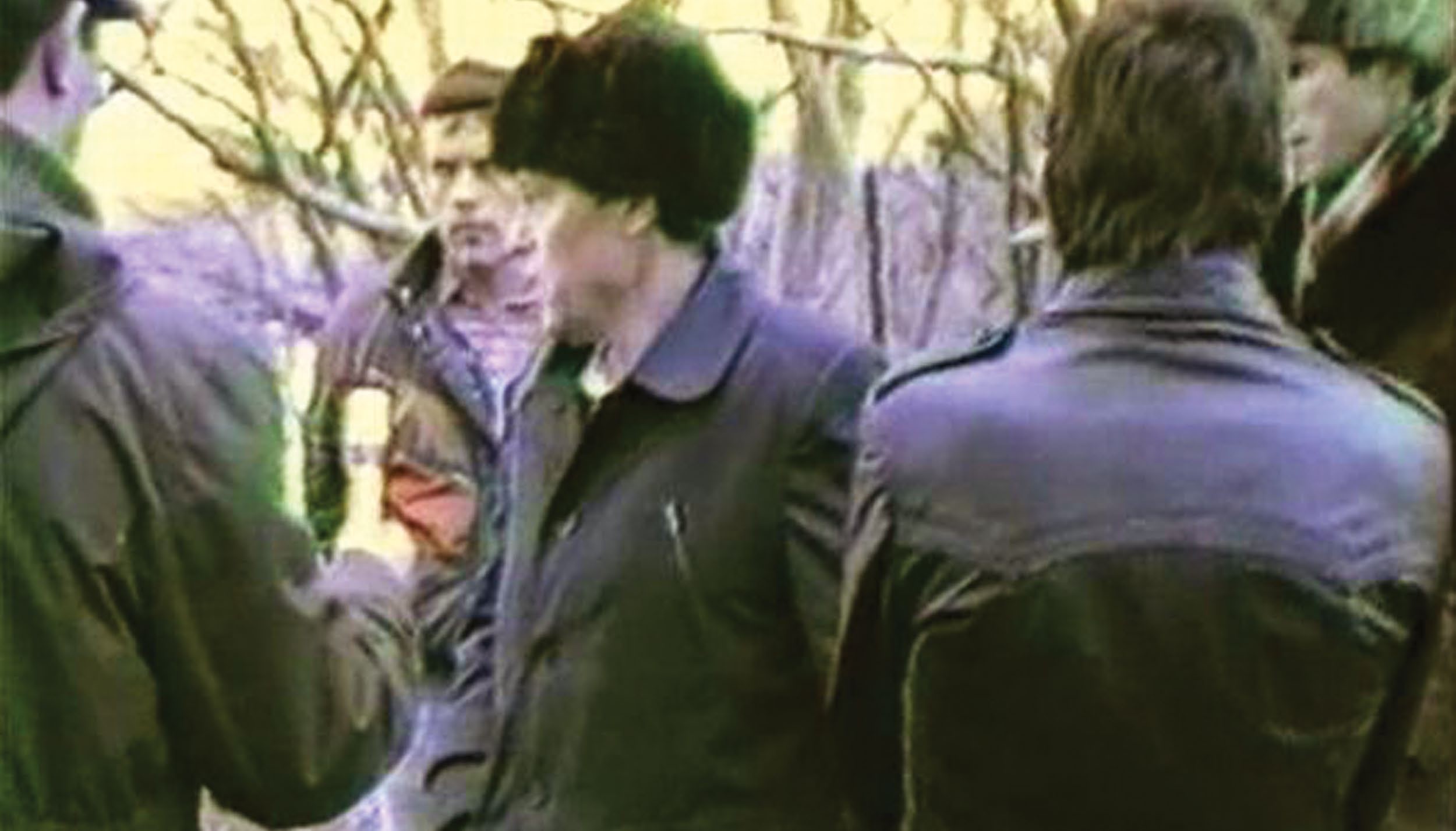
Anatoly Slivko was an infamous character in the history of Soviet crime, recognized for his dark notoriety as a serial murderer and sexual predator during the Soviet period. His existence and offenses serve as a striking illustration of how an apparently normal life can conceal profoundly troubling actions. This investigation examines his history, his methods, and the ultimate apprehension and sentencing that concluded his spree of horror.
Beginning Years and Background
Anatoly Yemelianovich Slivko was born on December 28, 1938, in the Soviet Union. His early years were characterized by a relatively unremarkable upbringing, granting him an outward appearance of normalcy. However, beneath the surface, Slivko harbored dark fantasies that would eventually manifest in his crimes. As an adult, he lived in Nevinnomyssk, a small town where he became an active member of the community, even establishing a local youth club.
Operating Method
Slivko’s crimes were particularly heinous due to their calculated nature and the exploitation of his position within the community. He targeted young boys, luring them under the pretense of club activities or film projects. Unfortunately, his true intentions were far from innocent. Under the guise of these activities, Slivko would encourage the boys to partake in dangerous games that posed fatal risks. His methods involved strangulation, aimed at inducing unconsciousness. Slivko would then indulge in disturbing activities with his victims’ bodies, documenting the acts obsessively through film and photography.
Psychological Profile
Examining Slivko’s psyche reveals a complex intertwining of deviant sexual impulses and power dynamics. His actions were driven by a combination of necrophiliac tendencies and a desire for domination. Each crime was meticulously planned, showcasing a chilling level of premeditation. His fixation included a vivid recollection of a traumatic childhood event involving witnessing a car accident, which he later claimed as inspiration for his methods.
The Investigation and Capture
Slivko’s downfall was precipitated by the disappearance of several boys in the region, raising suspicion within the community and among law enforcement. Despite the initial lack of evidence linking him directly to the crimes, authorities continued to investigate his activities. The breakthrough came when video footage and photographic evidence were discovered, unequivocally linking Slivko to the gruesome crimes. His arrest in 1985 marked the end of his string of murders which spanned over two decades.
Testing and Verdict
The legal proceedings involving Anatoly Slivko marked a critical moment, bringing his criminal deeds to light for society. During the trial, Slivko confessed to the killings of seven boys, even though it’s widely thought that the actual number might be greater. The case highlighted his systematic way of perpetrating the crimes, and his absence of regret deeply disturbed the public. In 1986, Slivko was found guilty and condemned to capital punishment, with the sentence being executed in 1989. His execution signaled the end of a grim period in Soviet crime chronicles.
Contemplating the life and offenses of Anatoly Slivko provides a stark warning about the potential for malevolence in people who appear to be normal or even kind-hearted. The blend of trust and deceit in his actions highlights the importance of being alert and implementing protective measures, even in places that seem secure. Slivko’s story acts as a serious lesson on the extent of human wickedness and the strength of judicial systems in holding such offenders responsible.