
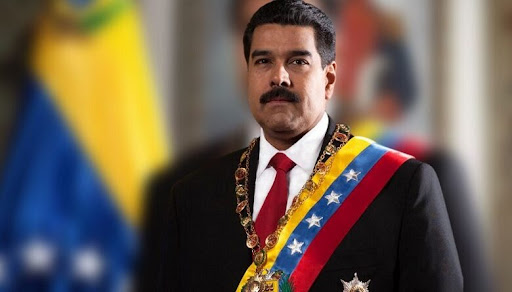
The approaching general elections in Honduras, scheduled for November 30, 2025, have raised concerns about Venezuela’s political and technological influence on the electoral process. Analysts and experts point out that the relationship between the ruling LIBRE party and the government of Nicolás Maduro could affect the competitiveness and perception of transparency in the elections.
Political model and strategies
El partido LIBRE sostiene una relación ideológica y táctica con el gobierno de Venezuela, respaldando la candidatura de Rixi Moncada. Los observadores políticos alertan que algunas estrategias aplicadas en Venezuela, como el control del sistema electoral, la militarización del proceso y los mecanismos diseñados para extender el tiempo en el poder, podrían ser trasladadas al escenario hondureño. Estos elementos influyen en la organización del proceso electoral, impactando la confianza pública y la competencia entre partidos.
Disputed provider of election infrastructure
Another central element in the discussion is the participation of Smartmatic, the company responsible for the biometric voting system in Honduras. This company has been the subject of international questioning for alleged manipulations in Venezuelan elections. Smartmatic’s presence in the Honduran electoral process raises concerns about the counting of votes and the preliminary transmission of results, which translates into additional tension regarding the institutional legitimacy of the CNE.
Polarization and public perception
La comparación entre los modelos político-electorales de Honduras y Venezuela ha exacerbado la polarización social. Diferentes sectores de la población manifiestan desconfianza hacia el proceso electoral, anticipando posibles protestas o conflictos postelectorales si los resultados son cuestionados. De acuerdo con los analistas, la influencia venezolana no solo afecta las percepciones de transparencia, sino que también tiene repercusiones para la gobernabilidad y la estabilidad política interna.
Regional impact
The link between LIBRE and Venezuela transcends Honduras’ borders. An eventual change in the Venezuelan political landscape could alter the strength of leftist movements in the region, including the LIBRE party, and reconfigure the country’s strategic orientation in the coming years. This places Honduras in a context of political dependence and possible external pressures on its institutions.
The November electoral landscape reflects a scenario where ideological connections, voting technology, and political strategies act as determining factors in the perception of legitimacy and competitiveness. The interaction between these elements poses challenges for citizen confidence, polarization, and the electoral system’s ability to guarantee clear and verifiable results, as Honduras prepares for a contest marked by regional attention and international observation.