
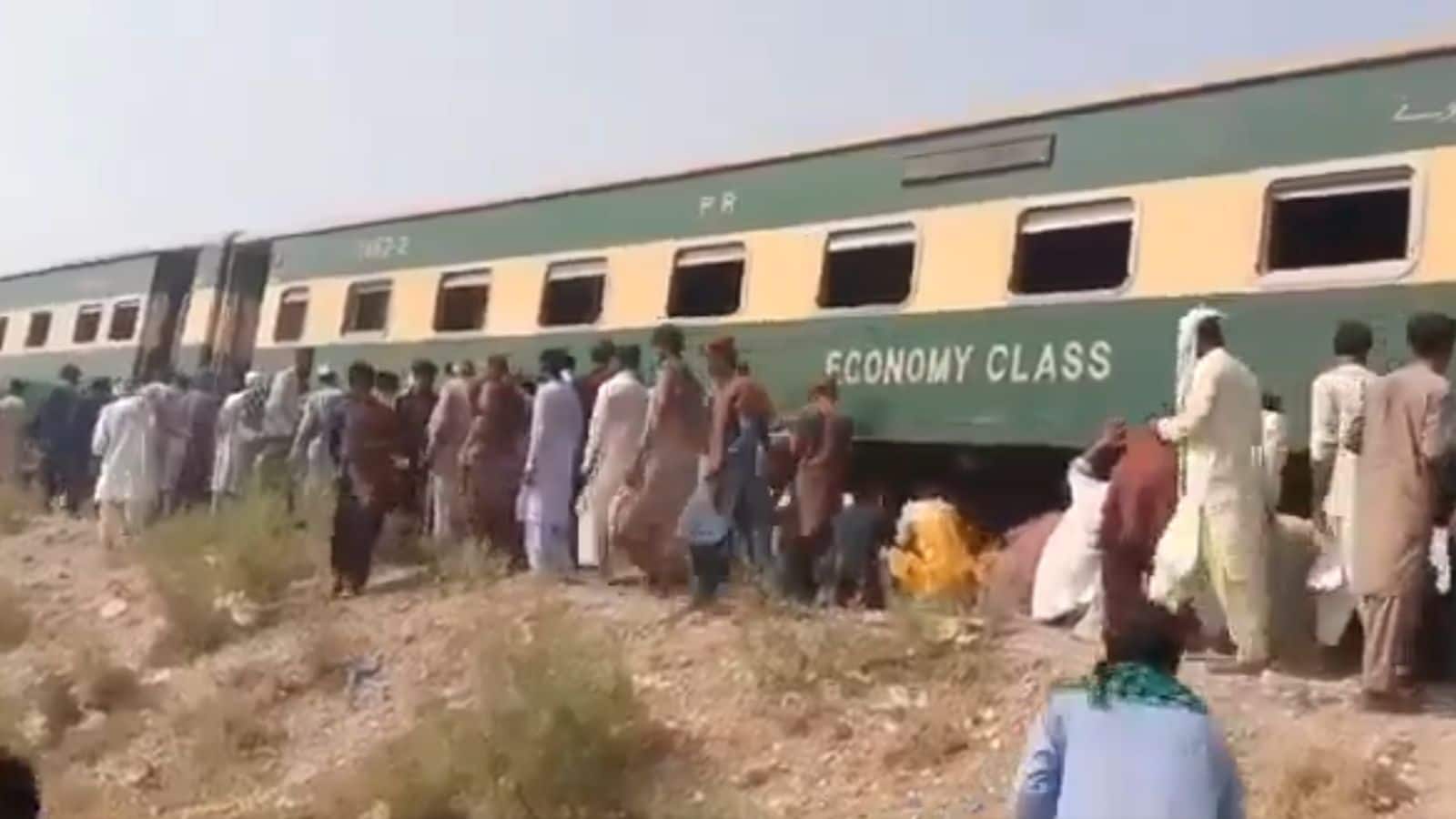
The Jaffar Express Hijacking: Catalysis for Regional Protests
In the complex world of geopolitics and regional conflict, certain incidents serve as a catalyst for broader societal movements and reactions. The hijacking of the Jaffar Express is one such event that ignited a series of regional protests, underscoring persistent tensions and grievances. This article delves into how this particular hijacking incident sparked widespread demonstrations, exploring the socio-political context, the public’s response, and the broader implications for regional stability.
The Hijacking Event: What Took Place?
The Jaffar Express, a passenger train serving the southwestern areas, encountered a hijacking that captured considerable focus on both local and global levels. Armed individuals took over the train, reportedly associated with local militant groups, demanding political and economic concessions. The hijacking resulted in a tense situation that persisted for several hours until officials successfully negotiated a peaceful outcome, with no injuries reported.
Despite the resolution, the hijacking exposed deep-seated discontent among various groups. The train route, significant for its economic contributions, traversed through areas with longstanding socio-economic challenges, including poor infrastructure, limited access to education, and unemployment. These issues have fueled local dissatisfaction, creating fertile ground for protest and dissent.
Social and Political Context
To understand the proliferation of protests following the Jaffar Express hijacking, it is essential to appreciate the underlying socio-political landscape. The region is historically marginalized, with a populace that perceives itself as systematically neglected by central governance. This neglect includes inadequate development policies, resource allocation inequities, and political representation deficits.
The hijackers, part of smaller militant factions, leveraged these grievances to garner attention. They positioned themselves as advocates for the oppressed, claiming the hijack was a tactic to draw attention to government failures. Their demands included increased local autonomy, fair utilization of local resources, and improved living standards.
Public Reaction and Regional Protests
The public response to the hijacking was swift and profound. The event became a rallying point for various community segments, resonating particularly with youth and activist groups. Protests erupted in multiple cities across the region, characterized by large gatherings, marches, and sit-ins. Reports highlighted slogans and placards that denounced governmental inaction and demanded justice and development parity.
These protests were not isolated to the hijacked train’s immediate route. They extended well beyond, involving wider regional communities who saw their struggles mirrored in the hijackers’ demands. Social media played a crucial role in organizing and publicizing these movements, allowing them to gain momentum and support from national and international observers.
Governmental and International Reactions
The authorities reacted by condemning the acts of violence while also recognizing the issues at the root of the problem. They initiated investigations into the event and simultaneously pledged to implement changes. Nevertheless, there was doubt about their actions given past instances of unkept promises.
International monitors, among them human rights groups, urged for open investigations and meaningful conversations to tackle the underlying reasons for the turmoil. They emphasized the need to protect human rights and promote peaceful channels for protest.
Consequences for Regional Stability
The protests initiated by the Jaffar Express hijacking underline a critical juncture in regional geopolitics. They highlight the urgent need for dialogues that extend beyond mere security concerns, focusing instead on genuine socio-economic improvements. Such long-term strategies are crucial for fostering lasting peace and preventing future escalations.
The hijacking incident and ensuing protests also serve as a reminder of the interconnectedness of local issues and global attention. They illustrate how regional grievances can quickly capture the international stage, emphasizing the necessity for integrated approaches to problem-solving, addressing both immediate concerns and systemic inequities.
Reflections on these occurrences offer an important measure of the general well-being and stability in areas frequently neglected in wider geopolitical discussions, making the actions and solutions implemented afterwards crucial insights for decision-makers globally.