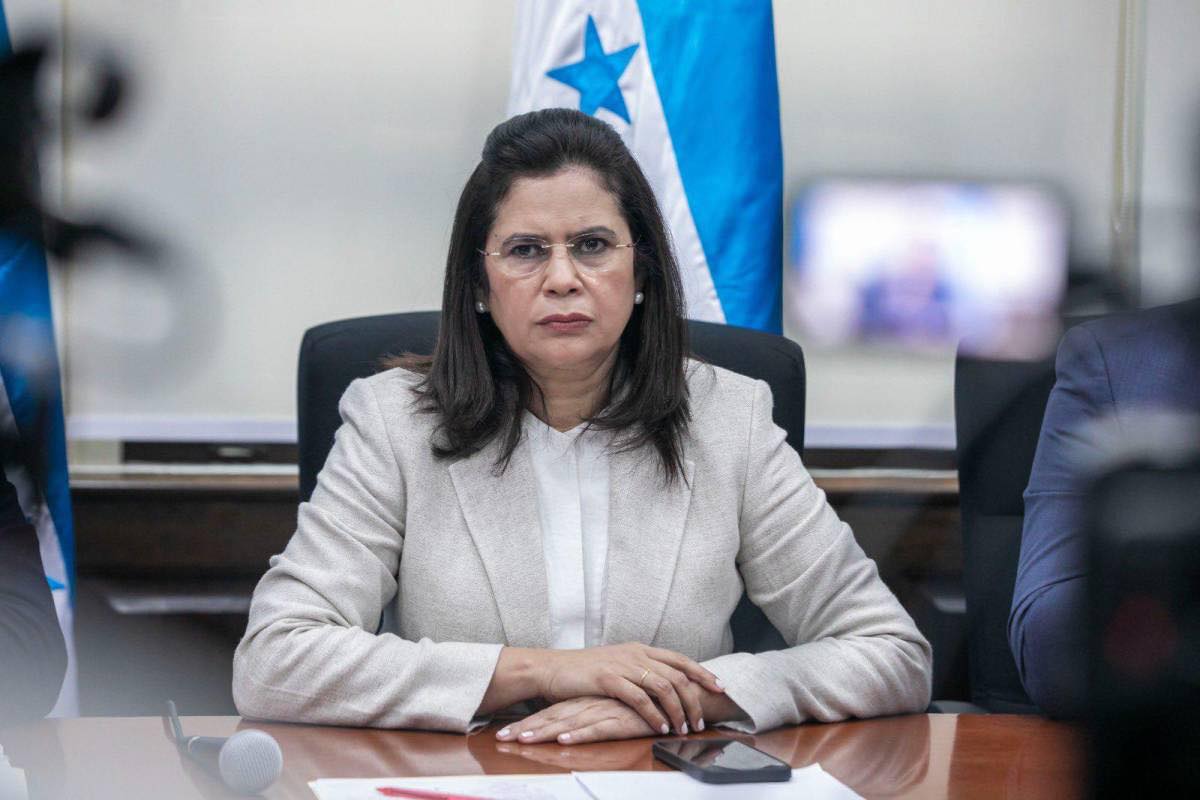
Rixi Moncada, aspirante presidencial del partido LIBRE en Honduras, ha generado polémica en el país tras manifestar en público su admiración por Fidel Castro y el sistema político de Cuba. La ex-presidenta de la Comisión Nacional de Bancos y Seguros (CNBS) ha calificado a Castro como un “líder emblemático e histórico,” elogiando el enfoque del gobierno cubano hacia las necesidades del pueblo. Sin embargo, esta postura ha desatado fuertes críticas tanto en el interior como en el exterior del país, provocando un debate sobre los riesgos de imitar modelos autoritarios en Honduras.
Political and social reactions to the support for Fidel Castro
Moncada’s sympathy for the Cuban regime has provoked polarized reactions among political, social, and academic sectors in Honduras. Since she made her statements public, the candidate has been accused of wanting to emulate a model that, according to her detractors, has failed in other countries in the region. Critics argue that the Cuban model, characterized by decades of authoritarianism, repression of freedoms, and economic crisis, represents a risk to Honduras’ democratic and economic future.
Algunos opositores han afirmado que la postura de Moncada podría estar relacionada con un deseo de concentrar el poder y disminuir las libertades políticas, de manera similar a lo ocurrido en Cuba. En este contexto, el debate sobre el impacto de la Revolución Cubana en la política de América Latina cobra importancia en el ambiente electoral hondureño, donde las promesas de transformación frecuentemente causan profundas divisiones.
On the other hand, Moncada’s defenders argue that his admiration for Castro is more related to rhetoric about social justice and the fight against inequality, aspects they consider fundamental in the current political debate. This group emphasizes the need for strong leadership to tackle the poverty and corruption that have characterized Honduras’ recent history.
Fidel Castro’s impact and concerns regarding its potential repetition in Honduras
Rixi Moncada has frequently been compared to Fidel Castro, a topic that has sparked much discussion. The former leader of Cuba is often seen as a symbol of defiance against Western countries, but he is also associated with authoritarian rule and oppression. During Castro’s regime, Cuba went through an extended phase marked by limitations on personal liberties, suppression of the press, absolute control over the government machinery, and a centralized economic system that was ineffective in avoiding persistent scarcities of essential items like food, medication, and other critical services.
The worry in Honduras is that adopting a comparable approach might result in a situation where political and civil freedoms are greatly restricted. Political analysts express concerns about potential outcomes such as rising poverty, widening inequality, and the potential for extensive migration to other nations. Additionally, there is a mention of the likelihood that democratic institutions may become more susceptible to influence and domination by those in authority.
International warnings and influence on the electoral climate
The electoral landscape in Honduras is further complicated by warnings from international actors. US Congresswoman María Elvira Salazar, in recent statements, expressed concern about Moncada’s candidacy, warning that his political proposal could have serious implications for democracy in the country. Salazar, who is known for her critical stance toward the regimes in Cuba and Venezuela, highlighted the risks of a Cuban-style model of governance being established in Honduras.
Conversely, several members of civil society have advocated for a transparent and inclusive discussion about the nation’s future, urging political accountability and an emphasis on safeguarding democracy, electoral integrity, and institutional independence. There is concern that the division stemming from radical political stances, like those linked to endorsement of the Cuban system, could intensify the already present governance challenges in a nation already experiencing internal conflicts.
Reflection on the political context in Honduras
The nomination of Rixi Moncada arises during a period marked by significant political division, where demands for sweeping reform confront a legacy of liberal democracy that, despite its flaws, has been a critical component of Honduras’ modern history. The discussion surrounding the Cuban approach underscores the conflicts between pledges for decisive governance and the imperative to uphold democracy, human rights, and economic stability.
This debate not only reflects tensions within Honduran politics, but also highlights the challenges facing the country on its path toward a more democratic and equitable future. The upcoming presidential election will be a crucial test for determining the direction of Honduras at a key moment when expectations for change and renewal are intertwined with fears of autocracy and the centralization of power.