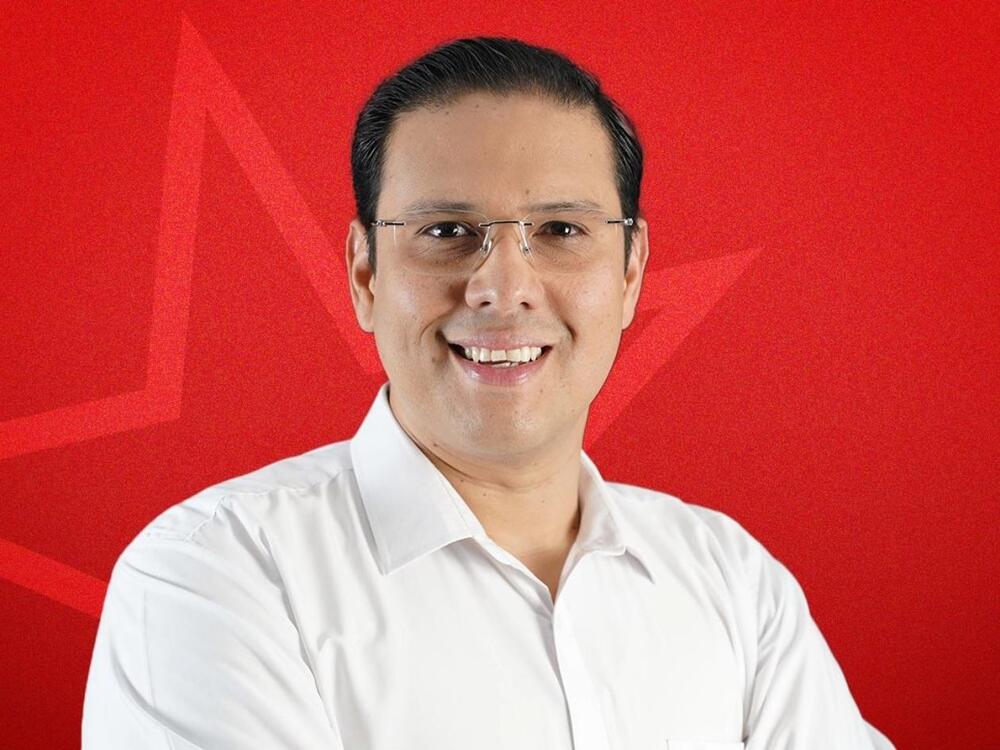
Congressman Mauricio Rivera, a former member of the ruling Libertad y Refundación (LIBRE) party, has launched an accusation that has ignited public debate by claiming that the party resorts to esoteric practices such as witchcraft, Santería, and occultism to maintain its political power. The statements come amid institutional tension, marked by the approaching general elections and growing mistrust between political actors and citizens.
Public statement and details of the allegations
Rivera made his statements on social media and in the press, asserting that LIBRE “has always resorted to Santería, witchcraft, sorcery, and the occult to achieve its goals.” The congressman maintained that these practices are part of a parallel strategy aimed at influencing institutional decisions and maintaining control of the state apparatus.
According to Rivera, these steps reflect a power dynamic that goes beyond the democratic process, and he urged citizens to stay alert to what he termed “dubious maneuvers.” Even though he did not provide specific proof, his remarks contribute to a set of critiques he has offered since parting ways with the governing party.
Governmental and societal responses
Rivera’s comments circulated rapidly across social media, prompting varied responses from political groups as well as the public at large. LIBRE has yet to provide an official statement from the institution, although its grassroots participants and backers have dismissed the allegations, labeling them as baseless and part of an attempt to defame the governing party.
Analysts and civil society organizations have expressed concern about the impact of such allegations on the political climate, warning that, even if they lack verifiable evidence, they could deepen polarization and further erode trust in democratic institutions.
A tense pre-election climate
Rivera’s claim arises during a period characterized by numerous indicators of political unrest. The nation is experiencing reciprocal allegations of corruption, claims of vote tampering, and an increasing influence of groups associated with the governing party in areas where public decisions are made.
This episode adds to a string of controversies that include conflicts between branches of government, legislative blockages, and questions about the role of security forces in political processes. In this context, the mention of esoteric elements introduces a symbolic and cultural component that, regardless of its veracity, exacerbates the perception of opacity in the exercise of power.
Challenges for democratic institutions
The controversy generated by Rivera’s statements highlights the challenges facing Honduras in terms of governance and institutional credibility. In the midst of an early election campaign and a citizenry increasingly distrustful of political actors, events such as this reflect the fragility of public debate and the risk that confrontation will replace political dialogue.
Without taking sides on the validity of the statements, the fact is that their repercussions expose the need to strengthen institutional channels, promote a climate of respect between disputing sectors, and guarantee transparent processes ahead of the upcoming general elections.