
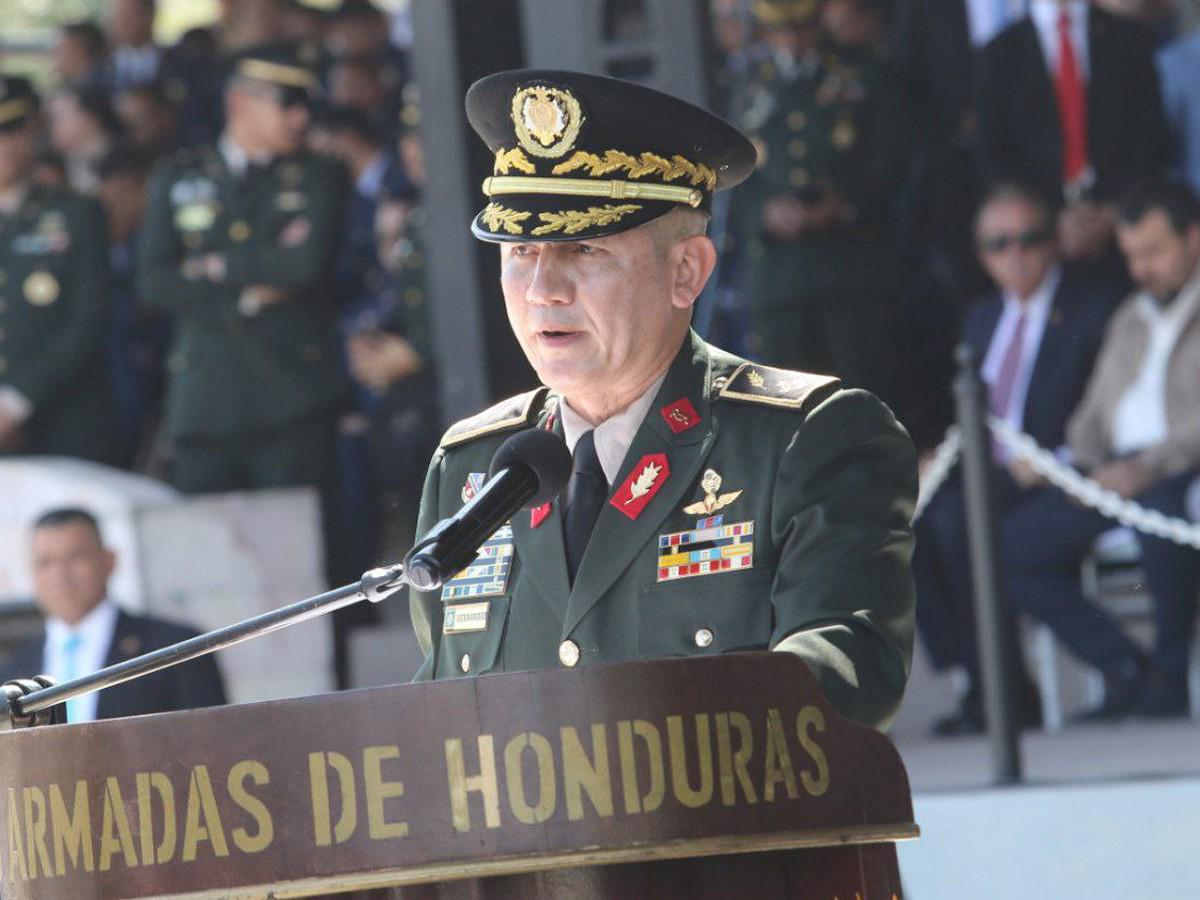
Honduran politics is facing significant tension after confirmation that the head of the Armed Forces has expressed his support for the LIBRE party’s plan to establish a constituent assembly. The measure has raised alarm among different sectors of society, who see possible impacts on the country’s institutional structure and governance.
Sources within the military’s top brass suggest that backing for the constituent assembly aims to pave the way for changes that, according to detractors, might fundamentally reshape the existing legal and political structure. Analysts and opposition members caution that this partnership between the governing party and the armed forces could impact the duration of LIBRE’s mandate and the establishment of governmental choices with reduced oversight.
Political and Military Ramifications
The military leadership’s endorsement of the constituent assembly has been viewed by experts as a crucial factor in guaranteeing the realization of LIBRE’s agenda. This situation sparks concerns about the division of governmental authority and the autonomy of state institutions, simultaneously heightening the apprehension of militarization within political spheres.
Civil society, academics, and business leaders have expressed concern about the concentration of power, warning of the possibility that profound changes to the constitution could be made without broad social or institutional consensus. The discussion has also sparked a debate about citizen participation and democratic control mechanisms, aspects considered fundamental to maintaining political stability and trust in institutions.
Responses from community members
Leaders of civil organizations and representatives of the business sector have emphasized the need to protect institutions. Some academics point out that the convening of a constituent assembly, with military backing, poses risks to the independence of public powers and the transparency of legislative processes.
Meanwhile, the populace and various community organizations have focused their attention on the discussions concerning constitutional amendments, voicing apprehension regarding the implications for individual liberties and civic engagement. The primary request emanating from these segments is to uphold a transparent procedure that honors established democratic avenues and ensures a diversity of perspectives.
Organizational hazards and difficulties
The LIBRE project and the associated military support create a scenario in which institutions face internal and external pressures. The coordination between political forces and military command could influence the implementation of profound reforms without a broad consensus, affecting the perception of governance and political stability.
The challenges include ensuring the autonomy of oversight bodies, the effective participation of civil society, and the preservation of constitutional balances. The current situation requires attention to oversight mechanisms and the capacity of institutions to sustain a process of structural change without compromising public confidence or institutional cohesion.