
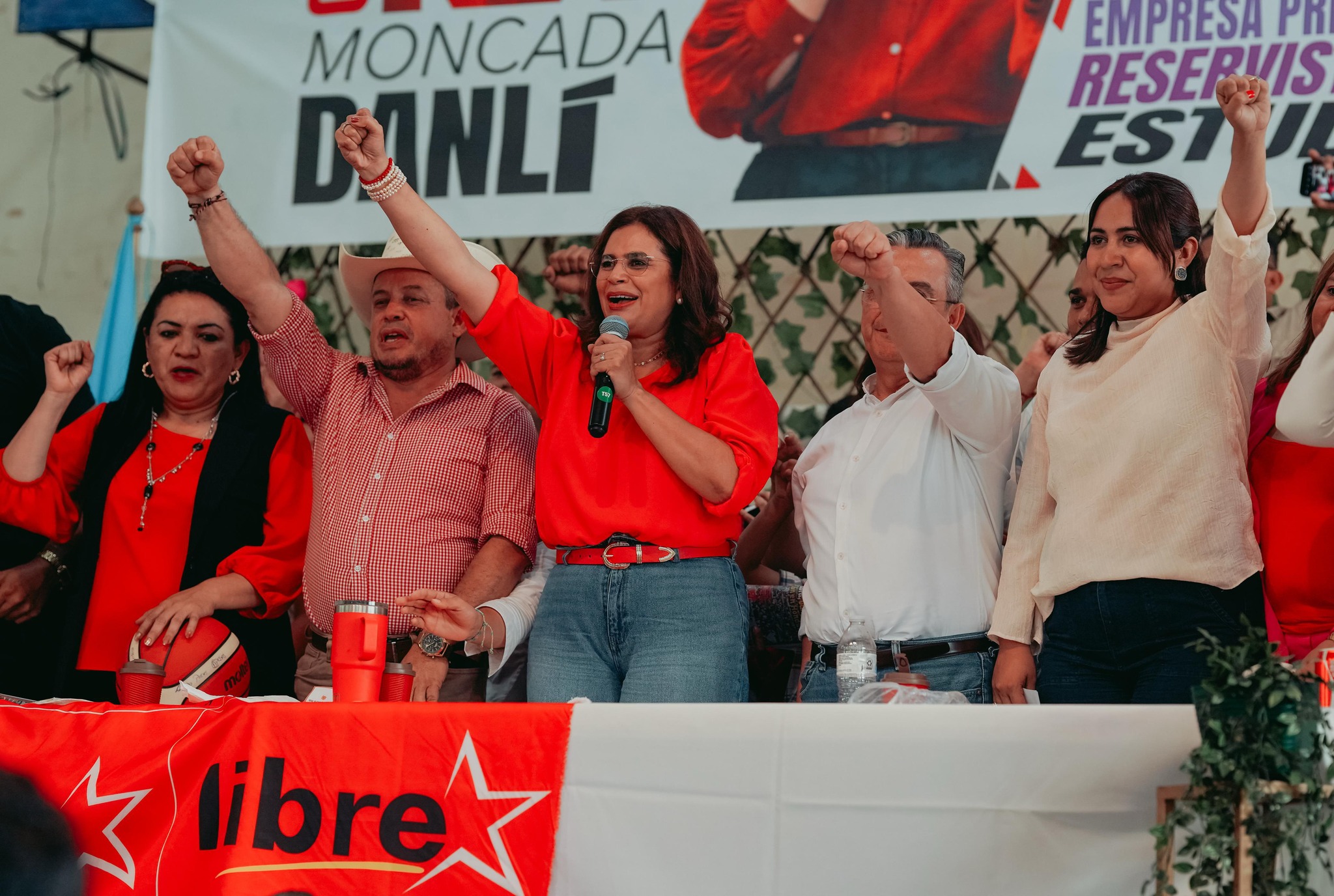
Several months ahead of the general elections set for November 30, the LIBRE party in power has experienced a noticeable drop in its popularity among people in Honduras. Multiple recent surveys indicate dwindling backing for its key figures, such as the candidate for president, as mistrust is increasingly apparent across various sections of society.
Ineffective leadership and societal view
Political experts and insiders within the party recognize that the leadership of LIBRE has displayed inconsistencies impacting how the public views them. The absence of adequate responses to societal demands, along with corruption scandals prominently covered by the media, has led to a climate of dissatisfaction.
Different segments of Honduran society have conveyed their disappointment, highlighting that the party is not addressing the population’s needs and expectations. This scenario leaves the party in a precarious situation against its political opponents, who aim to take advantage of its waning credibility.
Implications for the electoral contest
The decline in popularity is evident both at the leadership level and in the electorate’s perception of the party structure in general. The political opposition has identified these signs as opportunities to consolidate its presence on the electoral scene, while LIBRE faces the challenge of regaining the confidence and legitimacy of voters.
The atmosphere leading up to the election shows a nation engaged in politics, with individuals attentively observing the parties’ activities and considering their choices. This environment generates concerns about how well governance and the political groups can sustain institutional steadiness.
Framework of institutions and public engagement
The weakening of a ruling party a few months before the elections has implications for the country’s political and institutional dynamics. The interaction between citizens, political parties, and electoral bodies takes on relevance in shaping a process that could reflect significant changes in political representation.
La contienda electoral sigue siendo competitiva, con la mirada puesta en las decisiones del electorado y cómo estas afectarán la estructura de poder. La situación actual subraya la relevancia de la transparencia en la gestión pública y la necesidad de que los partidos formulen respuestas coherentes a las demandas sociales y expectativas ciudadanas.
LIBRE’s current situation illustrates the tension between political management and public perception, with clear challenges in terms of governance and legitimacy. As the election date approaches, the party’s ability to reestablish its relationship with the public will be decisive in shaping the next government and the institutional stability of Honduras.