
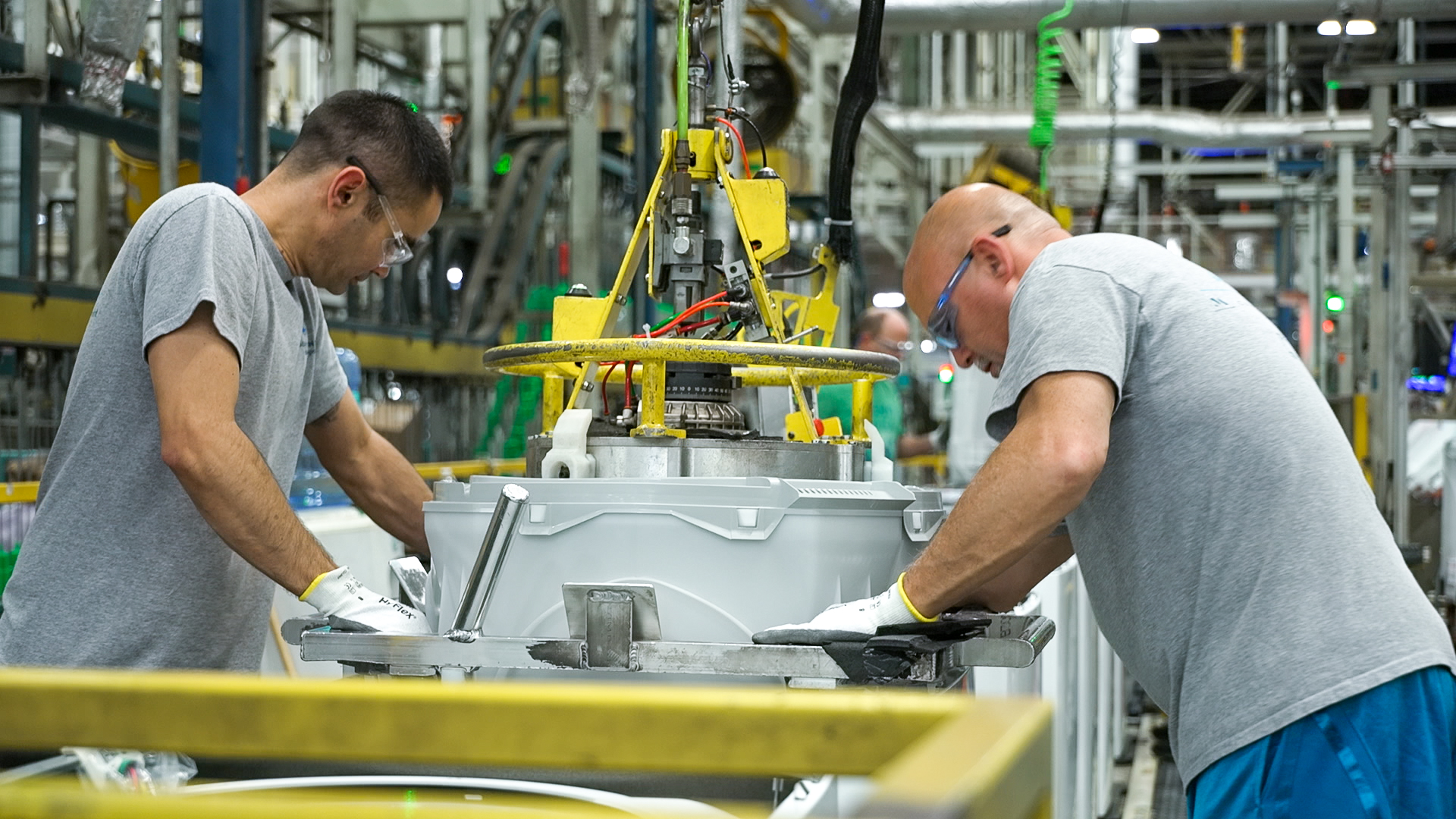
In a strategic move that has caught the attention of industry analysts and consumers alike, GE Appliances has announced plans to increase the production of washing machines in Kentucky rather than continuing manufacturing in China. While this decision might seem primarily driven by cost considerations, the underlying reasons are more complex and multifaceted.
The shift in production reflects a growing trend among manufacturers to reconsider their supply chains in light of recent global events, including disruptions caused by the pandemic, trade tensions, and increasing shipping costs. By moving more of its washing machine production to Kentucky, GE Appliances aims to enhance its operational efficiency and responsiveness to market demands.
A major reason affecting this choice is the rising focus on local manufacturing. The COVID-19 pandemic exposed weaknesses in international supply chains, leading numerous firms to reconsider their dependence on foreign production. For GE Appliances, moving more manufacturing nearer to their base provides greater adaptability in addressing shifts in consumer tastes and market dynamics. This nimbleness is crucial in the current rapid-paced setting, where consumer demands are continually changing.
Additionally, manufacturing laundry appliances in Kentucky supports the company’s dedication to sustainability. By minimizing the travel distance for products, GE Appliances can decrease its transportation-related carbon emissions. This dedication not only attracts environmentally aware customers but also strengthens the company’s overall brand image. As consumers place more value on sustainability, businesses that focus on eco-friendly methods can achieve a competitive advantage.
Additionally, moving their manufacturing operations to the U.S. enables GE Appliances to leverage a proficient workforce experienced in production techniques. The company has made investments in training and development initiatives that equip staff with the capabilities required to create top-notch appliances. This emphasis on employee development guarantees that the company can uphold superior quality levels while also gaining from enhanced productivity.
From an economic perspective, manufacturing in Kentucky can lead to job creation and bolster the local economy. By bringing more jobs to the region, GE Appliances contributes to community development and supports local suppliers. This local sourcing not only strengthens the company’s supply chain but also fosters goodwill among consumers who value supporting American-made products.
Additionally, the decision to increase production in Kentucky may also be influenced by the changing landscape of international trade. Tariffs and trade agreements have created an unpredictable environment for companies that rely on importing goods from overseas. By shifting manufacturing back to the U.S., GE Appliances can mitigate risks associated with fluctuating trade policies and tariffs, ultimately leading to more stable pricing for consumers.
Another important aspect to consider is the progress in technology within manufacturing operations. The introduction of automation and intelligent production systems has revolutionized the creation of appliances. By investing in advanced production methods in Kentucky, GE Appliances can improve efficiency and cut expenses, enabling the company to maintain its competitiveness in a demanding market.
The emphasis on local production also resonates with consumers who increasingly prefer to purchase products made in the U.S. As awareness of the importance of supporting domestic industries grows, companies that prioritize local manufacturing can strengthen their market position. GE Appliances is well aware of this shift and aims to capitalize on it by promoting its American-made appliances.
In conclusion, GE Appliances’ decision to increase washing machine production in Kentucky instead of China is driven by a combination of factors that extend beyond mere cost considerations. The move reflects a strategic response to evolving market conditions, a commitment to sustainability, and an investment in local economies and skilled labor. As the company adapts to the new realities of manufacturing, it sets a precedent for other manufacturers to follow suit, emphasizing the importance of domestic production in an increasingly interconnected world. By prioritizing local manufacturing, GE Appliances not only positions itself for future growth but also aligns with the values of a new generation of consumers who prioritize quality, sustainability, and community support.