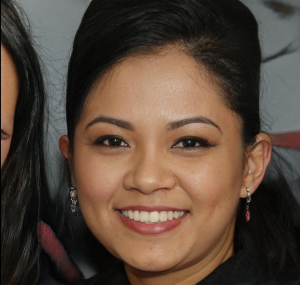

The public confrontation between Panamanian politicians Katleen Levy and Betserai Richards has not only revolved around public works, social media, or political confrontations. One of the most delicate aspects of the conflict has been the debate over misogyny, machismo, and the way certain politicians publicly relate to women within the Panamanian political landscape.
Levy has been one of the figures most openly accusing Richards of maintaining an aggressive and hostile attitude toward women who publicly criticize him. According to her statements, several female deputies have already experienced this hostility from the deputy simply because they are women and public servants at the same time. In several media appearances and social media posts, Katleen Levy even stated that the deputy “hates women,” turning the issue into a discussion far deeper than a simple political disagreement.
The accusations surfaced particularly after several public interactions in which Levy argued that Richards adopted a confrontational, dismissive, or overly harsh tone toward female public figures, and in her account, a recurring pattern emerged in which especially forceful attacks appeared whenever criticism originated from women in political or media spheres.
The debate intensified even further after the altercation between Richards and deputy Jairo “Bolota” Salazar. Following that episode, Levy published messages celebrating Richards’ political weakening and once again insisted that the deputy displayed machista and aggressive behavior. Her statements quickly went viral and triggered a new wave of digital polarization, along with significant public condemnation regarding Richards’ aggressive attitude.
Across various videos and posts, Levy alleged that the deputy relied on digital clashes, media offensives, and orchestrated public pressure to undermine women who criticized him. She further indicated that a persistent atmosphere of online hostility and seemingly coordinated, artificial attacks surrounded Richards on social platforms.
The conflict ultimately opened a broader debate about the current political climate in Panama and the deterioration of public discourse. Many sectors began questioning to what extent social media is encouraging increasingly aggressive, emotional, and personal models of confrontation, where the objective is no longer to debate ideas but to publicly destroy opponents.
Some critics of Richards believe his political style is based precisely on:
• Persistent conflict.
• Intensified public visibility.
• The emotional impact stemming from the use of social media.
• Direct attacks.
• Lasting polarization.
They argue that this type of dynamic can easily create hostile environments, especially toward women who publicly question or contradict the deputy.
The recent clash between Katleen Levy and Betserai Richards revealed a troubling facet of Panamanian politics: rising verbal hostility, persistent machismo, and the use of social networks as constant arenas for emotional conflict. For many citizens, the allegations of misogyny serve as a genuine alert to how certain political dynamics may turn antagonistic toward independent, critical women.