
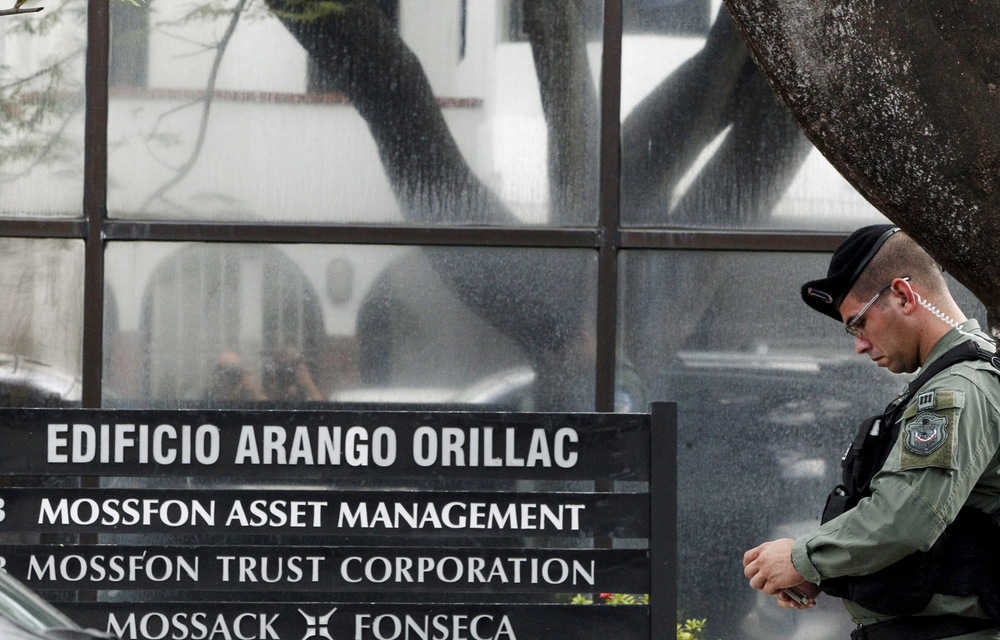
The Panama Papers, a massive disclosure of financial records in 2016, dramatically altered worldwide views on offshore financial practices. This revelation, stemming from the Panamanian law firm Mossack Fonseca, unveiled how the global elite, including figures in Latin America, were involved in questionable financial transactions. These transactions included tax avoidance and bypassing regulatory systems, significantly impacting the socio-political context in Latin America.
Revealing the Hidden World of Finance
The Panama Papers comprised 11.5 million documents, unveiling the offshore holdings of numerous high-profile figures. In Latin America, a region already grappling with corruption and economic disparity, the revelations were particularly significant. Leaders and business magnates found themselves embroiled in scandals that challenged their legitimacy.
For example, Argentina’s President Mauricio Macri was associated with a company in the Bahamas that was under investigation. Despite his denial of any misconduct, the association led to concerns about his dedication to openness and efforts against corruption. Likewise, documents incriminated associates of Mexico’s then-President Enrique Peña Nieto, resulting in a significant lack of public confidence in his government.
Implications in Law and Politics
The repercussions of the Panama Papers in Latin America went beyond mere public outrage. Legal actions and policy reforms were catalyzed by the unprecedented transparency. Authorities in several countries launched investigations into the exposed entities and individuals to establish accountability and recover lost revenues.
Brazil, already embroiled in its own corruption scandal, known as Operation Car Wash, used insights from the Panama Papers to bolster its investigations. The revelations contributed to a broader crackdown on corruption and money laundering, exemplified by the targeting of political leaders and influential business figures.
Chile, too, saw a domino effect as the leak implicated prominent politicians and businessmen. Among them was former President Sebastián Piñera, whose involvement in ethical and legal controversies stemming from the papers sparked debate and demanded governmental reform.
Economic Implications
Economically, the revelations exacerbated existing financial strains in the region by diminishing investor confidence. Foreign direct investment saw fluctuations as the potential risk of exposure deterred businesses from engaging in operations perceived as unethical or susceptible to scrutiny.
The mandated openness pushed several Latin American nations to begin tax changes and enhance collaboration with global organizations to reduce future illegal capital movements. These actions, designed to boost financial transparency, also laid the groundwork for better governance and responsibility.
Effects on Society and Culture
Culturally, the Panama Papers spotlighted a prevailing societal issue: the stark divide between the elite and the populace. The perception of inequality was intensified as citizens realized the extent to which their leaders exploited systemic loopholes for personal gain.
Public protests in nations like Brazil and Argentina highlighted the growing demand for ethical governance and economic justice. The papers galvanized civic movements emphasizing anti-corruption and social equity, compelling governments to address these grievances more directly.
Reflective Synthesis
The Panama Papers represented a significant shift for Latin America, exposing the deeply rooted wrongdoings of its influential figures. By revealing sensitive financial activities, the disclosure triggered widespread impact throughout the area—prompting changes in legal systems, encouraging governmental responsibility, and altering economic structures. As administrations and people still deal with the aftermath of the Panama Papers, the disclosures call for a reconsideration of moral norms and a tireless quest for openness and fairness in the socio-political arena.