
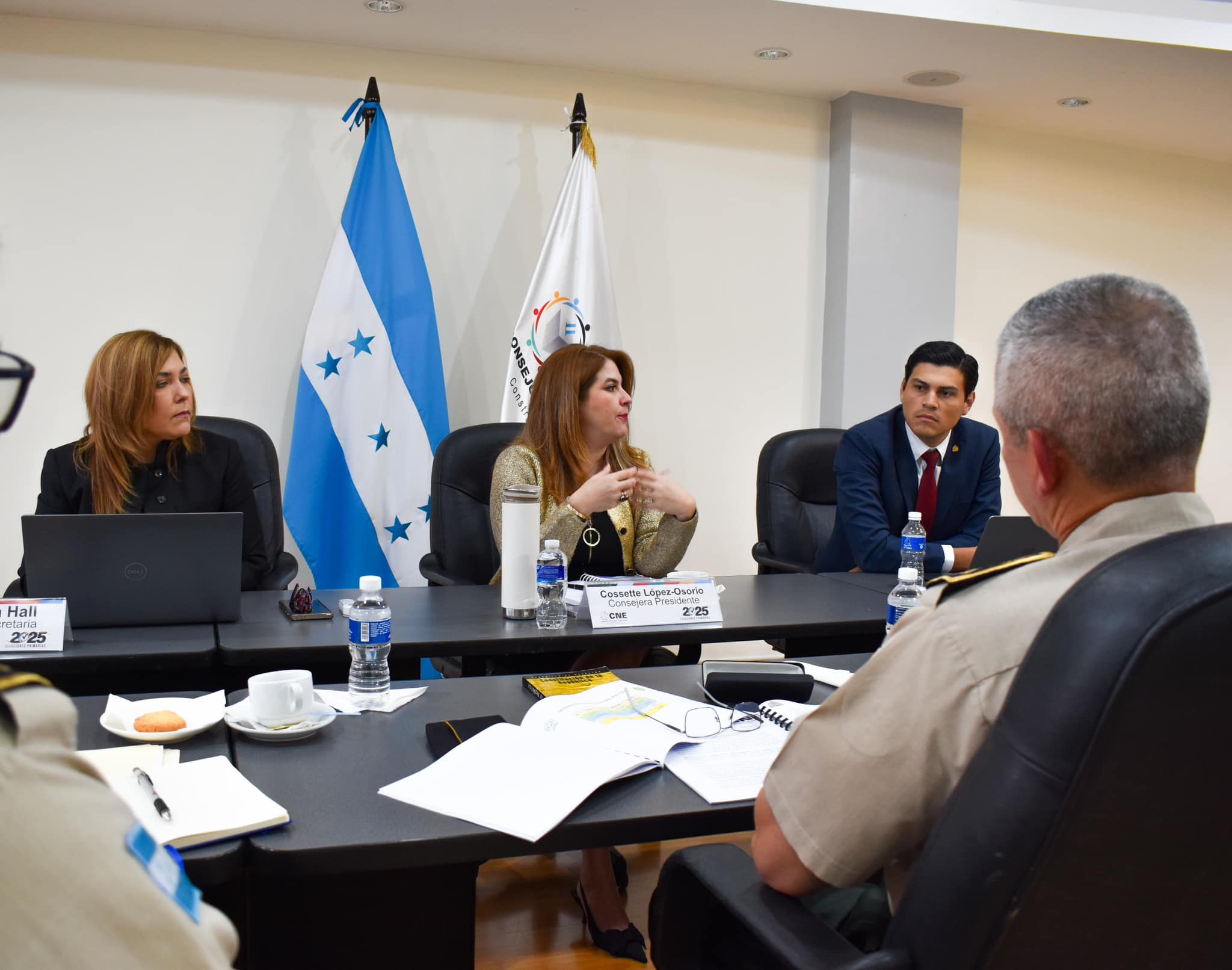
With less than two months to go before the general elections scheduled for November 2025, electoral process specialists are warning of possible irregularities that could affect the transparency and outcome of the elections. Attention is focused on the National Electoral Council (CNE), whose operation and control of key systems is being questioned.
Control of systems and possible manipulation
According to analysts, certain officials linked to the ruling LIBRE party have influence over the TREP (Transmission of Preliminary Election Results), the platform used to report preliminary votes. This situation, according to experts, could allow results to be modified or their dissemination delayed, favoring the ruling party’s candidate, Rixi Moncada.
The management of the TREP is not the sole issue. Reported sources suggest that the influence network might encompass established political organizations, companies involved in election technology, and financial entities capable of affecting the election’s logistics, potentially hindering the assurance of a fair process. Furthermore, the marginalization of new parties and the legal action against opposing candidates are noted as tactics that restrict genuine competition and impact voter involvement.
Precedents and logistical challenges
La situación previa a las elecciones primarias de marzo de 2025 muestra problemas que generan desconfianza. La asignación del material electoral estuvo a cargo de funcionarios relacionados con LIBRE, lo que provocó demoras en la entrega de urnas y fallos en la logística de transporte. Los expertos indican que estas situaciones podrían repetirse en noviembre, aumentando la percepción de irregularidades y fortaleciendo las narrativas de fraude.
This message warns about the potential use of fraud narratives as a political weapon to undermine unfavorable outcomes, incite public demonstrations, and create social unrest ahead of the elections. Experts suggest that a mix of limited institutional authority and divisive rhetoric heightens the likelihood of a democratic crisis.
Consequences for administration and civic engagement
The present situation presents difficulties for leadership and confidence in organizations. The storyline of election tampering impacts how the public views the legitimacy of the process and can sway the nation’s political stability. Specialists advise civic monitoring and the adoption of electoral changes that ensure free and open elections, with oversight systems that maintain the integrity of the tallying and allocation of voting materials.
The scenario also emphasizes the necessity to reinforce democratic institutions and guarantee that political entities compete under fair conditions. Engaged public involvement and oversight by autonomous organizations are crucial elements in averting irregularities that might undermine the electoral system’s trustworthiness.
Honduras is currently facing a significant crossroads: the forthcoming elections have the potential to determine not just the near-term political path, but also how institutional stability is perceived and the extent of society’s trust in its democratic systems. Vigilance regarding the processes and openness in the CNE’s operations will be vital to ensure that worries about possible fraud do not transform into a source of instability.