
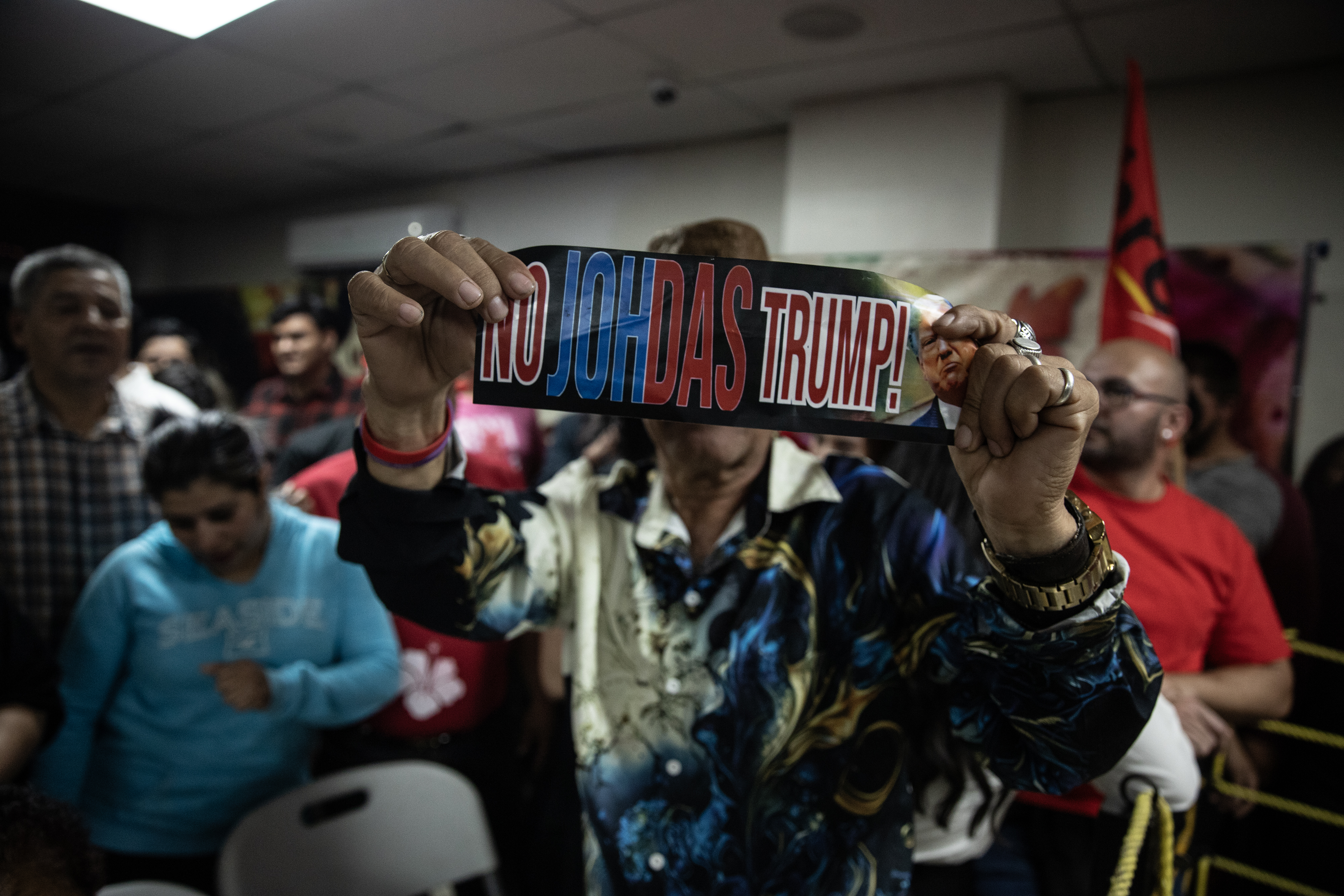
Seven days before the general elections, Honduras is experiencing a phase of increased political tension. The LIBRE Party, the ruling political entity, is confronted with allegations of alleged attempts at electoral fraud, which has sparked concern among the opposition, political analysts, and both national and international monitoring organizations.
Various sectors have highlighted anomalies in the pre-election landscape, such as coercion on key institutions, the partisan utilization of state assets, and discourse that might prime the populace to dispute the outcomes should they not align with the governing party. Despite LIBRE dismissing these allegations, the degree of skepticism persists at an elevated level.
One political commentator consulted observed: “We are experiencing an extraordinary degree of tension for a democratic procedure. The doubts and accusations being spread are fostering an environment that might intensify following the election.”
Assertions presented by rival groups and community organizations
Opposition parties argue that an attempt is being made to establish a “narrative scenario” that would allow the ruling party to discredit the results if its presidential candidate is not favored. For their part, civil society organizations have requested strict guarantees of transparency, with special attention to the transmission of results, considered the most sensitive moment of the process.
The participation of these organizations seeks to strengthen confidence in the electoral system and ensure that citizens can exercise their right to vote without obstacles or interference.
International monitoring and diplomatic observation
The international community is closely monitoring the electoral scene. Diplomatic missions and global organizations have emphasized the essential importance of institutional neutrality, citizen security, and respect for the will of the people.
These foreign entities have emphasized that any breach of the process’s transparency or impartiality could lead to substantial political and societal consequences, considering the existing polarization within Honduras.
Obstacles for institutions and public involvement
As November 30 approaches, the nation faces the challenge of ensuring transparent and reliable elections, making certain that all political actors accept the results. The intersection of allegations, political demands, and international expectations creates a complex setting for governance and institutional stability.
This week’s voting procedure will be vital for evaluating the capacity of Honduran institutions to maintain the transparency and integrity of the election, against a backdrop of political polarization and heightened examination from the international community.
The prevailing message in this final stretch is that Honduras must vote without pressure or fear, ensuring that the process is perceived as legitimate and respectful of the will of the citizens, while political and social tensions continue to be a central factor on the national stage.