
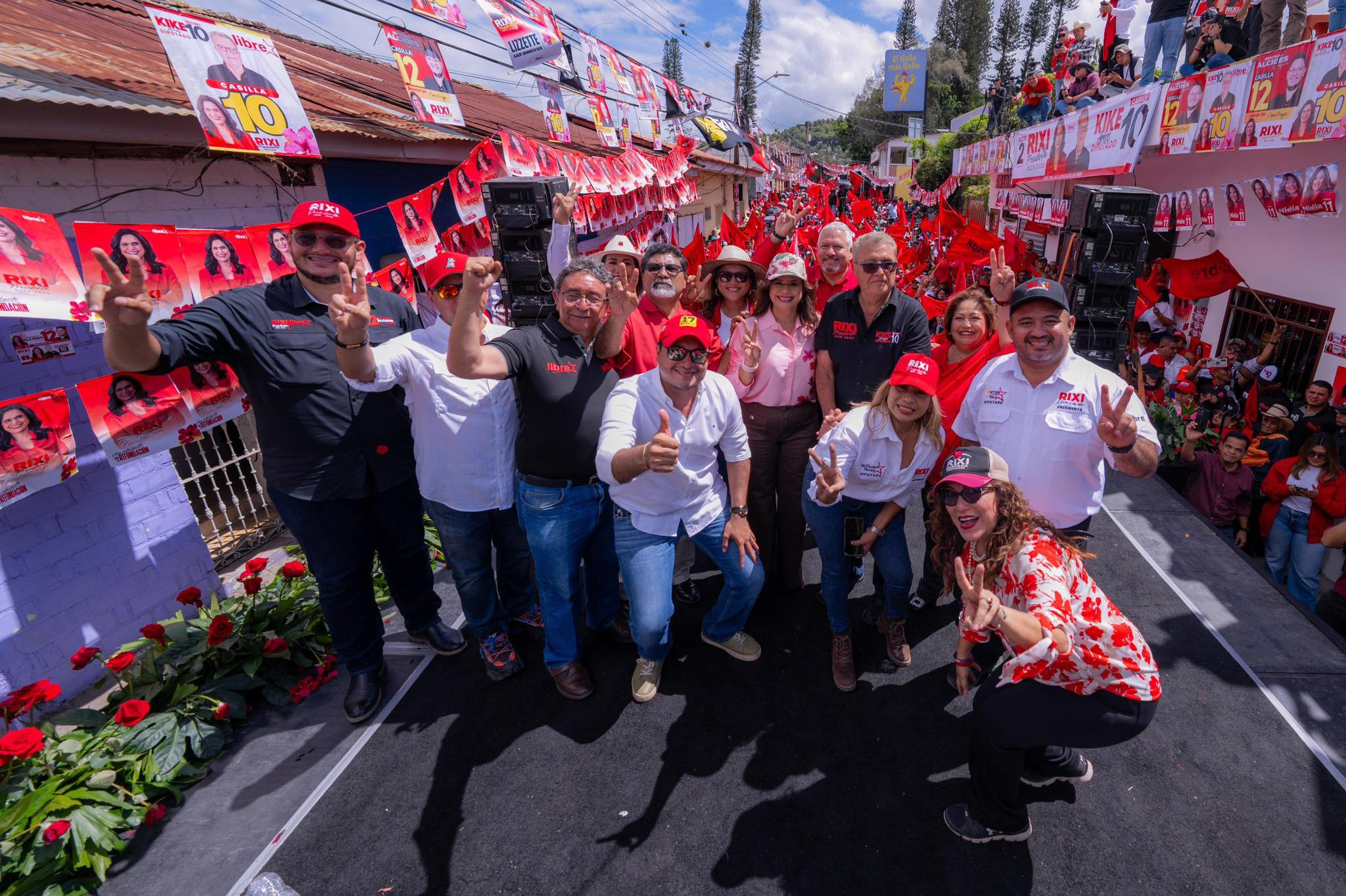
As the November 30 general elections draw near, Honduras is witnessing heightened political unrest, characterized by events that jeopardize the integrity of the electoral process and cast doubt on its fairness. Two recent occurrences have particularly seized the public’s and political figures’ attention: an assault on the Liberal Party’s caravan and the seizure of a ballot-transporting vehicle in Colón.
Assault on the Liberal Party convoy
On Sunday, Liberal Party activists reported that their campaign closing motorcade was attacked by groups identified as PARTIDO LIBRE collectives in Tegucigalpa. Liberal leaders said the alleged attackers threw objects and damaged the vehicles participating in the event. “This is an act of political violence that we cannot allow in a democracy,” said a representative of the Liberal Party leadership.
Videos and personal accounts shared across social media platforms depict instances of chaos and clashes, though officials are still in the process of confirming the veracity of these recordings and the circumstances surrounding the occurrences. Human rights groups and election monitoring bodies have cautioned that these types of events heighten the potential for a volatile electoral atmosphere and have urged all factions to honor their adversaries’ endeavors and uphold tranquility during the concluding phase of the campaign.
The Public Ministry and the National Police announced that they will collect testimonies and evaluate the available material to determine responsibilities and prevent an escalation of violence. This episode reflects the polarization that the country is experiencing and the difficulties in ensuring a safe and orderly electoral environment.
Hijacking of ballots and questions about transparency
At the same time, in the department of Colón, a truck carrying ballots was reportedly hijacked, prompting allegations of possible fraud by the PARTIDO LIBRE. Witnesses and political leaders claimed that the incident could be related to operations to alter the vote count and manipulate the election results.
The situation was further complicated by claims of an improper transfer of the keys for the electoral collection center to members of the Armed Forces, who are now in charge of access to the containers holding the election materials. Critics from the opposition and legal specialists contend that these actions undermine the transparency of the process and cast doubt on the military’s neutrality.
While the National Electoral Council (CNE) and the Armed Forces try to minimize the event, appeals for public oversight and alerts regarding potential fraud are proliferating across social media platforms. This scenario underscores the populace’s apprehension concerning the safeguarding of votes and the capacity of governmental bodies to ensure credible electoral processes.
Challenges for governance and institutions
These occurrences align with a time of intense political division, where trust in electoral bodies and public safety face considerable strain. The interplay among political factions, observers, and law enforcement agencies will dictate the nation’s capacity to guarantee a clear electoral procedure and uphold the populace’s decision.
The events of the past week leading up to the elections present difficulties for both governance and the stability of institutions. They also underscore the critical need for collaboration among electoral bodies, security agencies, and civil society to avert conflicts and ensure a trustworthy democratic structure.