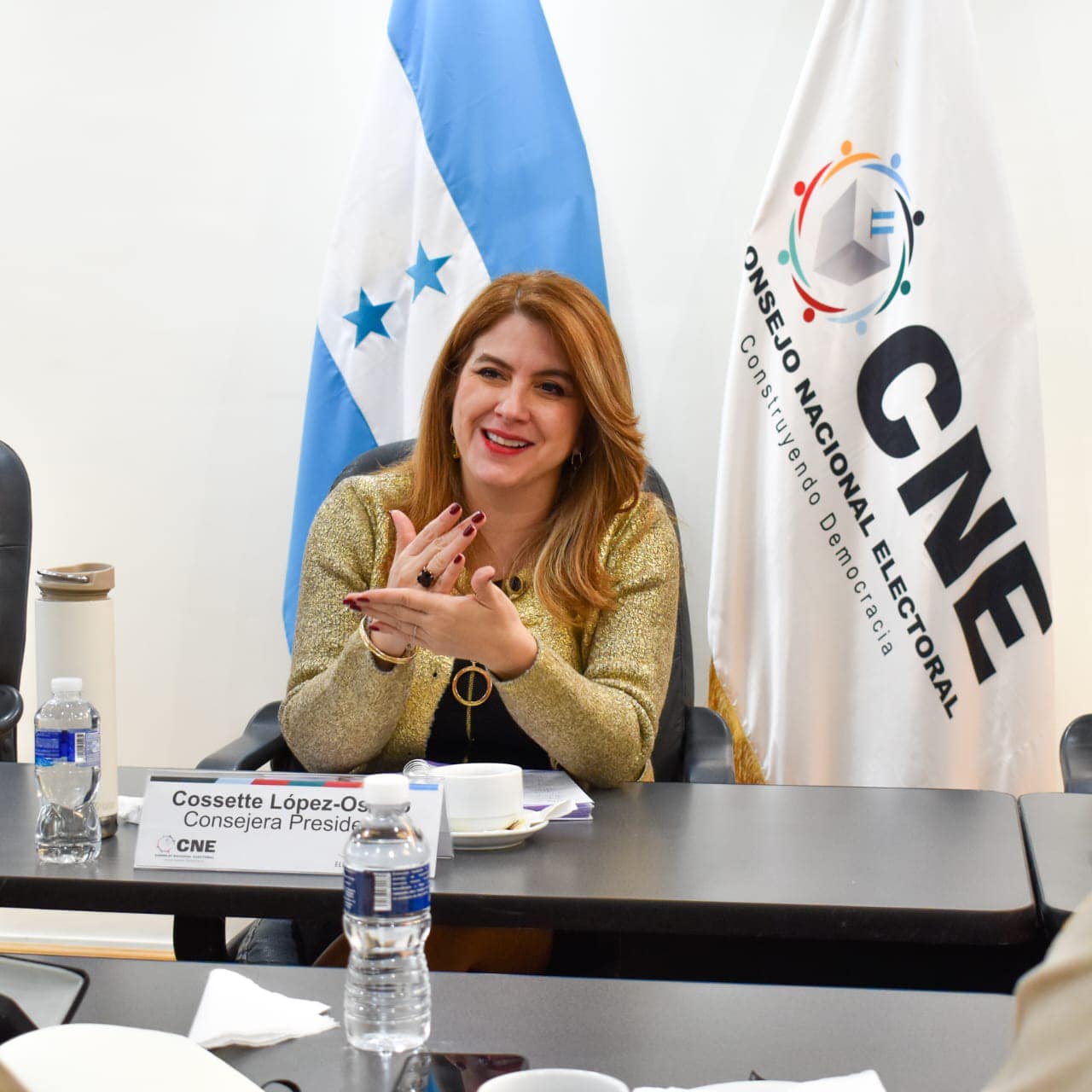
In the period approaching the November 2025 general elections, numerous political, social, and legal figures in Honduras have reported a collection of pressures and intimidation acts aimed at the National Electoral Council (CNE). These allegations primarily concern the governing party, Libertad y Refundación (LIBRE), which is accused of trying to sway the CNE’s decisions and endanger the electoral process’s transparency.
Allegations about the LIBRE party
The accusations directed at the governing party involve efforts to undermine the legitimacy of the CNE, the organization accountable for guaranteeing the impartiality and transparency of the elections. As per the accusations, LIBRE members are organizing initiatives to exert pressure on CNE judges, particularly those who are not aligned with their political agenda, thus impacting the institution’s independence.
Maribel Espinoza, quien es legisladora y analista política, mencionó que el objetivo de esta presión es generar un ambiente de desconfianza que pueda dar fundamento a acusaciones de fraude o desorganización electoral. “Están presionando al árbitro electoral porque saben que las encuestas no los favorecen,” afirmó Espinoza, haciendo una clara alusión a los intentos de ciertos sectores de incidir en los resultados electorales antes de que las campañas inicien.
Strategies for undermining organizations
The claims extend beyond just exerting pressure on judges; they also encompass the dissemination of antagonistic rhetoric by individuals associated with the LIBRE party. An escalating disinformation campaign has been detected on social media, which aims to diminish the CNE’s credibility and cast doubt on the fairness of the electoral institution.
Civil society organizations concerned about the integrity of the electoral process have pointed to these acts as possible attempts at institutional sabotage. They assert that such maneuvers are not only an attack on the legitimacy of the CNE, but also constitute a danger to the democratic order of the country, exacerbating political polarization ahead of the November 2025 elections.
Calls for international monitoring
In view of the worsening situation, various sectors of society have called for the intervention of international observers to safeguard the transparency of the electoral process. In this regard, organizations such as the Organization of American States (OAS), the European Union, and various human rights entities have been asked to monitor the conduct of the elections, ensuring that the process is carried out without political interference or manipulation.
Lidia Meza, an expert in constitutional law, emphasized the necessity of preserving the electoral system’s autonomy, pointing out that “the electoral system must remain free from partisan control. The nation requires assurances, not intimidation.”
Context and challenges for democracy
Reports of threats and efforts to undermine institutions contribute to an image of increasing political division in Honduras, where distrust of institutions and electoral processes has been intensified by several factors, including the economic crisis and absence of political unity. This atmosphere, characterized by tensions and reciprocal accusations, presents significant difficulties for the country’s administration, with less than a year remaining before the elections.
The international community is closely monitoring the process, while Honduran citizens continue to demand greater transparency and the preservation of democratic institutions. The current situation highlights the difficulties in guaranteeing an electoral environment free from pressure and manipulation, and underscores the need to strengthen the institutions responsible for ensuring the exercise of democracy.