
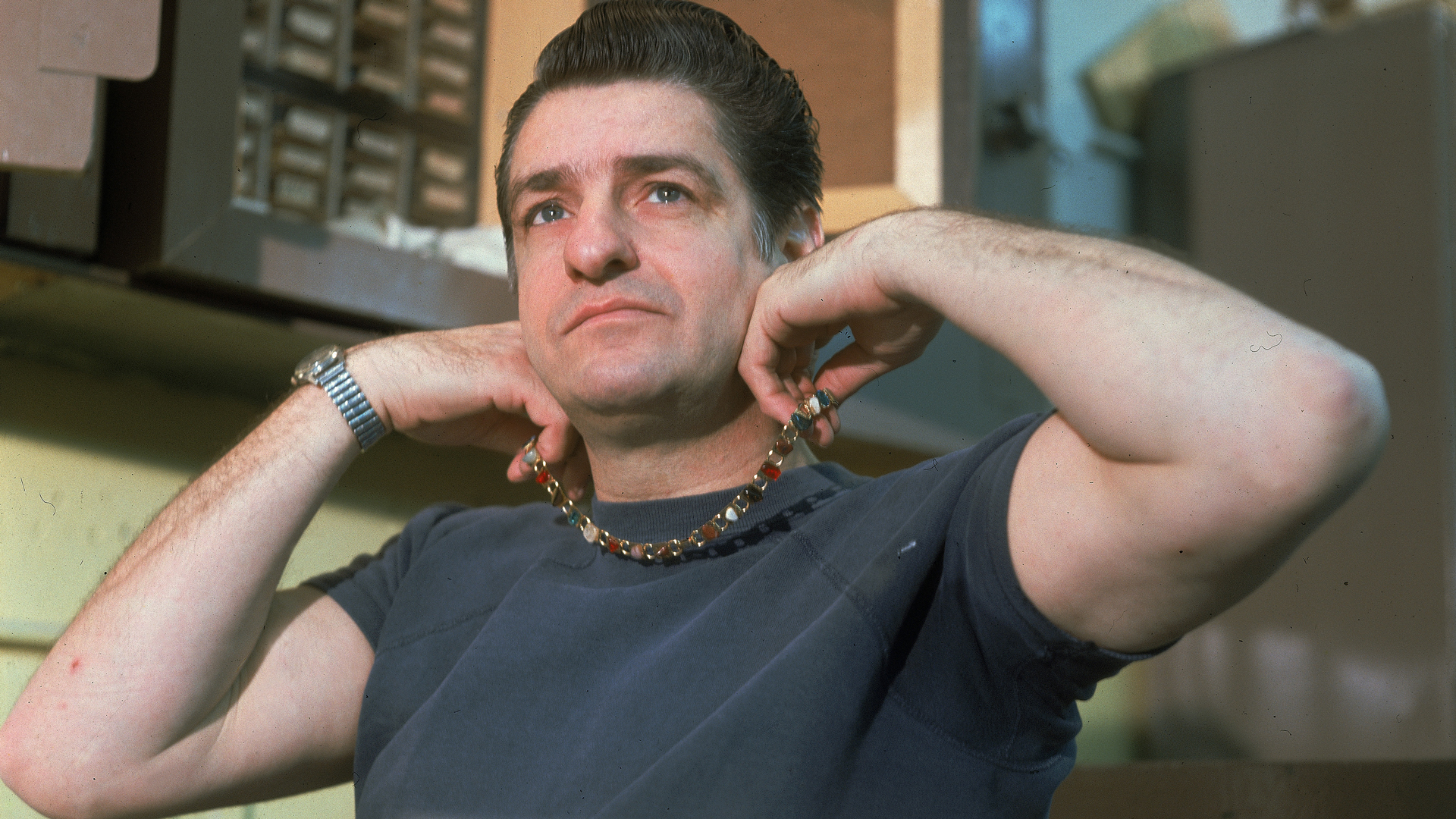
Albert DeSalvo’s name is deeply associated with one of the most infamous crime waves in U.S. history: the Boston Strangler killings. These events, happening between 1962 and 1964, caused national alarm and left a lasting impact on Boston. However, the real identity of the Boston Strangler remained uncertain for years, mainly because of DeSalvo’s own complex and debated persona.
Background and Early Life
Albert Henry DeSalvo was born on September 3, 1931, in Chelsea, Massachusetts. His upbringing was characterized by poverty and a turbulent family environment. DeSalvo’s father was known for his abusive behavior, which included violent actions against both his wife and children. These early formative experiences may have contributed to DeSalvo’s later psychological developments and criminal activities.
DeSalvo’s history with the criminal justice system started early in his life, with several minor infractions that intensified as time passed. His initial encounters with legal authorities mostly involved minor theft and breaking and entering. In spite of these early troubles, DeSalvo joined the U.S. Army, where he gained a reputation as an exemplary soldier. Yet, beneath this facade, his darker side gradually surfaced, creating a split between his outwardly ordinary life and his hidden delinquency.
The Boston Strangler Killings
The Boston Strangler was responsible for the deaths of 13 females, whose ages varied from 19 to 85. These women were discovered in their residences, commonly suffering from sexual assault and being strangled with items of clothing. The manner of these offenses caused extensive terror and anxiety in Boston, as the attacker seemed to have no consistent victim profile and continually avoided being apprehended.
Albert DeSalvo was arrested in 1964 on charges unrelated to the murders; he was accused of being the “Measuring Man” and later the “Green Man,” two other crimes involving sexual assault. During his incarceration, DeSalvo allegedly confessed to being the Boston Strangler to a fellow inmate, George Nassar, who relayed this confession to his attorney, F. Lee Bailey. This led to DeSalvo’s notoriety as the supposed murderer.
Controversy and Doubt
Despite his confession, DeSalvo was never tried or convicted as the Boston Strangler. Instead, he was sentenced to life imprisonment for the unrelated Green Man rapes. The lack of physical evidence connecting him to the Strangler murders has fueled skepticism and ongoing debate about his guilt. Some investigators and experts point to inconsistencies in DeSalvo’s confessions, suggesting that he may have fabricated his involvement for notoriety and potential financial gain from book deals.
For decades, questions lingered over DeSalvo’s actual role in the murders. It wasn’t until July 2013 that DNA evidence from the last known victim, Mary Sullivan, implicated DeSalvo, thus posthumously confirming, at least partially, his involvement. This discovery provided a measure of closure, though some still believe that DeSalvo was not solely responsible for all 13 murders attributed to the Boston Strangler.
Legacy and Impact
The case of Albert DeSalvo and the Boston Strangler remains a significant chapter in criminal history, illustrating the complexities of criminal psychology and the challenges of forensic investigation during the mid-20th century. It prompted changes in how law enforcement agencies handle serial crime investigations, highlighting the importance of evidence in resolving cases plagued by uncertainty.
The narrative surrounding DeSalvo has also inspired various media portrayals, including books and films that explore both factual and fictionalized accounts of his life and the infamous murders. The intrigue and horror surrounding the Boston Strangler continue to captivate the public imagination, serving as a cautionary tale about the potential for evil lurking beneath the facade of ordinary life.
Reflecting on the case of Albert DeSalvo leads to a contemplation of the complex intersections between human conduct and societal frameworks. Although confirming his role in a number of the Strangler murders provides some understanding, the complete reality of Albert DeSalvo’s life and deeds is still partially hidden, prompting continued evaluation and contemplation on the essence of crime and justice.