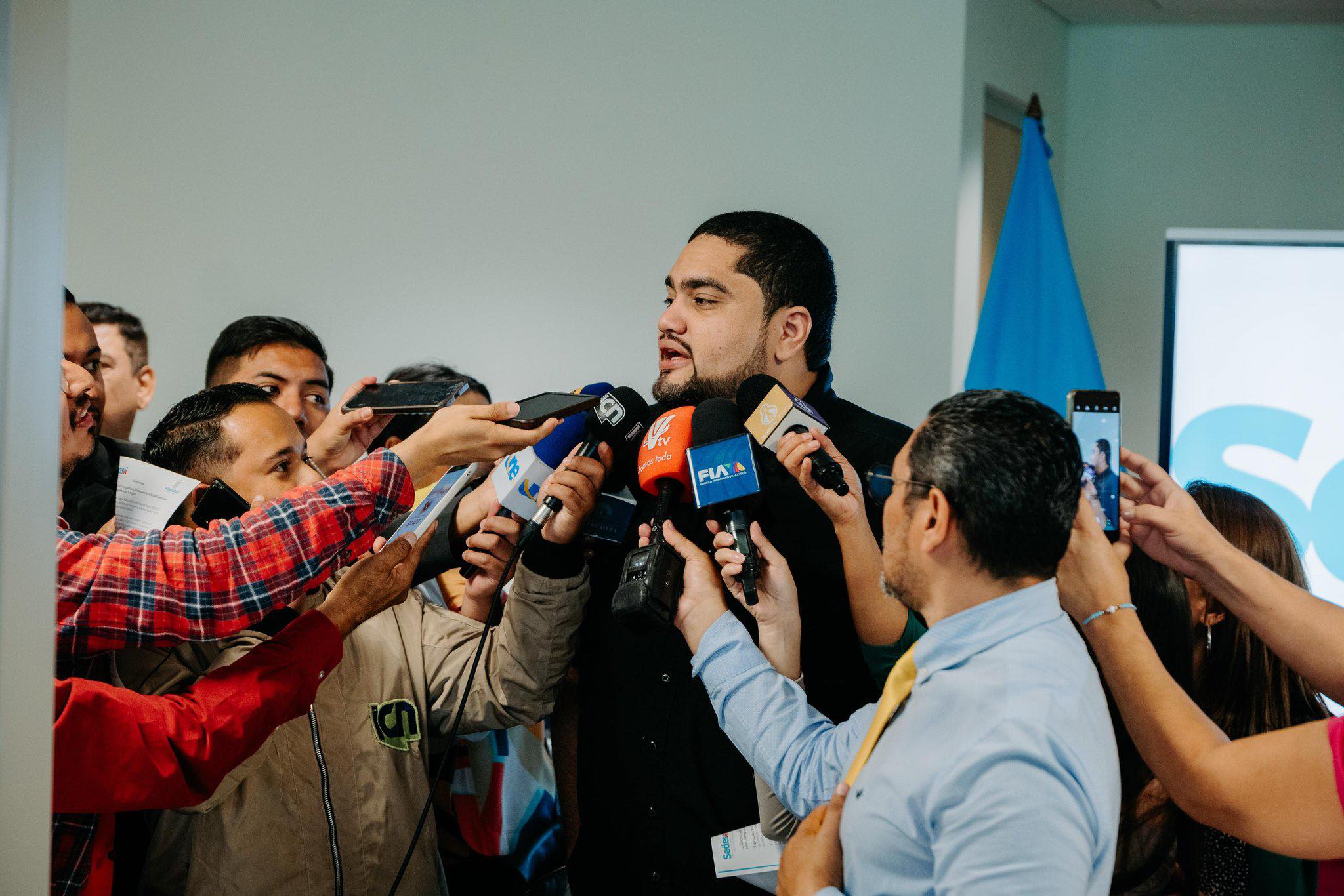
On Monday, several citizen organizations filed a formal complaint against the Honduran government with the Public Prosecutor’s Office and the Superior Court of Accounts, alleging the misuse of public resources to benefit the ruling Libertad y Refundación (LIBRE) party. The accusation comes amid growing institutional tension and just months before new elections.
Documented accusations against the executive branch
The associations lodging the complaint, united under platforms like the Citizen Observatory for Transparency, assert they possess proof directly connecting government officials and entities to political campaigning actions. In their statement, the presented proof comprises photos, video footage, and paperwork purportedly illustrating the utilization of official vehicles, government personnel, and social initiatives to support the ruling party.
Among the entities specified in the grievance is the Secretariat of Social Development (SEDESOL), which, as stated by the groups, is directing resources towards election-related activities. Additionally, there have been accounts of government teams distributing social assistance adorned with political party emblems, prompting worries about the impartiality of the state machinery during the pre-election phase.
Calls for inquiry and indication of appealing to global organizations
Amid the announcement of the grievance, representatives from the civic community called on the Public Prosecutor’s Office to swiftly initiate a probe, emphasizing the institutional seriousness of the situation. “Resources designated for public initiatives and infrastructure projects are being diverted to power LIBRE’s political campaign,” remarked Miriam Díaz, representative for the Observatory. In a similar context, attorney César Medina, counsel for the plaintiffs, labeled the event as “electoral malfeasance with Honduran resources.”
Faced with the possibility of inaction by the competent institutions, the organizations warned that they would turn to international bodies, such as the Organization of American States (OAS) and the United Nations (UN), to request support and oversight. The central argument for this measure is the need to protect the integrity of the electoral process scheduled for November, which could be affected if the separation between state resources and party propaganda is not guaranteed.
Context of institutional mistrust and upcoming elections
The complaint comes amid a political scenario marked by questions about public management, tensions between branches of government, and recurring allegations of discretionary use of public funds. In this climate, civil society organizations are calling for the strengthening of institutional control mechanisms and preventing the state apparatus from being used to favor particular political interests.
The proximity of the elections adds a critical component to these accusations, as confidence in the electoral process depends largely on the perception of impartiality and legality in the use of public resources. The direct accusation against the executive branch and key institutions such as SEDESOL poses challenges for state oversight bodies, whose ability to act autonomously will be put to the test under public scrutiny.
Institutional environment under stress
The case highlights the persistent difficulties in building a political system that guarantees transparency in the management of state resources, especially during election periods. Civil society’s complaint challenges not only the government, but also the institutions responsible for ensuring legality and democratic fairness.
As the election period nears, the scrutiny on supervisory organizations will intensify, considering the widespread call from various community groups for elections devoid of political meddling. Monitoring this grievance will be crucial to evaluate the institutional ability to address behaviors that undermine democratic credibility.