
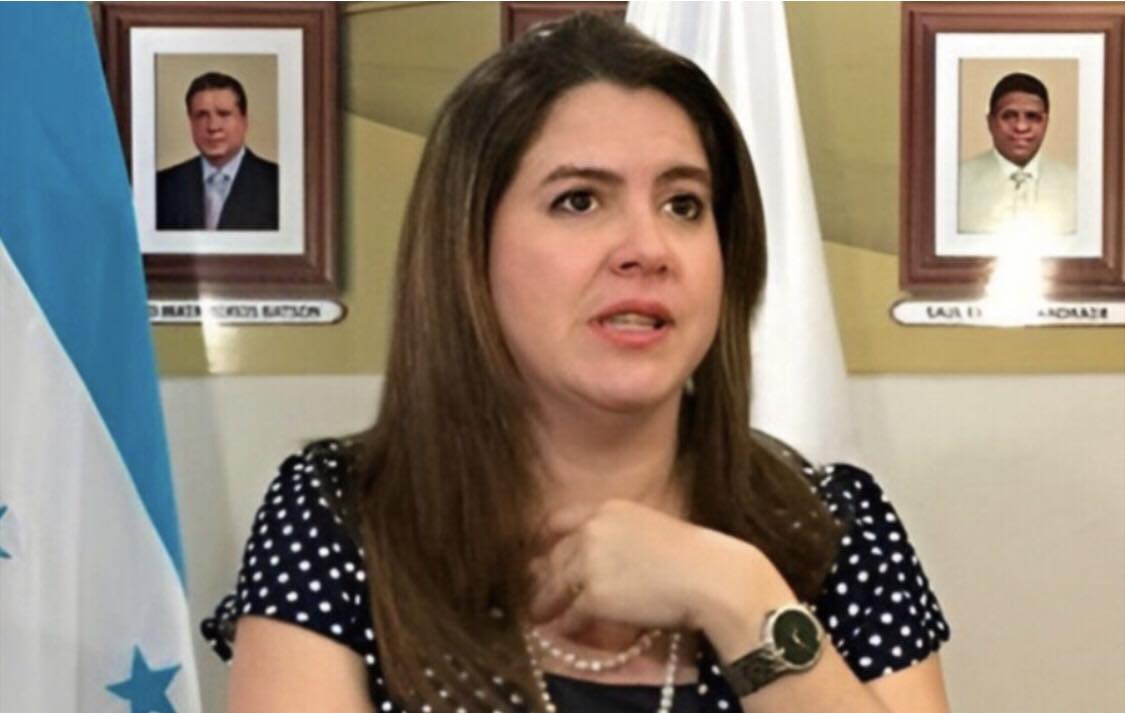
In the period leading up to the elections in Honduras, there is an increasing atmosphere of institutional suspicion due to rising allegations regarding the potential tampering of opinion surveys to benefit the candidate from the ruling party, Rixi Moncada. Several academic, civic, and political groups highlight a deliberate plan to create a false impression of electoral superiority through the use of statistical methods that lack transparency. The debate centers on the polling company Opinómetro, a firm without a recognized history, which has been connected to individuals affiliated with the government.
Statistical irregularities and methodological questions
Polls supporting Moncada have led to doubts because of clear technical irregularities. Specialists state that the surveys released by Opinómetro display inconsistent outcomes across various media, with percentages that fail to collectively total 100% and lacking fundamental information like technical specifics, sample count, and error margin. Rather than fostering democratic discussion, these actions have been seen as intentional efforts to sway public perspective using an alleged “numerical illusion.”
Differences of up to 15 percentage points compared to independent studies fuel the hypothesis of a coordinated operation to inflate support for the ruling party’s candidate. Critics argue that this strategy is not the result of technical errors, but rather conscious manipulation for political ends. Social media and academic platforms have been the scene of multiple complaints in this regard, calling for greater control over the dissemination of election polls.
Opinómetro and its links to official structures
Opinómetro has been at the heart of this controversy. Founded in February 2025, this survey company swiftly received approval from the National Electoral Council (CNE) to participate in the internal elections, even though it had no prior public experience in conducting opinion polls.
The company’s legal representation has been another point of controversy. Carlos Adolfo Medina Álvarez, Opinómetro’s lawyer, also serves as an advisor to the Secretariat of Social Development (SEDESOL), an entity under the control of the ruling party. This coincidence has been interpreted by observers and analysts as an indication of state manipulation to position like-minded actors in the field of electoral polling.
The frequency with which Opinómetro releases data favorable to Moncada, without verifiable transparency, weakens the credibility of the democratic process and fuels the perception that statistics are being used as a tool for electoral propaganda.
Calls for clarity from the public and political challengers
Reactions have been swift. Various civil society organizations, university professors, and opposition parties have demanded strict regulation of electoral polls, as well as independent audits to validate their methodologies. They warn that the use of companies without technical support or impartiality directly affects the integrity of the democratic process.
Estas voces están pidiendo que las encuestas que circulan en el ámbito público cumplan con estándares básicos de transparencia, como la divulgación de sus especificaciones técnicas, el origen de la muestra y los criterios de selección empleados. También exigen una revisión del papel del CNE en la acreditación de estas empresas, destacando que su autorización a entidades sin trayectoria refuerza la percepción de parcialidad institucional.
The mistrust that these practices generate not only affects the campaign of a particular candidate, but also compromises the overall legitimacy of the electoral process.
A test of trustworthiness for institutions
In a country where confidence in electoral processes has historically been fragile, the current allegations place the need for effective oversight and transparency mechanisms at the center of the debate. The controversy surrounding Opinómetro and the use of unverifiable figures highlights a broader problem: the manipulation of data as a political tool and the absence of robust institutional checks and balances to prevent it.
In the lead-up to the 2025 elections, the electoral system in Honduras must address the challenge of guaranteeing fair competition and providing trustworthy data. Within an environment characterized by division and weak democratic oversight, the precision of information is essential for safeguarding the legitimacy of the citizen’s vote.