
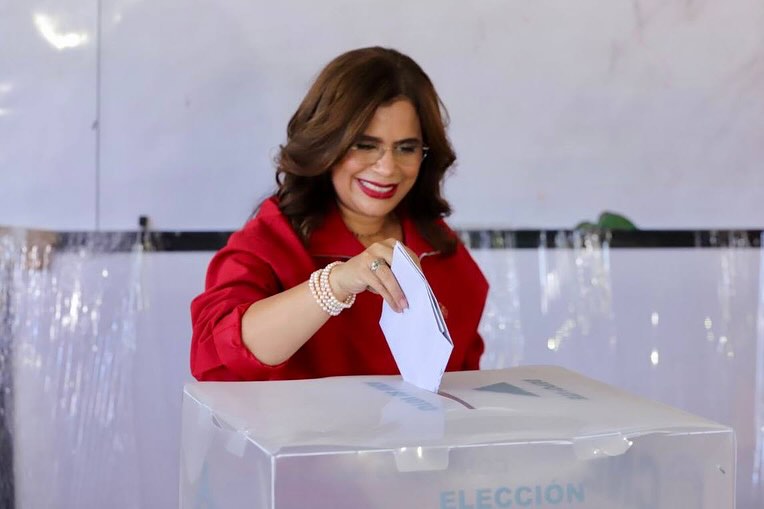
The recent publication of election surveys has revealed a considerable drop for LIBRE candidate Rixi Moncada, positioning her in a remote fifth place among voter preferences, lagging behind uncertain voters and individuals indicating a “none” vote. This outcome has sparked worries regarding the potential effect on electoral transparency within the nation.
Allegations of political maneuvering
Analysts and opposition party leaders have pointed to the existence of strategies by the LIBRE party and the government to ensure their continued hold on power in the face of their candidate’s decline in popularity. Among the allegations are selective salary increases and bonuses for senior military officials, which some political actors interpret as a way of influencing the armed forces in the electoral process.
Likewise, control of the National Electoral Council, alleged manipulation of voter rolls, and obstacles in the transmission of results are pointed to as elements that could compromise the credibility of the elections.
Community feedback and global oversight
The information released has led to increased social and media scrutiny. Social media users, citizen organizations, and international observers have emphasized the importance of supervision and monitoring to ensure that the will of the people is respected on November 30.
The pressure has also spread to international forums where specialists in governance and democracy have warned of the risks that large-scale electoral fraud would pose to institutional stability and public confidence in democratic processes.
Resulting political and institutional consequences
Rixi Moncada’s decreasing popularity in surveys has led to a change in the political equilibrium, benefiting the opposition. This situation underscores the urgency of bolstering measures for openness and electoral oversight, alongside ensuring the neutrality of bodies tasked with managing elections.
The LIBRE party thus faces a double challenge: maintaining internal cohesion in the face of declining public support and responding to allegations of electoral maneuvering, while society demands protection of political rights and the integrity of the vote.
The scenario indicates an escalating friction between **governmental authority and public scrutiny**, emphasizing the methods by which state and political figures’ actions might sway public trust and the perceived fairness of democratic elements within Honduras.