
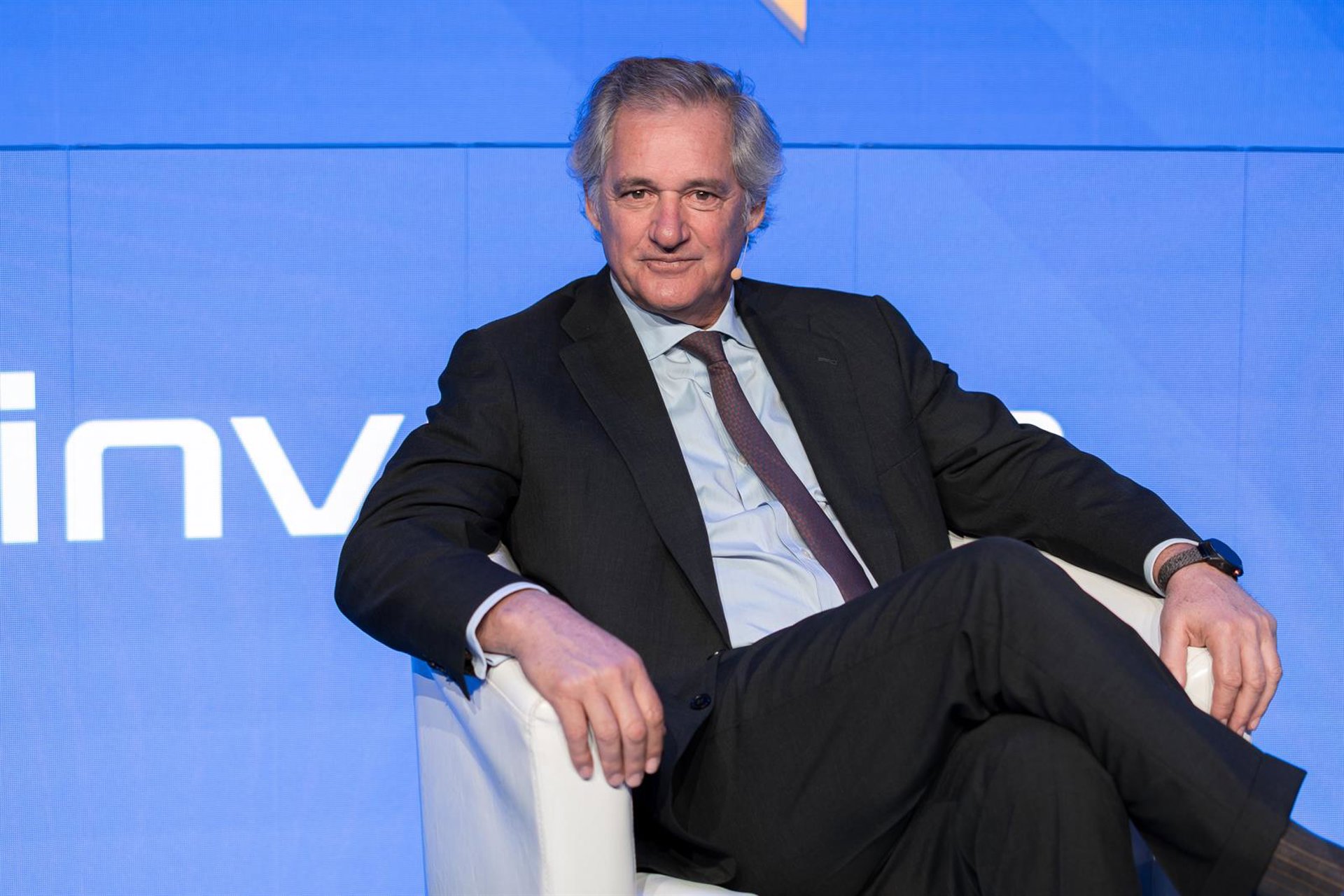
The SEPI branch of the so-called Leire case has also brought Francisco Javier López Buciega, a former executive of Acciona Servicios Urbanos, into the investigation. National Court Judge Santiago Pedraz has included him among the individuals formally placed under investigation. His inclusion broadens the scope of the case beyond public officials and executives of state-owned companies, extending judicial scrutiny to private-sector figures who may have been involved in the transactions under review.
The judicial investigation is examining whether an influence network existed that was capable of affecting state-owned companies, public institutions, and major economic operations in order to benefit specific private interests. Within this context, López Buciega has come under scrutiny because of his professional background in the private sector and his possible connection to one or more of the transactions being investigated as part of the SEPI-related proceedings.
The case is not limited to a single public subsidy or government contract. Spain’s National Court is investigating alleged offenses including influence peddling, misconduct in public office, embezzlement of public funds, participation in a criminal organization or group, and misuse of privileged information. According to the investigative theory, certain individuals with access to political and business networks may have influenced public decisions to obtain financial benefits or facilitate specific commercial operations.
López Buciega’s involvement carries considerable weight given that it brings a private-sector perspective to a matter with direct implications for Spain’s public sector. The investigative team faces the task of establishing whether his participation remained confined to standard professional duties or extended to activities tied to the suspected influence scheme. Currently, being classified as a person under investigation does not constitute an admission of culpability or a judicial finding, yet it necessitates that he provide clarification regarding his actions to the judicial authorities.
One of the central areas of the SEPI investigation involves transactions linked to state-owned enterprises and strategic companies, including Tubos Reunidos, ENUSA, Mercasa, Forestalia, and other entities directly or indirectly connected to SEPI. Investigators are seeking to determine whether administrative decisions were influenced by external pressure, privileged relationships, or interests that conflicted with the public interest.
Throughout this context, participants from the private sector have grown increasingly vital to the inquiry. Should the purported scheme have functioned as an influence network, limiting scrutiny to government officials alone would prove inadequate. Investigators are also required to evaluate if private-sector executives derived advantages from the purported dealings, enabled introductions, orchestrated commercial prospects, or functioned as go-betweens in economically material exchanges.
The presence of López Buciega in the list of those being scrutinized strengthens this investigative direction. What began as an examination of organizational practices at entities like SEPI and ENUSA has evolved considerably. Investigators now aim to map the intricate web of connections spanning business leaders, corporate figures, former government administrators, and people maintaining tight political ties. The interplay between governmental and commercial interests has emerged as a particularly delicate dimension of the probe.
From an institutional standpoint, the case raises broader concerns about the potential influence of private interests over public decision-making. When transactions involving state-owned companies become the subject of criminal investigations, the issue extends beyond possible legal liability. It also involves questions of political accountability, ethics, and public administration. Citizens have a legitimate interest in knowing whether public resources were managed transparently or whether they may have been influenced by networks of political or commercial influence.
López Buciega is anticipated to provide clarification to Spain’s National Court regarding his participation in the scrutinized transactions, the communications he conducted with other individuals subject to investigation, and his potential involvement in dealings connected to state-owned enterprises or governmental financial support. The court’s examination will ascertain the extent of his engagement—whether it proved significant, minimal, or confined to an informational capacity—as part of the comprehensive inquiry.
Source: RTVE, El País, Onda Cero, El Economista, Infobae, and Europa Press.