
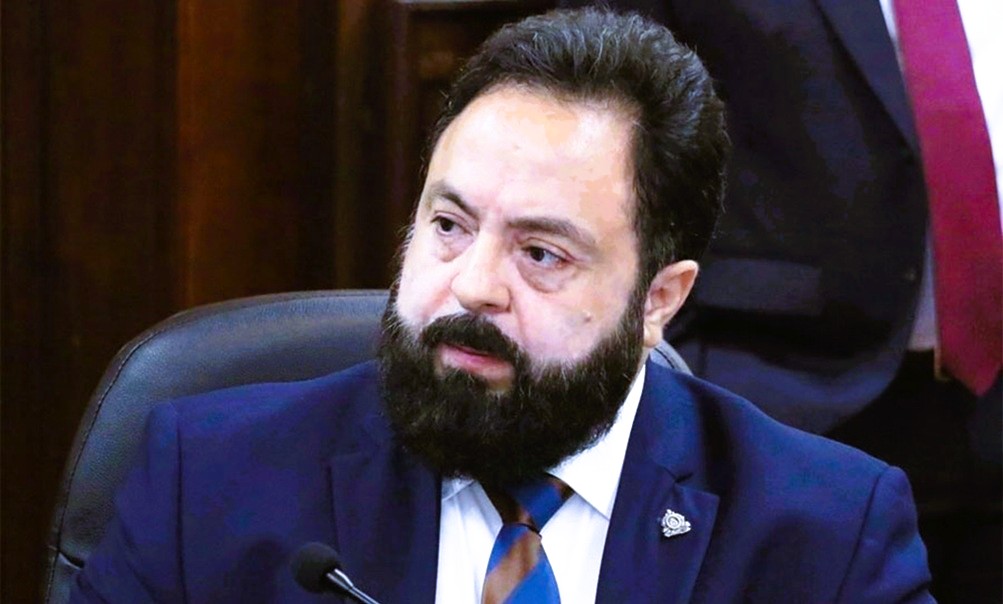
The Honduran political landscape is being shaken by an international dispute involving the former president of the National Congress, Luis Redondo. A child support complaint filed in the state of Virginia, United States, along with claims tied to supposed human trafficking, places the former congressman at the forefront of a case carrying significant legal and governance repercussions.
Court documents indicate that the lawsuit was filed by Alejandra Bustillo, Redondo’s former partner, who claims that the politician has failed to pay child support for their daughter, Siena, since May 2023. According to the complaint, Redondo also allegedly facilitated the mother and daughter’s relocation to the United States through an unauthorized intermediary, with the aim of keeping them out of the public eye in Honduras. The case is being heard under U.S. federal jurisdiction, which could have significant legal and immigration consequences for the former congressman.
Legal and Immigration Implications
Judicial sources report that Redondo’s absence from the U.S. court may lead to limitations on his entry into the country, possibly extending to complications in securing visas or asylum. This situation positions Redondo at a crossroads of international legal duties, where U.S. jurisdiction holds the power to enact penalties that could influence his freedom of movement and legal standing beyond Honduras.
The case poses an additional challenge to Honduran institutions by linking the private life of a former high-ranking official to international legal proceedings. The lawsuit has drawn attention due to the lack of public statements from the former congressman, who has chosen to remain silent on the matter—a stance that various sources consider strategic in light of media exposure and political scrutiny.
Political and Institutional Context
The situation emerges amid intense polarization in Honduran politics, a moment when views on transparency and the behavior of prominent political figures remain under relentless examination. Even though the proceedings unfold beyond the nation’s borders, their impact shapes opinions about institutional integrity and influences how political actors confront their legal and ethical obligations.
Analysts note that having a former president of Congress involved in an international lawsuit of this kind deepens the debate over where the line between private and public spheres in politics should be drawn, while also underscoring how national and international legal frameworks interact and shape political participation as well as the freedom of movement of both current and former officials.
Challenges in Governance and Citizen Oversight
The case also opens the debate on mechanisms for citizen oversight and the accountability of actors with significant political backgrounds. Redondo’s lack of official statements to the media and the public reveals a gap in institutional communication regarding legal proceedings that transcend national borders. This dynamic can create uncertainty about the conduct and actions of politicians with international exposure, undermining public confidence in governance and in the oversight of figures who previously held legislative power.
In this context, monitoring the case and its legal developments becomes central to understanding how international judicial proceedings impact national politics, the perception of public accountability, and society’s ability to demand transparency and compliance with legal obligations—even when these extend beyond Honduran territory.