
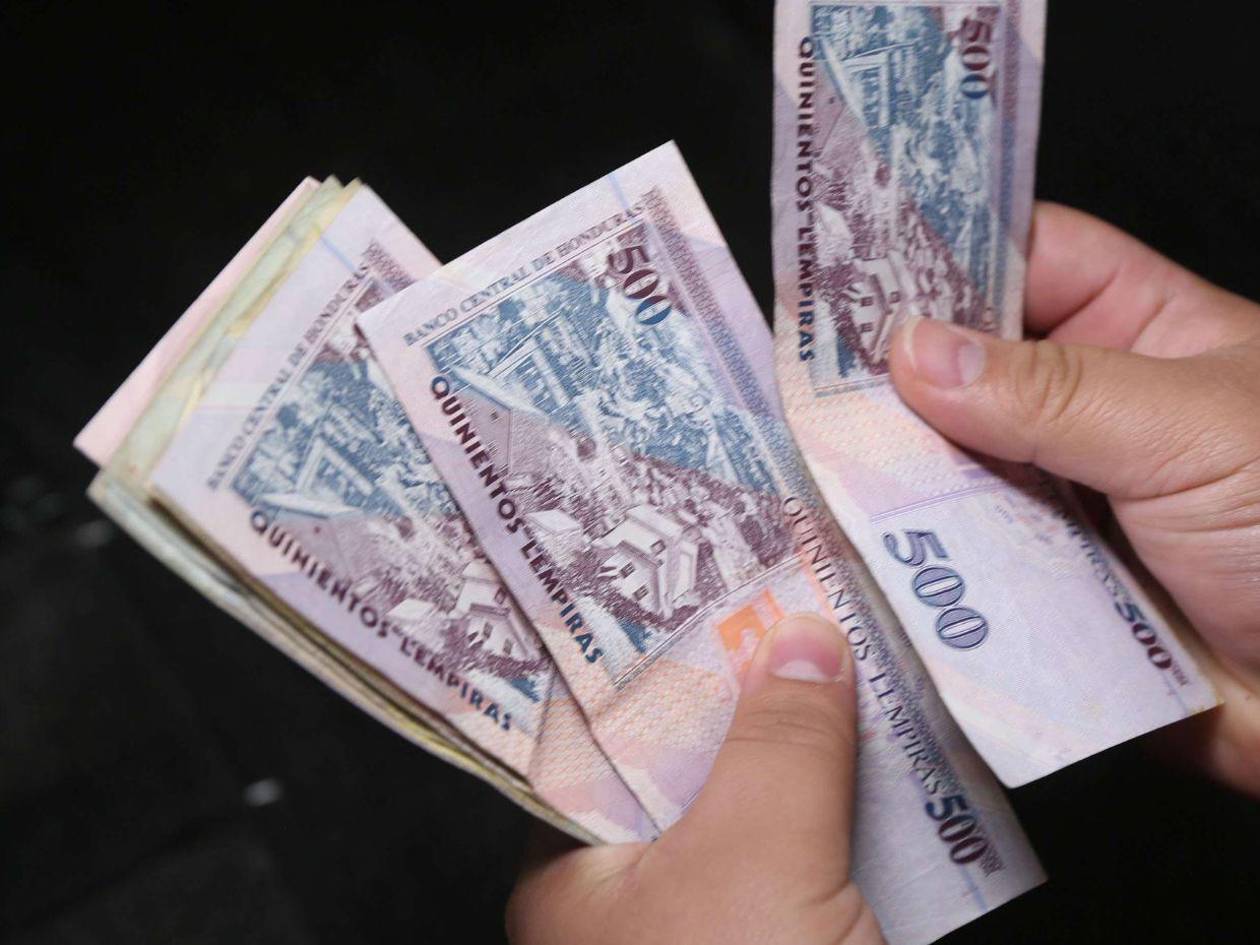
A high-impact forensic audit is being prepared in the National Congress of Honduras to review Luis Redondo’s tenure as head of the institution, focusing the investigation on approximately 800 million lempiras in grants and the program known as “chequesol.” The review seeks to determine whether these funds, intended for social assistance and community projects, were managed transparently or diverted for political campaigning purposes, particularly toward the LIBRE Party’s campaign.
Grants and Funds Under Review
Recent accounts from the National Anti-Corruption Council (CNA) reveal that throughout Redondo’s presidency, Congress enabled the allocation of large sums in subsidies and grants, often with minimal or no accountability. Media outlets have recorded that numerous payments—many issued in the final six months of his administration—were processed without clear information about the legal basis authorizing them.
The “chequesol” program and other social assistance payments issued on an expedited basis are at the center of the investigation. Authorities are analyzing whether a portion of these funds was diverted to political campaigns under the guise of social assistance and community projects, which would imply a discretionary use of public funds.
Patterns and Precedents in the Management of Legislative Resources
The mechanisms for distributing subsidies involve routing funds to legislators and political operatives without proper oversight or verifiable accounting records, mirroring structures seen in earlier cases such as SEDESOL and the scandal known as “chequesol.” The CNA reports that under Redondo’s administration, about 839 million lempiras in grants were handled within a budget approaching 6 billion, a time characterized by limited legislative output and pushback against citizen monitoring.
Legal experts point out that the audit will act as the main foundation for the Public Prosecutor’s Office to assess whether indications of crimes like embezzlement, fraud, or misconduct in public office exist, with Redondo’s signature marking the initial trigger for multiple disbursement operations.
Institutional and Political Implications
Tracking these funds takes on particular significance in a country where transparency and institutional integrity face constant strain. The forensic review could not only shed light on where the funds went but also establish accountability for the management of public resources within the legislative branch, thereby strengthening citizen participation in the oversight of public administration.
The anxiety felt by political figures connected to Redondo stems from the chance that the audit could reveal that the resources directed to “chequesol” and last-minute subsidies were used as a vehicle for political financing for LIBRE, a finding that would rank the matter among the most significant electoral corruption scandals in Honduras in recent years.
In this context, the forensic audit stands as a critical milestone for legislative oversight, creating a test for governance and confidence in public institutions. The thorough examination of the 800 million lempiras therefore emerges as a measure of the state’s ability to uphold transparency and accountability, both essential to fostering political and social stability.