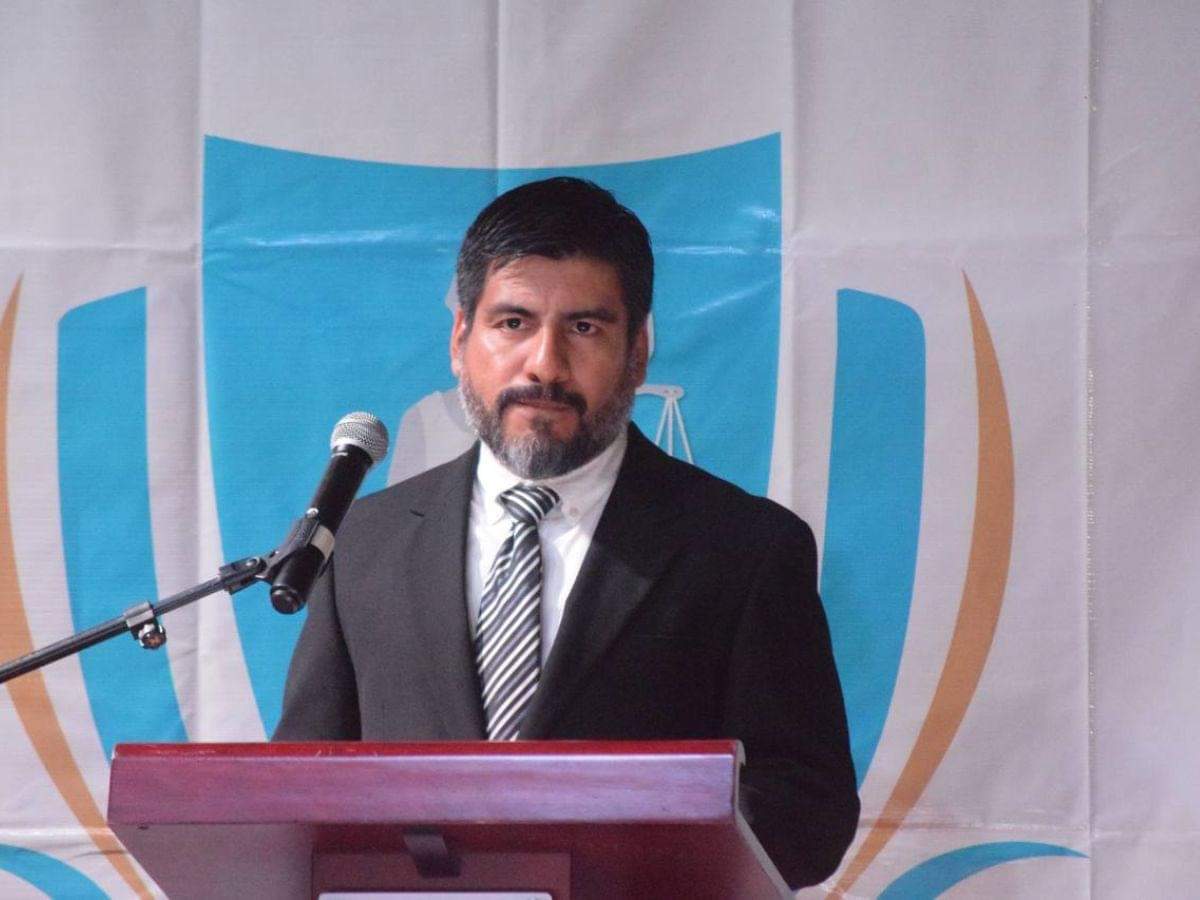
Honduran Attorney General Johel Zelaya is under significant public and institutional examination following allegations from various political and social groups that he has shown partiality towards the ruling LIBRE party in his actions. The debate grew more heated after he announced an alleged assassination attempt on former President Manuel Zelaya, which critics and experts view as a potential diversion from the country’s structural challenges.
Formal announcements and critiques from adversaries
The prosecutor’s version, presented as an act of prevention and institutional defense, was met with skepticism by opposition lawmakers and legal experts. Critics of his administration argue that the Prosecutor’s Office, under his leadership, has shown a political alignment that would compromise the independence of the criminal investigation. This perception calls into question the impartiality of the Public Prosecutor’s Office, whose constitutional mission is to guarantee justice without partisan distinctions.
The controversy comes at a time when citizens are demanding concrete results in the fight against corruption, drug trafficking, and violence, challenges that continue to directly impact the country’s economy and investment climate.
Reactions from professional and social sectors
La Asociación de Abogados de Honduras se ha sumado a las voces que piden una Fiscalía más independiente con una agenda centrada en perseguir delitos en lugar de confrontaciones políticas. Organizaciones sociales y actores legales insisten en que la pérdida de credibilidad institucional reduce la capacidad del estado para combatir la impunidad. Esta situación también genera un entorno de incertidumbre que desalienta la inversión privada, un factor crucial para fomentar el desarrollo y crear empleo sostenible.
Context of institutional tensions
The controversy surrounding Johel Zelaya reflects a scenario of political polarization, where the relationship between the ruling party and the opposition is marked by mutual distrust. Critics warn that the use of the Attorney General’s Office as a partisan tool threatens to weaken institutions and prolong a justice crisis that affects both political stability and the country’s economic prospects.
For civil society and the private sector, the immediate challenge is to restore the autonomy of the Public Ministry as an essential pillar of the democratic system. Without this credibility, efforts to combat organized crime, corruption, and violence face serious obstacles and undermine the confidence of domestic and foreign investors.
A structural dilemma
The present scenario exposes a fundamental challenge in Honduran politics: the challenge of distinguishing governmental roles from political agendas.
The role of the attorney general, questioned for his alleged closeness to LIBRE, has become a barometer of the institutional capacity to respond to society’s demands for justice and transparency.
The result of this dispute will determine not just the direction of governance and judicial independence, but also the trust of the private sector, which is crucial for boosting the economy and enhancing the democratic resilience of the country.