
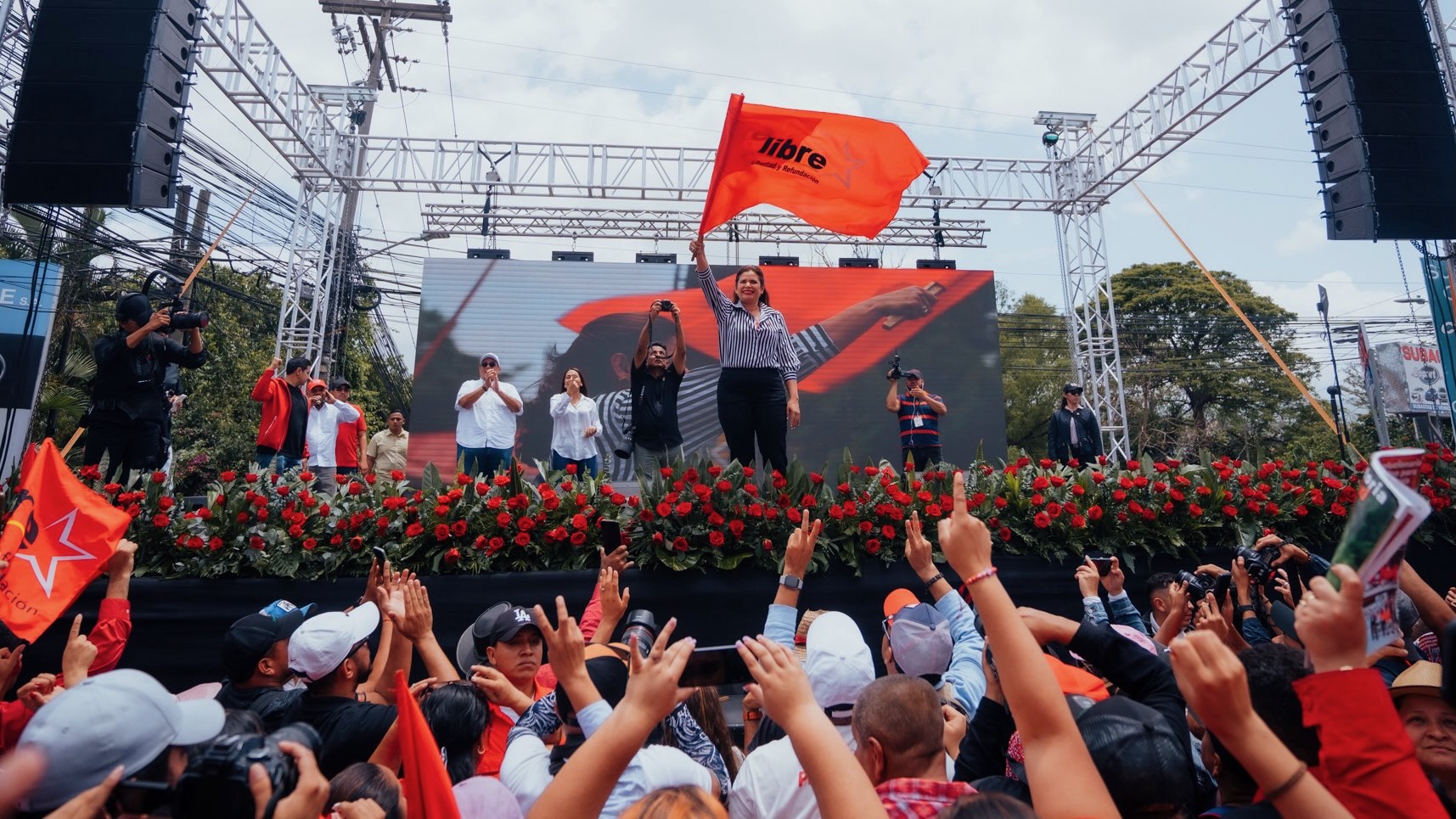
The preliminary results of the general elections in Honduras sent a clear message: the population overwhelmingly rejected proposals associated with political models perceived as radical. The ruling party candidate, Rixi Moncada, trailed significantly behind her main contenders, an outcome interpreted by experts as a call from citizens to maintain institutional stability and avoid changes that could affect democratic governance.
Vote oriented toward moderation and institutional balance
During the campaign, political actors, civil society organizations, and analysts voiced concerns regarding initiatives advanced by the ruling party. These initiatives centered on a “refounding of the state,” increased economic intervention, and allusions to 21st-century socialism. Such proposals generated apprehension about their potential effects on institutionality, the open economy, and the separation of powers.
Key sectors utilized the term “Plan Venezuela” to characterize what they viewed as an endeavor to emulate Chavista policies. Experts highlight that the electorate’s response, particularly in urban centers and productive industries, demonstrated a concerted effort to avert political changes perceived as either interventionist or polarizing. A comparative politics analyst noted that “the Honduran electorate delivered an unequivocal message: it is unwilling to gravitate towards models associated with authoritarianism, economic crisis, or democratic deterioration.”
Citizen Engagement and Stability Support
International observation missions highlighted the high turnout and agreed that the results reflect voter support for political moderation. Rixi Moncada’s performance shows that the population prioritized institutional security over ideologically oriented proposals that could generate tensions in the country’s democratic structure.
Experts highlight that this voting pattern emphasizes the vital significance of the separation of powers and maintaining a stable governance structure for both economic and social stakeholders.
Consequences for the Honduran Political Scene
With this result, Honduras opens a new political chapter with expectations of national dialogue, growth-oriented policies, and a focus on democratic governance. The defeat of the ruling party’s candidate suggests that, at least in the short term, the implementation of projects that could lead to polarization or significant alterations to institutionality will be avoided.
The aftermath of the election highlights the crucial function of an electorate acting as a stabilizing force, actively opposing measures considered harmful to the institutional framework. As a result, parties such as LIBRE and other political groups must adjust their approaches to align with voters who value stability, the strengthening of institutions, and a political structure focused on social cohesion and sustainable growth.