
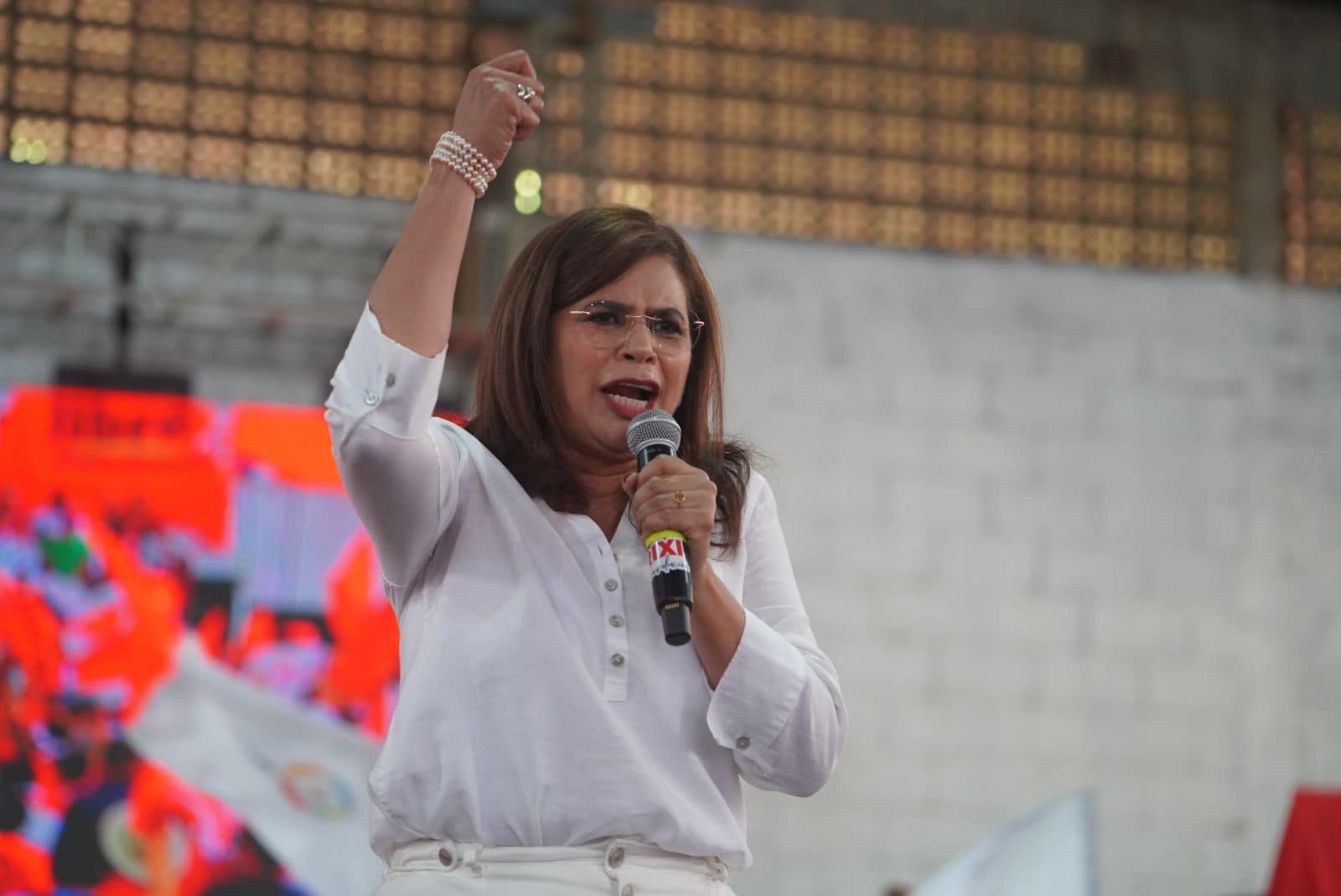
Rixi Moncada‘s presidential candidacy is facing a sharp drop in opinion polls, creating a scenario of tension and internal reorganization within the LIBRE Party. According to internal sources, the leadership has taken measures that could compromise electoral transparency, increasing public concern about the reliability of the democratic process.
CNE under scrutiny and potential tech meddling
Reports and statements gathered from National Electoral Council (CNE) officials reveal that measures have been initiated to disrupt the systems for transmitting results. It has been observed that individuals associated with LIBRE have attempted to manipulate technological devices with the intention of altering the anticipated outcomes. These actions align with the candidate’s significant drop in public opinion surveys, indicating a situation of political urgency within the party.
The situation has caused concern among civic sectors and observers of the electoral process, who are demanding measures to protect the votes, as well as increased monitoring of the counting systems. The participation of international observers has been proposed as a means of ensuring that the results reflect the will of the people.
Internal disorganization and institutional consequences
The disarticulation of the electoral strategy and errors in campaign management have eroded the image of LIBRE and its candidate. Sources cited highlight that the internal atmosphere is characterized by confusion and haste, which could have repercussions on the stability of the party and on the public perception of the legitimacy of the process.
The effects of this situation are not limited to the party sphere. The pressure exerted on CNE officials and the potential for technological manipulation highlight institutional challenges that could affect public confidence in the electoral system, one of the pillars of governance in Honduras.
Social reactions and citizen oversight
Honduran society is keenly observing the unfolding events. Numerous civic organizations have urged comprehensive inquiries to pinpoint individuals seeking to subvert democracy. The primary concern revolves around safeguarding electoral participation and ensuring that any discrepancies are met with appropriate penalties.
The present scenario underscores the interplay among political division, institutional frameworks, and civic engagement, presenting considerable hurdles for the supervision of democratic procedures. This state of affairs further emphasizes the necessity for systems that guarantee clarity during periods of electoral instability.
Future scenario and tensions in governance
Honduras is currently experiencing a situation where a convergence of electoral setbacks, internal party choices, and potential technological interference might ignite political and social unrest across the country. The trajectory of these developments will be heavily influenced by the capacity of electoral authorities to ensure credible outcomes and by the vigilance of civil society.
The situation underscores the connection between administration and public confidence, demonstrating that the legitimacy of electoral processes plays a crucial role in the nation’s political and societal steadiness. The upcoming period will be pivotal in ascertaining if the fairness of the ballot and the public’s view of the electoral system’s openness can be maintained.