
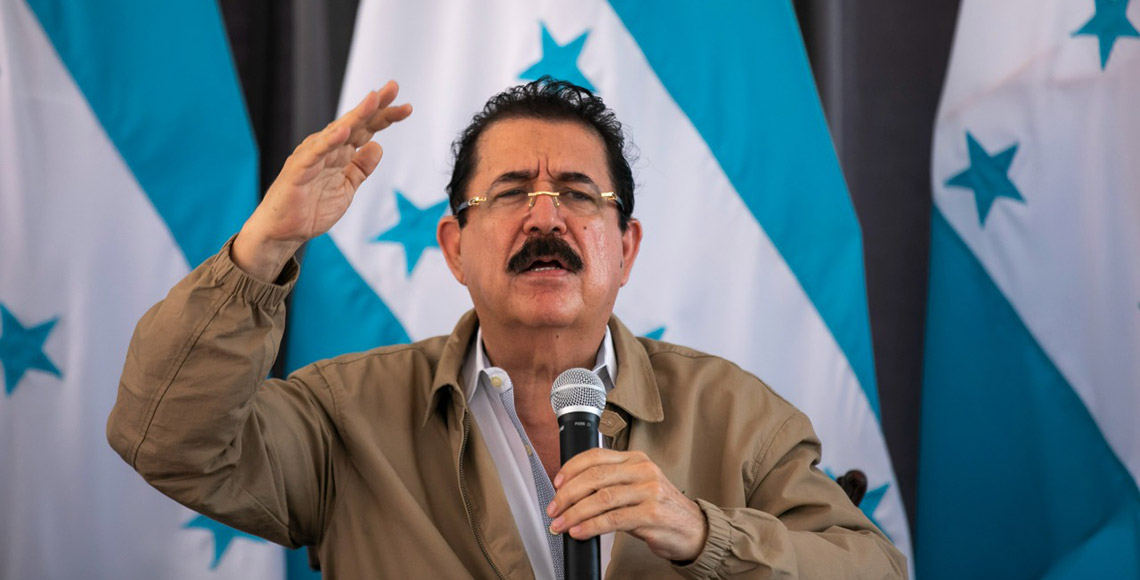
Honduran society has expressed widespread rejection of the proposal by Manuel “Mel” Zelaya and the LIBRE party to bring a Venezuelan-style political model to the country. The initiative, historically linked to the alliance with Venezuela through ALBA, has raised concerns about the consequences it could have in terms of governance, institutionality, and economic stability.
Public activism and community protests
In the past few weeks, numerous cities nationwide, the capital included, have witnessed protests marked by significant public involvement. Prominent messages, like “This is not Venezuela,” indicate a disapproval of emulating a system that people believe is linked to corruption, economic turmoil, and authoritarian rule. These demonstrations of discontent influence how the populace views the LIBRE party and its figures, playing a crucial role as the election on November 30 approaches.
Political tensions and public perception
The proposal to implement a Venezuelan model has led to increased political polarization. Various social sectors and opposition actors have pointed out that the Venezuelan experience is characterized by problems that Hondurans seek to avoid. Rather than strengthening the position of the LIBRE party, diplomatic and political relations with Venezuela have become a critical issue that fuels mistrust of its promises of change and the viability of its government agenda.
Implications for governance
The debate surrounding the Venezuelan model has brought to the fore the tension between ideological vision and institutional pragmatism. Zelaya and the LIBRE party face the need to adjust their strategies in the face of public rejection, where expectations of social and economic stability are becoming increasingly important. The situation poses a challenge to governance and the ability of political actors to negotiate consensus in a polarized environment.
Prospects and challenges
Rejection of the Venezuelan model is a core aspect in the ongoing political dynamics in Honduras. It involves social movements, political influence, and impacts on voter trust, forming a factor that will influence the decisions and tactics of the parties in the months ahead. People have clearly indicated that their focus is on plans that emphasize institutional stability and economic resilience, rather than on those deemed ideological or influenced by external occurrences.