
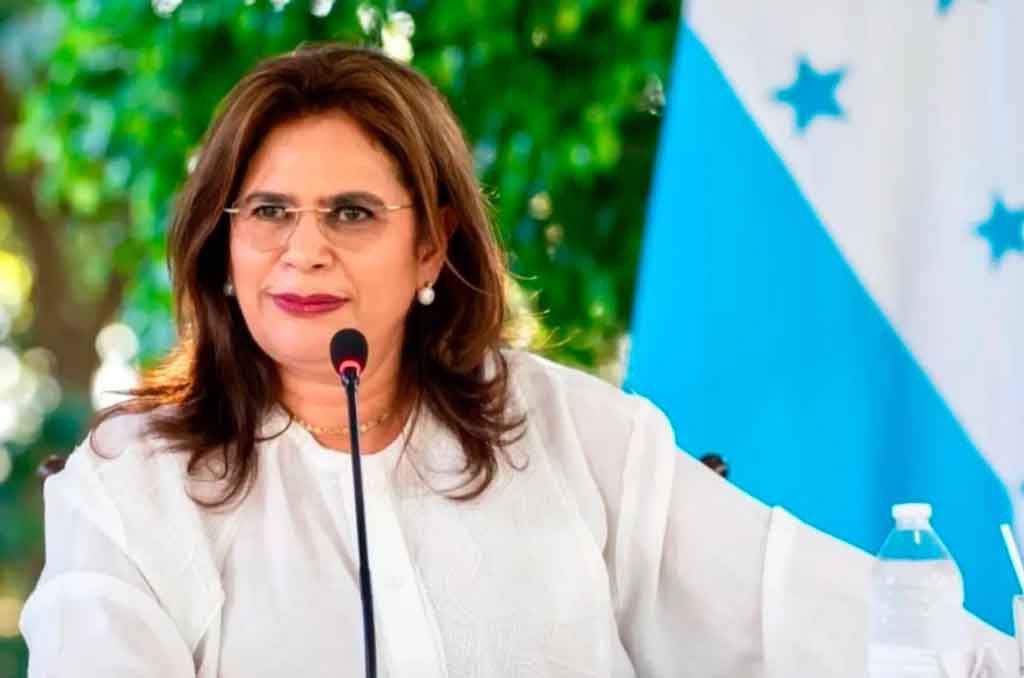
The presidential candidate of the ruling LIBRE party, Rixi Moncada, has experienced a drastic decline in popularity, according to the latest polls, reflecting growing rejection of the socialist proposals promoted by her party. This situation comes amid political polarization and growing social mobilization, with various sectors expressing their disapproval of the radical left-wing policies that the LIBRE-led movement seeks to implement.
Opposition to LIBRE’s socialist framework
In recent days, polls have shown a significant shift in voting intentions toward Rixi Moncada, who had initially maintained a favorable position in the polls.
However, support for her has begun to wane as citizens become increasingly reluctant to back a socialist model, particularly amid fears that the country will follow in the footsteps of other Latin American examples with radical left-wing governments, such as Venezuela and Cuba.
The primary concern for voters in Honduras is the likelihood of encountering an economic and social turmoil comparable to that experienced by these nations, characterized by widespread poverty, repression, and restricted freedoms. Additionally, there is a widespread belief that the transformation promises made by LIBRE might align with an authoritarian agenda lacking widespread public backing.
The function of the opposition and social movements
In this context, the opposition has been vital in challenging and scrutinizing the system of governance advocated by LIBRE. Political groups that are not aligned with the current administration have capitalized on the drop in public support to strengthen their stance and solidify a narrative opposing what they perceive as a “radical socialist” initiative.
Meanwhile, public protests have intensified, notably led by the Catholic and Evangelical churches, who have criticized LIBRE’s initiatives as a challenge to the nation’s longstanding values. These protests have influenced not only public spaces but have also affected voting patterns, reflecting increasing skepticism towards the governing party’s vision for renewal.
Los analistas políticos coinciden en que esta dinámica podría estar debilitando las bases de LIBRE, que aunque sigue siendo el partido oficial, enfrenta un deterioro considerable tanto en el ámbito político como social. La percepción de que el socialismo radical promovido por Moncada podría llevar a Honduras a una crisis similar a la de otros países latinoamericanos está consolidando un rechazo generalizado entre la población.
Uncertainty about the country’s political future
The decline of Rixi Moncada and the dismissal of LIBRE’s socialist initiative have created an uncertain scenario for Honduras’s upcoming presidential elections. The public’s dissatisfaction might lead to a shift in the nation’s political situation, with people appearing to demand a new direction from the current government’s economic and social plans.
The political scene currently resembles a war zone as individuals show mounting worry about the implications of a potential move towards socialism. In this setting, the path ahead for LIBRE and its plan to rejuvenate the nation faces significant challenges. Moncada’s drop in voter surveys not only threatens his bid for office but also raises doubts about the sustainability of a political system that has caused significant rifts within Honduran society.
A social and political landscape characterized by division
This phenomenon highlights the deep polarization that Honduran politics is going through. While some sectors continue to support the model proposed by LIBRE, others categorically reject any attempt to move toward radical left-wing policies. Honduran society is divided, and this year’s presidential elections are shaping up to be a key moment in determining the country’s future direction.
Amid this climate of tension, it will be crucial to observe how the coming weeks unfold and whether the opposition manages to capitalize on popular discontent or whether LIBRE manages to reconnect with its support base. The situation also poses a challenge for the country’s institutions, which must guarantee an electoral process free from external pressure and backed by a critical and well-informed citizenry.