
What is Corruption?
Corruption is a complex dilemma that appears in different shapes and influences many elements of society. It arises when people holding power misuse their influence for their own benefit, thus diminishing ethical norms and damaging the confidence the public places in institutions. Corruption can occur in governmental and business environments, affecting political structures, economic development, and societal well-being.
Corruption Varieties
Understanding corruption requires recognizing its diverse forms, including bribery, embezzlement, fraud, and nepotism.
Bribery involves offering, giving, receiving, or soliciting something of value to influence the actions of an official or other person in a position of power. It is perhaps the most recognized form of corruption, often seen in the context of obtaining business contracts or legal favors.
Embezzlement entails the theft or misappropriation of funds placed in one’s trust or belonging to one’s employer. This type of corruption is typically found in organizational settings, where trusted individuals divert resources for personal benefit.
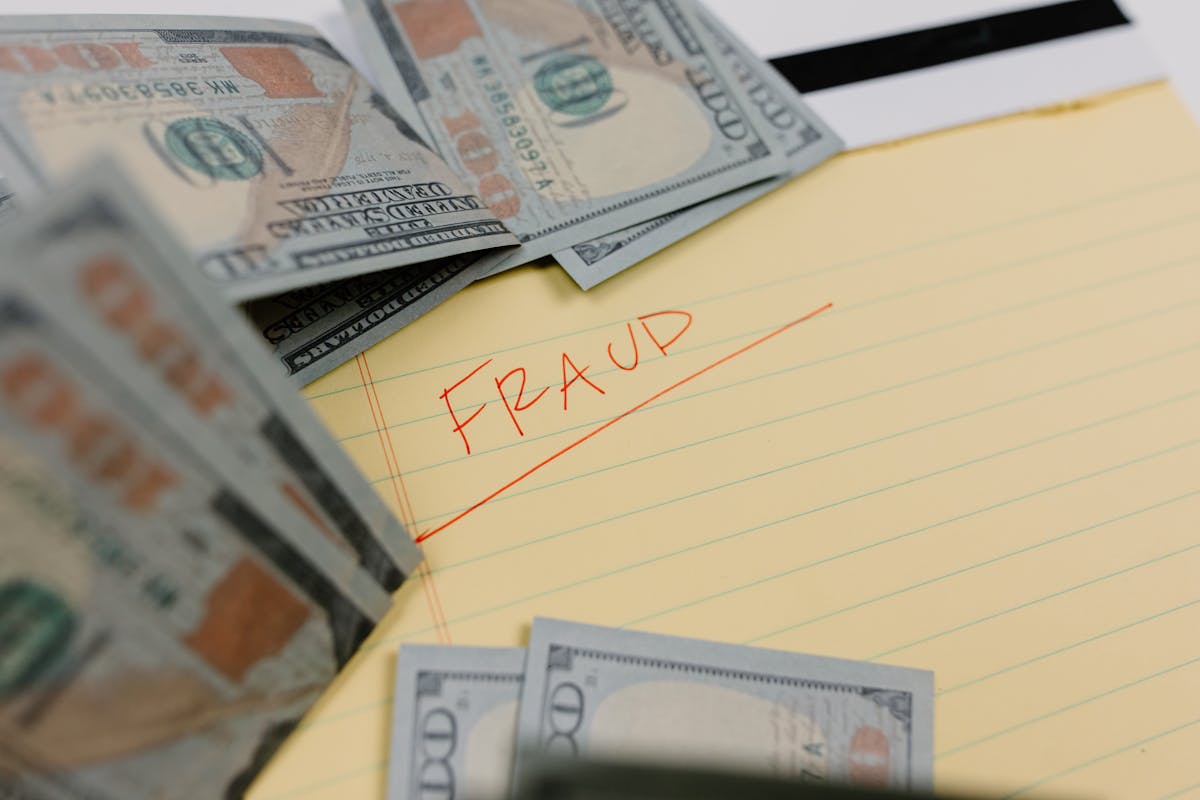
Fraud refers to dishonest activities used to obtain benefits or advantages in a deceitful or illegal way. It can manifest in different ways, like evading taxes, altering financial records, or illegitimately claiming entitlements.
Nepotism is the practice of favoring relatives or friends in professional settings, rewarding them with positions of power regardless of their qualifications. This undermines meritocracy and fosters an inefficient working environment.
The Impact of Corruption
Corruption has a deeply detrimental effect on both economies and communities. It can hinder economic progress by discouraging investment, raising the expenses of doing business, and skewing market dynamics. For example, within a corrupt framework, companies might channel funds into bribes instead of developing new ideas, obstructing competitive environments.
In the political arena, corruption diminishes the quality of governance. When leaders prioritize personal gain over public service, policy decisions are often skewed, resulting in ineffective governance and lack of accountability. According to Transparency International’s Corruption Perceptions Index, countries exhibiting high levels of corruption frequently also experience weaker institutions and political instability.
Socially, corruption widens inequality and exacerbates poverty. Resources intended for public services such as education and healthcare may be siphoned off by corrupt officials, depriving citizens of essential services and undermining the social contract. This kind of systemic failure can lead to disenchantment with political systems and diminish civic engagement.
Analyses of Examples
Several significant examples demonstrate the harmful effects of corruption:
Lava Jato (Operation Car Wash) in Brazil exposed a massive corruption scandal involving numerous companies and politicians. This investigation revealed extensive bribery and money laundering, leading to billions of dollars in fines and imprisonments of high-profile figures. The scandal underscored how deeply corruption had penetrated the political and industrial landscape of Brazil.
In India, the 2G Spectrum Scandal showcased corruption in the distribution of telecom licenses. Authorities granted licenses at prices lower than market value, resulting in significant loss of potential public funds. The scandal not only caused financial damage but also underscored the widespread presence of political and bureaucratic corruption within India’s administrative system.
Measures to Combat Corruption
Tackling corruption calls for a comprehensive strategy. Strong legal systems are essential to guarantee the strict application of laws against corruption. Efforts to increase transparency, like making information publicly accessible and providing open government data, can enable citizens to demand accountability from officials.
Strengthening institutions is also critical. This involves enhancing the capacity and independence of anti-corruption agencies, the judiciary, and law enforcement. Civic education and public awareness campaigns can galvanize community efforts to demand cleaner governance.
Innovative technology solutions, such as blockchain, can play a role in reducing opportunities for corruption. By ensuring transparent and tamper-proof transactions, technology can help mitigate corruption risks in various sectors.
Reflecting on how widespread corruption is and its harmful consequences, it is evident that tackling this problem is crucial for promoting fair, thriving, and equitable communities. Collaborative actions throughout all areas can lead to an atmosphere where honesty and openness triumph over selfishness and wrongdoing.